

The Lexus IS has established itself as a benchmark for driver engagement and reliability in the used luxury car market across the UAE. However, purchasing a pre-owned model in the Emirates requires a granular understanding of how extreme heat and stop-and-go traffic cycles impact specific systems. Unlike temperate climates, the desert environment accelerates component degradation, particularly in the engine, transmission, suspension, and electrical domains. A thorough pre-purchase inspection is not merely a formality but a critical risk assessment tool to uncover latent failures before they become catastrophic. Automotive professionals emphasize that a vehicle that appears mechanically sound at 20 degrees may present entirely different challenges at 45 degrees.
Engine Complications: Oil Dilution and Turbo Health
The 2AR-FE engine, commonly found in the IS250 and IS350, is generally reliable, yet it exhibits a specific weakness in high-temperature environments: oil dilution. This phenomenon occurs when unburned fuel vaporizes and condenses inside the crankcase, lowering the oil's viscosity. The intense heat of the UAE climate exacerbates this issue during idle periods, such as in traffic jams. Over time, diluted oil fails to lubricate internal components properly, leading to increased wear on camshafts and bearings. Inspectors must check the oil dipstick for a frothy or milky appearance, which indicates coolant contamination, or a smell of gasoline, which suggests fuel dilution.
Another critical area is the turbocharger's ability to handle thermal loads. The exhaust gas temperatures in the IS surpass those in temperate regions, putting immense stress on the turbo seals and heat shields. A visual inspection should look for oil residue around the oil feed lines or the turbo discharge pipe. During the road test, listen for any hissing sounds that might indicate a boost leak, which compromises engine performance and fuel economy. Ignoring these early signs of turbo degradation often results in complete turbo failure, rendering the vehicle undriveable.
Transmission Glitches: The A760E Shudder
The A760E six-speed automatic transmission installed in the IS250/350 is prone to a specific fault known as torque converter shudder. This manifests as a violent vibration transmitted through the steering wheel and seats when accelerating from a stop or cruising in higher gears. In the UAE, the frequency of low-speed maneuvers combined with the heat-soaked transmission fluid makes this issue prevalent. The shudder is often caused by fluid breakdown or a misaligned valve body, which can severely damage the transmission if left unaddressed. It is not merely an annoyance; it is a precursor to complete transmission slippage.
Inspectors must evaluate the transmission fluid condition during the inspection process. The fluid should be bright red and smell sweet; if it appears dark brown, black, or smells burnt, the transmission has likely suffered severe overheating. The inspection includes a rigorous Road Test to detect shifts that are too firm, too soft, or delayed. A failing transmission will eventually cause the Check Engine Light to illuminate, triggering a check engine code that requires an OBD scan to diagnose accurately. The cost of neglecting a transmission shudder is not a monetary repair bill alone, but the complete loss of vehicle functionality and resale value.
Suspension Degradation Under Desert Conditions
The suspension system on a used Lexus IS takes a relentless beating from the diverse terrain of the UAE, ranging from smooth highways to rough city streets. The primary culprit in aging suspensions is the degradation of polyurethane bushings, which harden and crack under prolonged exposure to UV radiation and extreme temperatures. This rigidity transmits excessive vibration and noise into the cabin, diminishing ride comfort. Furthermore, the shock absorbers are subjected to constant thermal expansion cycles. When the seals inside the shocks dry out due to heat, fluid leaks occur, reducing the vehicle's ability to control body roll and stopping distance.
Uneven tire wear is often the first visual indicator of suspension failure. Inspectors check the tire manufacturing year and tread depth to determine if the wear pattern suggests misalignment or worn suspension components like control arms or sway bars. A vehicle with compromised suspension will handle poorly during emergency maneuvers and increase braking distances. Addressing worn suspension parts is essential for maintaining the vehicle's handling characteristics and ensuring safety, particularly when navigating the potholes and speed bumps common in UAE urban centers.
Electrical and Climate Control Failures
The electrical architecture of the Lexus IS is sophisticated, integrating body control modules that manage everything from lighting to climate control. In the UAE climate, the climate control system operates at maximum capacity for the majority of the year, placing a heavy load on the AC compressor and the ECU. Over time, the refrigerant levels drop, and the compressor clutch bearings wear out. A failing AC system not only renders the cabin uncomfortable but also places additional strain on the engine, as it can no longer efficiently dissipate heat.
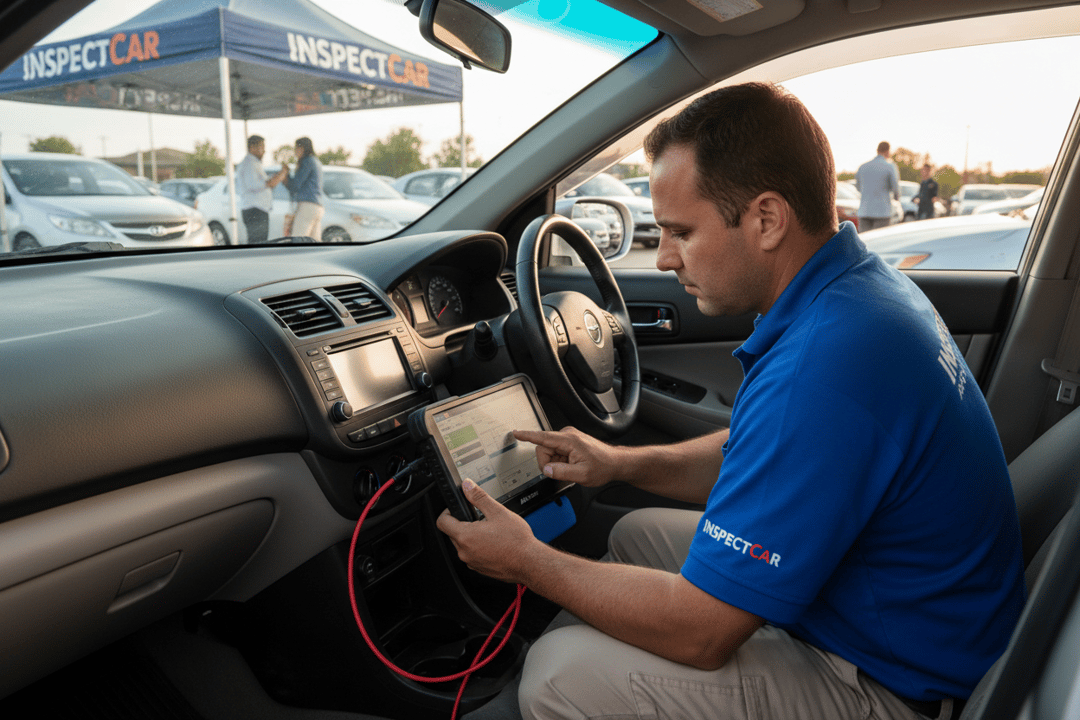
Electrical gremlins frequently appear in the form of intermittent sensor failures, particularly involving the throttle position sensor or the mass air flow sensor. These faults can cause the engine to stall unexpectedly or run roughly. Because these symptoms are often intermittent, they are difficult to diagnose without professional computer diagnostics. An OBD scan retrieves hidden error codes that point to specific electrical faults, allowing for a targeted repair rather than a parts-swapping guessing game. The complexity of the wiring harness in the fuse box area also makes it susceptible to corrosion from humidity, which can disrupt the vehicle's communication network.
The Value of a Comprehensive Inspection
Identifying the aforementioned issues requires a systematic approach to vehicle evaluation. A professional inspection goes beyond a casual glance to verify the integrity of critical systems. For example, checking the body and computer condition involves a panel-by-panel assessment to identify accident damage or repainted areas that might hide structural concerns. The frame rails and pillars must be inspected for alignment, as even a slight bend can affect suspension geometry and safety.
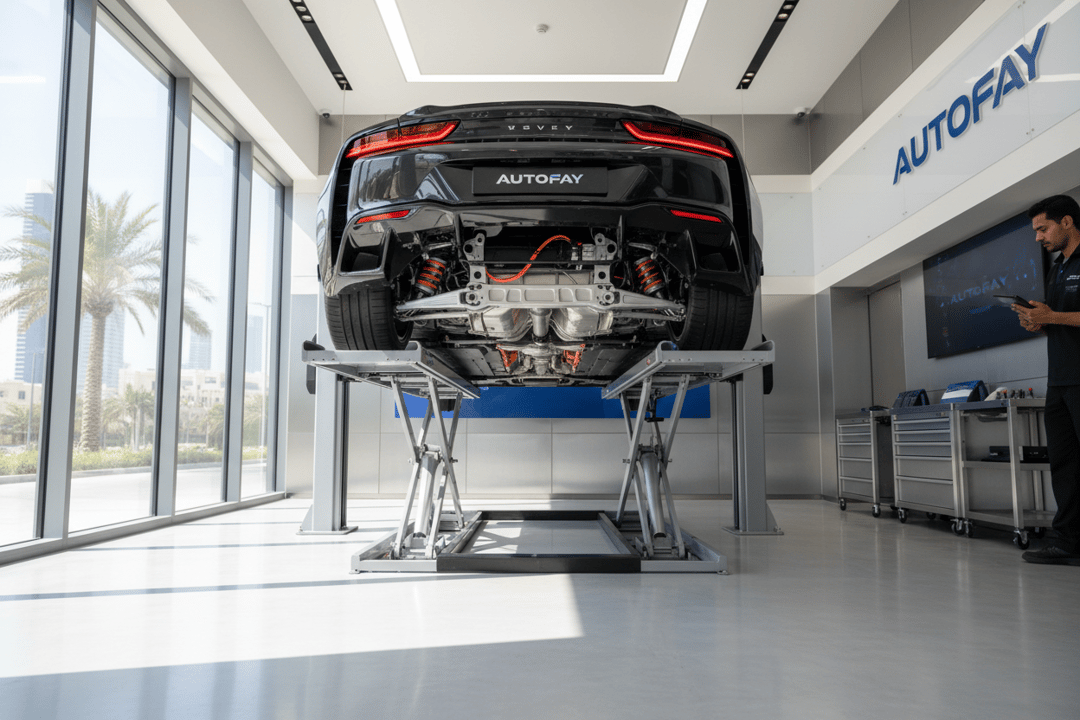
Utilizing a certified on-location inspection service like AutoFay provides a detailed roadmap of the vehicle's health. Their process encompasses over 410+ checkpoints across 25 categories, ensuring no aspect of the car is overlooked. The service includes a computer diagnostic scan to read engine, transmission, ABS, and airbag codes, which is essential for uncovering hidden electronic faults. By comparing the vehicle's current condition against the high standards of a Lexus, a buyer can avoid acquiring a vehicle with deferred maintenance.
| Inspection Package | Key Services Included | Focus Areas |
|---|---|---|
| Computer Diagnostic | OBD Scan (Engine/Trans/ABS/Airbag) | Hidden electronic faults and error codes |
| Body & Computer | Panel-by-Panel Paint Check | Originality, accident damage, and electronic health |
| Comprehensive | Full Road Test & Fluid Check | Performance, braking, suspension, and mechanical integrity |
AutoFay inspects 410+ checkpoints with HD photos and PDF report. Book at autofay.ae or call +971542584458.


0 Comments
No comments yet. Be the first to share your thoughts!