

The Land Rover Velar occupies a unique niche in the UAE market. It offers the luxury and prestige of the Range Rover badge with a sleek, coupe-like silhouette that appeals to buyers seeking performance without excessive size. However, beneath the stylish bodywork lies a complex matrix of electronic and mechanical systems that can present significant challenges on the used market. A pre-purchase inspection is not merely a formality; it is a critical step to validate the vehicle's condition. Without a professional assessment, a buyer risks inheriting costly repairs that far exceed the vehicle's market value.
The Complexity of the Velar: Why Inspection is Non-Negotiable
The Velar relies on a sophisticated network of sensors, cameras, and computers to function. Unlike older vehicles where a mechanic could diagnose issues by listening to the engine, the Velar often requires computer diagnostics to uncover hidden faults. A single faulty sensor can trigger a cascade of warning lights, rendering advanced safety features inactive. This electronic dependency means that a visual inspection is rarely sufficient. A professional inspection service must look beyond the surface to ensure the vehicle's software is stable and the hardware is responsive.
When purchasing a high-end SUV like the Velar, the risk of "surprise" repairs is high. Issues such as software glitches, sensor recalibration needs, or minor oil leaks can escalate into major failures if ignored. Engaging a professional inspection service ensures these issues are documented before you hand over payment. The inspection process acts as a filter, separating well-maintained examples from potential lemons that require immediate investment.
The Diagnostic Engine and Electrical Systems
The capable Ingenium petrol engine is the heart of the Velar, but it demands strict adherence to maintenance schedules. Inspectors must verify the oil life indicator and check the dipstick for oil quality. Dark, sludgy oil suggests neglect, which can lead to sludge buildup and catastrophic engine failure. During the road test, listen for unusual ticking noises from the valvetrain or any hesitation during acceleration, as these can indicate internal wear.
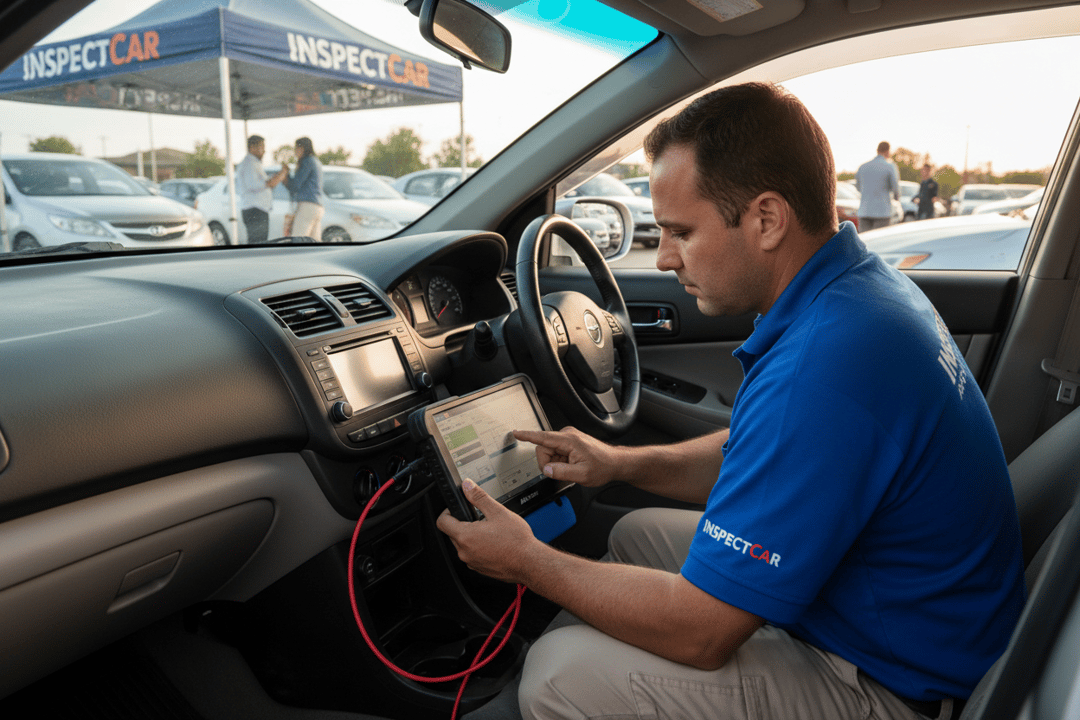
Electrical faults are the Velar's most notorious characteristic. The infotainment system, advanced driver-assistance systems (ADAS), and connectivity modules are frequent points of failure. A proper inspection includes an on-board diagnostics (OBD) scan to retrieve error codes. These codes can reveal faults in the throttle body, sensors, or stability control systems that the naked eye cannot see.
- Malfunctioning parking sensors or camera feeds.
- Unresponsive touchscreen interfaces.
- Adaptive cruise control deactivation due to sensor misalignment.
- Steering wheel vibration not related to tire balance.
For a comprehensive look at these systems, a Computer Diagnostic service is recommended. This check identifies engine, transmission, ABS, and airbag codes. If you require a deeper analysis of both the engine and body electronics, the Body & Computer package provides a detailed overview of the car's electronic health status.
Suspension, Brakes, and Road Test Dynamics
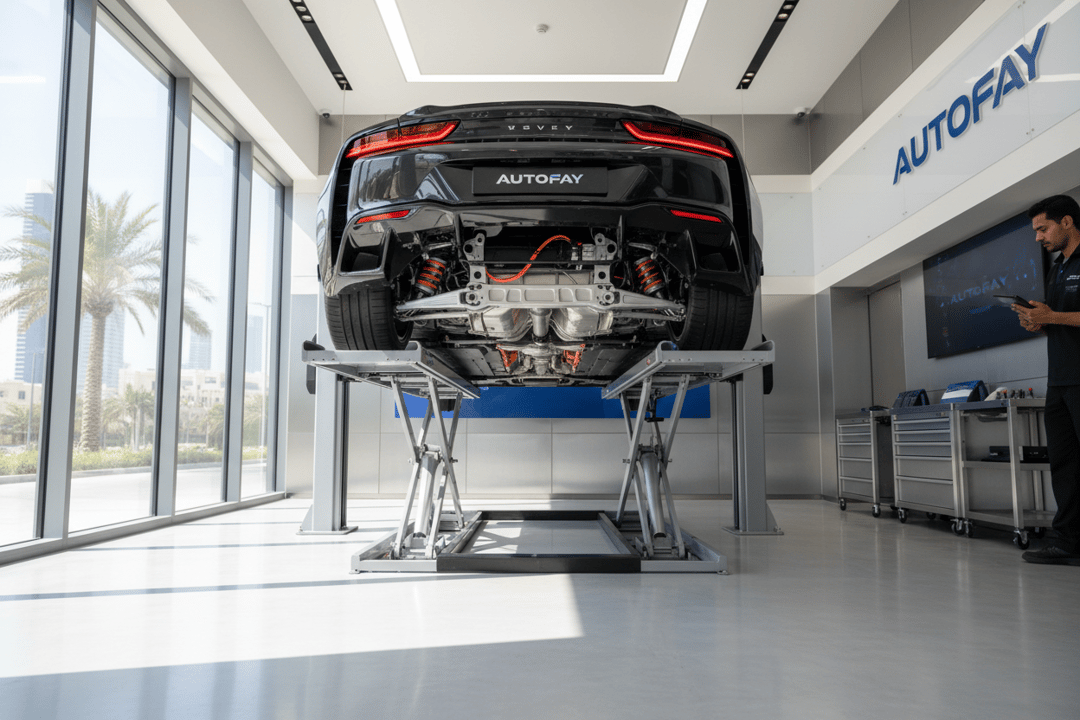
The Velar sits low to the ground, requiring a robust suspension setup to maintain stability at high speeds. Inspectors will scrutinize the suspension arms, bushings, and shock absorbers. Worn components often produce a clunking sound over bumps or cause the vehicle to drift when braking. If the vehicle is equipped with air suspension, inspectors must check for leaks at the struts or air lines, as a failure here can result in a sagging rear axle and a hefty repair bill.
Brake performance is equally critical. The Velar utilizes large ceramic composite brakes on higher trims, which are expensive to replace. Inspectors check the brake pad thickness and rotor condition. A brake pad percentage rating that is too low indicates imminent replacement, which is a safety hazard and an added cost.
The road test is the final phase of verification. A experienced inspector will drive the vehicle to evaluate acceleration, braking distance, and noise levels. Vibration through the steering wheel or brake pedal usually points to warped rotors or tire alignment issues. Noise from the wheel bearings or differential at high speeds suggests internal drivetrain damage.
Bodywork, Paint, and Structural Integrity
Because the Velar features a mix of aluminum and steel panels, collision repair can be complex and expensive. Aluminum repairs require specialized machinery that may not be available at all body shops. An inspector must look for signs of panel replacement or misaligned gaps between doors and the hood. Overspray on rubber weather stripping or mismatched paint codes are dead giveaways of previous accidents.
Structural integrity is paramount. The frame, pillars, and floor pan must be assessed for signs of corrosion or collision damage. A damaged frame can compromise the airbag deployment and the structural safety of the vehicle. Inspectors look for "weld marks" that don't match factory standards or uneven panel gaps that suggest the car has been in an impact.
Surface rust is another common issue in the UAE, particularly along the door sills and wheel arches. If rust has eaten through to the metal, it compromises the structural strength of the vehicle. The inspection must confirm that all body panels are original and that repairs have been performed to a high standard.
Inspection Packages and Checkpoints
To ensure no aspect of the vehicle is overlooked, a thorough inspection must cover a wide range of systems. Based on the specific needs of the buyer, various inspection packages are available. These packages cover everything from fluid levels to the overall structural health of the chassis.
| Package | Price | Key Focus |
|---|---|---|
| Computer Diagnostic | AED 99 | Engine, Transmission, ABS, Airbag codes |
| Body & Computer | AED 250 | Paint analysis, Body condition, Electrical systems |
| Comprehensive | AED 299 | 25 categories, 410+ checkpoints, Frame, Fluids, Tires |
Each of these packages relies on the expertise of a experienced inspector who examines specific categories. These include Fluids (checking engine oil, coolant, and transmission fluid levels and condition), Tires (verifying manufacturing dates and tread depth), and the Frame (assessing rails and floor pan integrity).
Red Flags Specific to the Velar
When reviewing a used Velar, certain red flags should trigger immediate concern. The first is coolant contamination. The Ingenium engine is susceptible to water pump gasket failures, which can cause coolant to mix with oil. This condition usually results in a foamy substance on the dipstick and can destroy the engine if not addressed immediately. A musty smell in the cabin or mud in the fuse box indicates potential flood damage, which is almost irreversible in modern vehicles.
Another critical red flag is a history of software hacking or unauthorized firmware updates. The Velar's complex software can be manipulated, but unauthorized changes can lead to erratic behavior of the transmission or stability control systems. Finally, a vehicle with a history of multiple airbag deployments or seatbelt tensioner failures may have been involved in severe collisions, compromising the safety cage.
A professional inspection provides the documentation needed to negotiate the price or walk away from a vehicle. It reveals the true condition of the vehicle, separating reality from the seller's marketing claims.
AutoFay inspects 410+ checkpoints with HD photos and PDF report. Book at autofay.ae or call +971542584458


0 Comments
No comments yet. Be the first to share your thoughts!