

The Land Rover Range Rover commands respect on UAE roads through its blend of luxury and off-road capability. However, the sophisticated engineering that defines this vehicle also creates unique maintenance challenges for buyers. A pre-purchase inspection reveals hidden faults that a visual appraisal cannot detect. This guide outlines the specific areas inspectors examine to ensure the vehicle’s condition matches the seller’s description.
The Mechanical Achilles Heel: Common Range Rover Issues
The Range Rover relies on an abundance of electronic modules to operate its complex systems. In the UAE climate, the consequences of neglecting these electronics can be severe and immediate. The air suspension system, which maintains the vehicle’s ride height, is particularly prone to failure.
When air struts or compressors fail, the vehicle loses its ability to level the suspension, resulting in a sagging rear end. This not only alters the vehicle’s aesthetics but also affects the speedometer accuracy and handling stability. Furthermore, the cooling system is often overwhelmed by the engine’s output, leading to overheating. Overheating can permanently warp cylinder heads or damage the head gasket, rendering the engine inoperable.
Electrical gremlins are equally common, often manifesting as erratic dashboard warnings or inoperative power features. These issues stem from water ingress or corroded connectors within the complex wiring harness. Ignoring these symptoms accelerates component degradation and increases the cost of eventual repairs.
What Inspectors Actually Look For: The AutoFay Checklist
A professional inspection covers 410+ checkpoints across 25 distinct categories. An inspector evaluates the vehicle from bumper to bumper to assess its true structural and mechanical state. The following process ensures no detail is overlooked during the evaluation.
- Body & Paint: Inspectors perform a panel-by-panel analysis to distinguish between original factory finish and repaired areas. They check for clear coat variations, color mismatches, and signs of previous panel beating.
- Frame & Structure: The condition of the chassis rails, pillars, and floor pan is critical to determine if the vehicle has been involved in a collision. Structural damage compromises the vehicle’s safety and resale value.
- Engine & Drivetrain: Mechanics listen for abnormal noises like knocking or ticking, which indicate bearing wear. They inspect engine mounts for excessive vibration and check for smoke from the exhaust, which reveals combustion issues.
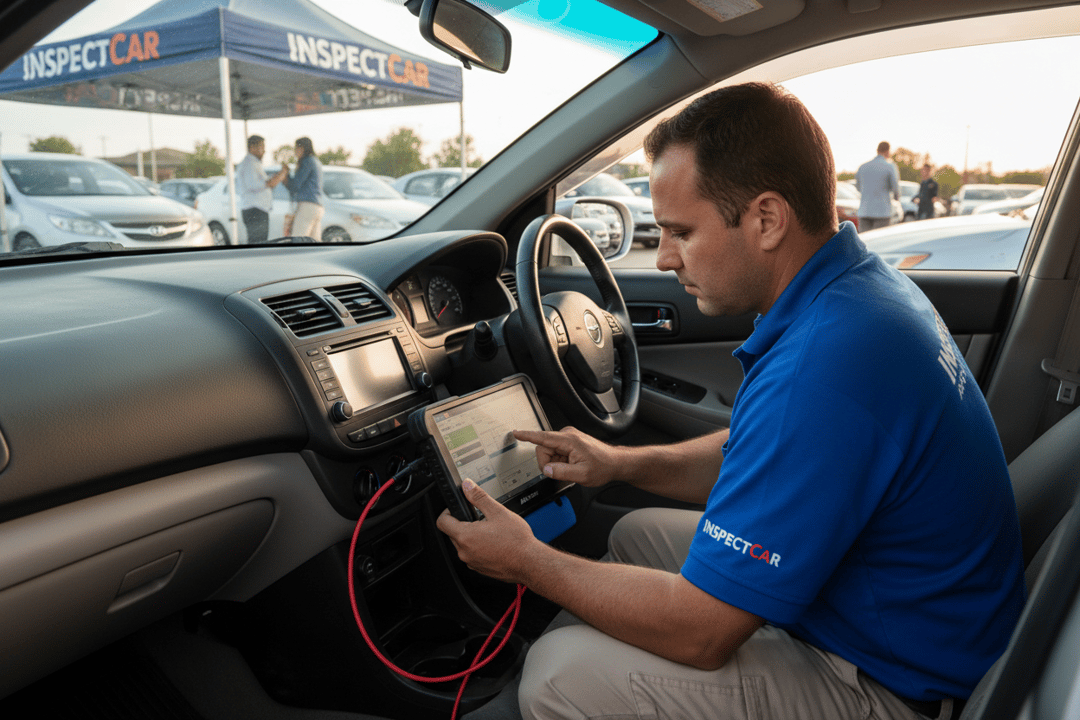
- OBD Scanning: A diagnostic plug provides access to the vehicle's internal computer. Inspectors read Engine, Transmission, ABS, and Airbag codes to uncover hidden faults that are not visible during a physical test.
- Braking System: Brake pads are rated by percentage to determine remaining life. Inspectors also check the rotor condition and brake fluid quality to ensure the stopping distance is safe.
- Suspension & Steering: Leaking dampers, worn ball joints, and loose tie-rods are identified to prevent loss of control over rough terrain or highways.
- Tires & Wheels: Inspectors verify the manufacturing date on tires to ensure they have not been sitting on a shelf for years, which causes dry rot. They also check tread depth and alignment wear patterns.
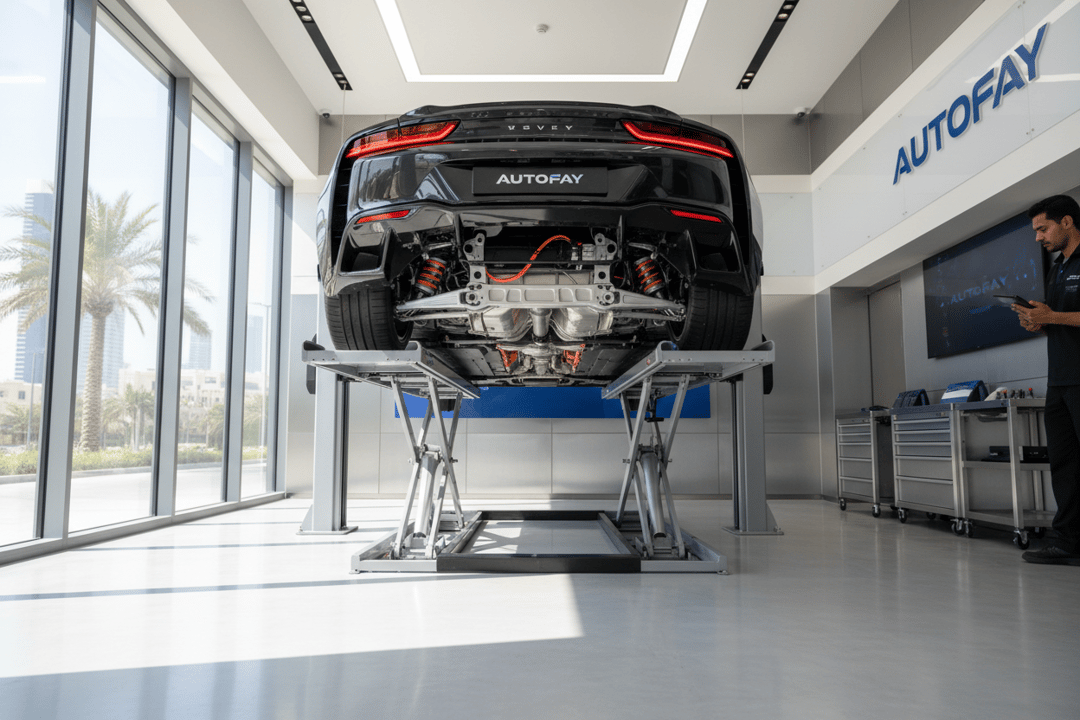
- Fluids & Undercarriage: The condition of engine oil, coolant, and transmission fluid is assessed for color and consistency. An undercarriage sweep checks for oil leaks and damaged exhaust components.
- Road Test: The final phase involves driving the vehicle to test acceleration, braking response, and ride smoothness. Inspectors listen for wind noise, suspension clunking, and transmission hesitation.
Red Flags Specific to the Range Rover
Some warning signs are particularly relevant to high-end luxury vehicles and require immediate attention. A history of heavy modification can introduce reliability issues that standard maintenance cannot solve. Look for mismatched VIN numbers on chassis components, which indicates theft or illicit repairs.
Water damage is a severe red flag for this model, as water tends to collect in the electronics located under the driver’s seat. Signs include a musty smell, mold in the upholstery, or corrosion on electronic connectors. Additionally, a service light that remains illuminated despite resets suggests the owner has ignored routine maintenance schedules.
- Check the driver’s side carpet for signs of water intrusion or mold growth.
- Inspect the air suspension struts for oil leakage, which indicates internal seal failure.
- Test all electronic windows, sunroofs, and seats to ensure the wiring harness is intact.
- Verify that the vehicle’s mileage matches the service history provided by the seller.
- Listen for a "rattle" or "clunk" over bumps, which often points to worn suspension links.
Choosing the Right Inspection Package
Investing in a professional inspection prevents the financial burden of unforeseen repairs. AutoFay provides three comprehensive packages tailored to different levels of scrutiny. Selecting the appropriate package ensures the buyer receives the necessary detail to make a sound purchase decision.
| Package Name | Price (AED) | Key Inclusions |
|---|---|---|
| Computer Diagnostic | 99 | Engine and transmission fault code scanning. |
| Body & Computer | 250 | Panel-by-panel body check plus diagnostic scan. |
| Comprehensive | 399 | Full 25-category inspection with HD photos and PDF report. |
A Comprehensive AED 299 package is highly recommended for the Range Rover due to its complexity. This option provides a holistic view of the vehicle's health, covering everything from the frame to the road dynamics. Inspector comes to the vehicle is available across all seven Emirates, bringing the inspection directly to the buyer.
AutoFay inspects 410+ checkpoints with HD photos and PDF report. Book at autofay.ae or call +971542584458.


0 Comments
No comments yet. Be the first to share your thoughts!