

The Land Rover Discovery has long been celebrated for its combination of luxury, utility, and off-road prowess. However, purchasing a used Discovery in the UAE market requires a higher degree of scrutiny than standard vehicles. The complex electrical architecture and heavy-duty drivetrain components mean that hidden mechanical failures can quickly turn a luxury acquisition into a financial burden. A professional pre-purchase inspection is not merely a suggestion; it is a mandatory step in the buying process to ensure the vehicle’s condition matches its iconic status.
The Critical Role of a Professional Pre-Purchase Inspection
Unlike a casual glance over the hood, a professional inspection covers thousands of mechanical and structural variables. The Land Rover Discovery presents unique challenges, particularly regarding chassis integrity and electronic control systems. Without a comprehensive evaluation, buyers may overlook corrosion in the wheel arches or compromised suspension geometry that affects ride quality and safety. Engaging a licensed inspection service provides an objective third-party analysis, separating the capable vehicles from those requiring immediate, expensive intervention.
Engine and Transmission Diagnostics: The Heart of the Beast
The Discovery’s engine and transmission are robust but intricate. Inspectors focus heavily on oil condition, as oil consumption is a known area of concern in various Discovery models. Dark, gritty oil or excessive oil levels in the engine bay can indicate burning issues or compromised seals. During the visual inspection, technicians listen for abnormal noises—such as ticking or knocking—which could point to turbocharger wear or bearing failure.
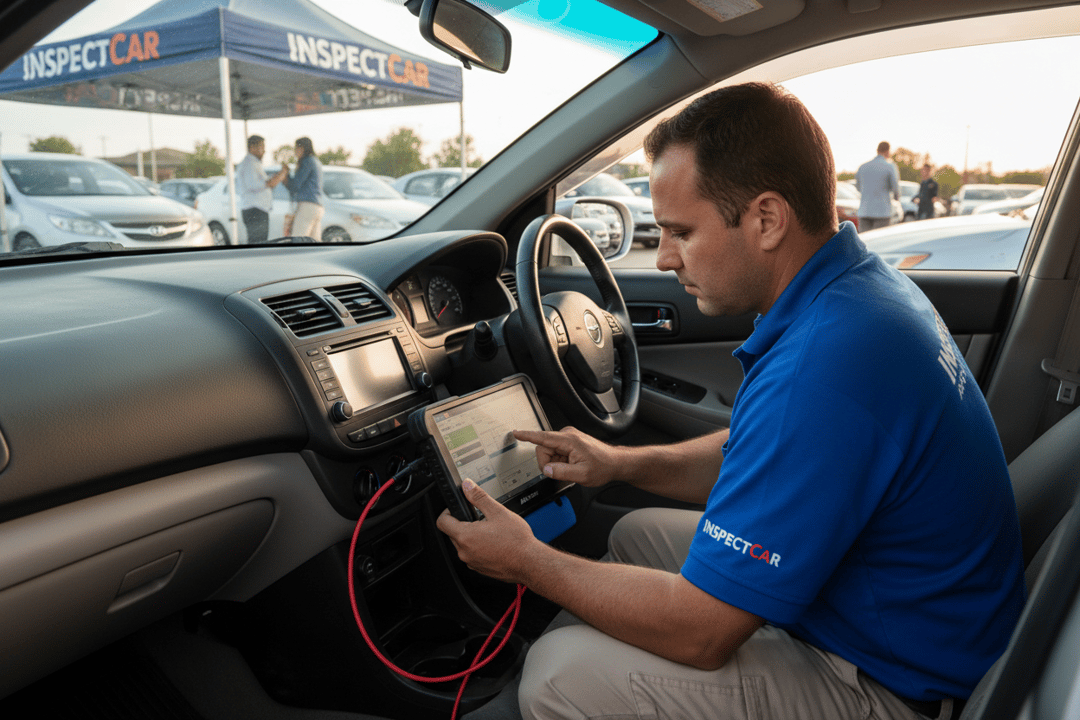
The transmission is equally critical. A smooth gear shift is indicative of a healthy transmission, while hesitation or harsh clunking during shifts often signals worn clutches or failing solenoids. Modern Land Rovers rely on computer algorithms to manage these powertrains, making an OBD (On-Board Diagnostics) scan essential. An OBD scan reveals stored fault codes related to the engine, transmission, ABS, and airbag systems that a visual inspection cannot detect.
Body Integrity and Chassis Assessment
Structural health is paramount for a vehicle of this size. Inspectors conduct a panel-by-panel analysis to determine if panels have been replaced after accidents or repainted. Original paint texture and color matching are strong indicators of a well-maintained vehicle, whereas overspray or mismatched panel gaps suggest prior repairs.
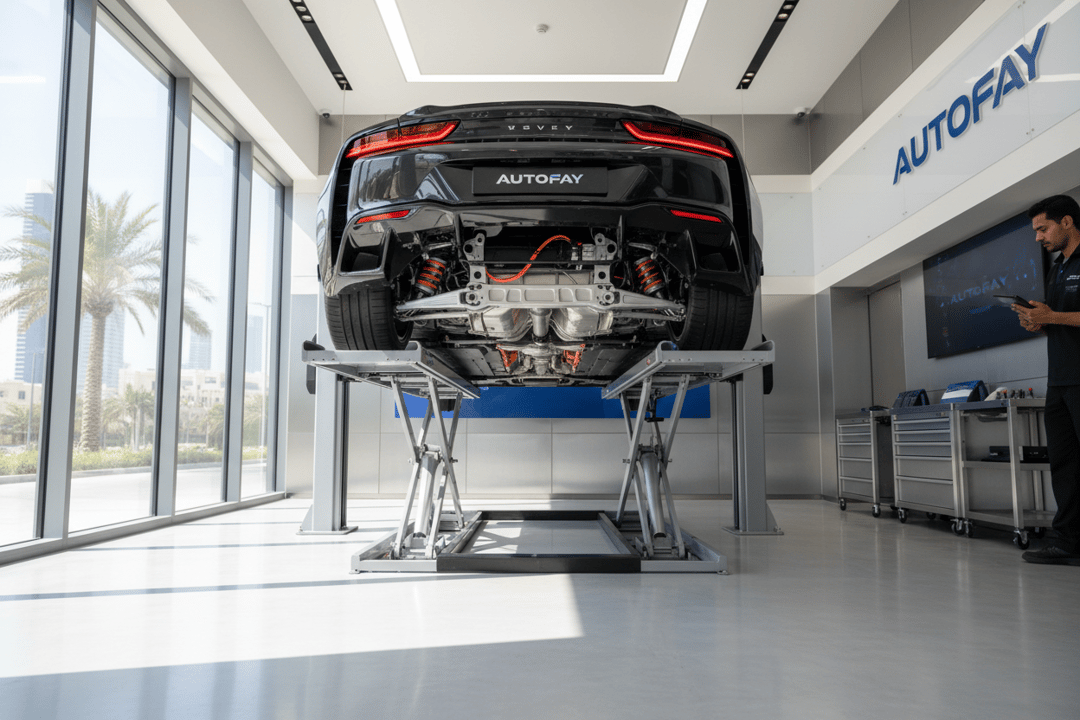
Particular attention is paid to the central tunnel and the rear chassis rails. These areas accumulate salt and moisture over time, leading to rust and corrosion. A compromised chassis rail can affect the structural rigidity of the vehicle and pose safety risks. Inspectors also check the pillars and B-posts for frame damage, which is often the result of significant frontal or side collisions.
Suspension, Steering, and the Road Test
The suspension system of a Discovery, especially if it features air suspension, is a frequent point of failure. Air springs can develop leaks, leading to a sagging rear end and an uneven ride. Inspectors look for signs of oil residue on the air struts and listen for audible hissing noises from the compressor. Even without air suspension, the complex linkage of the rear axle can suffer from wear, resulting in instability at highway speeds.
A thorough road test evaluates the vehicle’s responsiveness. Vibration through the steering wheel often points to worn suspension bushings or distorted wheel rims. The steering should feel tight and return to center without drift. Inspectors also assess the tires, checking their manufacturing year and tread depth to ensure they are not bald and that they match the vehicle’s specifications for load and speed ratings.
Fluids, Brakes, and Operational Readiness
Fluids serve as the lifeblood of the Discovery’s hydraulics and cooling systems. Brake fluid absorbs moisture over time, reducing its boiling point and compromising stopping power. Inspectors check brake fluid levels and condition, looking for a dark, gritty consistency that indicates it has not been changed regularly. Brake pads are rated based on thickness (percentage), and inspectors ensure that calipers are not seized, which can cause premature wear on rotors and pads.
Power steering fluid and coolant are also examined. Low coolant levels often point to overheating issues, while dirty or foamy power steering fluid suggests internal pump failure. These components are often expensive to replace, and discovering them early allows buyers to adjust their offers accordingly.
Structured Inspection Packages for Value
Investing in a professional inspection mitigates the risk of purchasing a problematic vehicle. To accommodate different budgets and needs, AutoFay offers a tiered service structure designed to provide specific insights without unnecessary expense. These on-location inspections operate across all seven Emirates, bringing the inspection directly to the vehicle's location.
| Inspection Package | Price (AED) | Key Focus Areas |
|---|---|---|
| Computer Diagnostics | 99 | OBD scan for engine/transmission/ABS/airbag codes. Identifies hidden electronic faults. |
| Body & Computer | 250 | Panel-by-panel body check for accident damage + comprehensive OBD scan. |
| Comprehensive | 399 | 410+ checkpoints across 25 categories. Includes frame, suspension, fluids, tires, and road test. |
For buyers prioritizing electronic health, the Computer Diagnostics service at AED 99 provides immediate insight into the vehicle's computer logic. The Body & Computer package at AED 250 offers a balance of visual structural assessment and electronic troubleshooting. The Comprehensive package at AED 299 covers the full spectrum, including frame integrity, floor pan condition, and a detailed road test to verify the drivetrain operates correctly under load.
AutoFay inspects 410+ checkpoints with HD photos and PDF report. Book at autofay.ae or call +971542584458


0 Comments
No comments yet. Be the first to share your thoughts!