


The Kia Telluride has cemented its status as a segment-leading three-row SUV, offering a blend of luxury, space, and capability. In the UAE market, this popularity creates a high volume of used inventory, increasing the likelihood of hidden damage or mechanical wear. Purchasing a used vehicle without professional verification exposes the buyer to unforeseen repair costs and safety risks. A thorough pre-purchase inspection (PPI) is the only method to verify a vehicle's true condition. A standard walk-around is insufficient; professional inspectors utilize specialized tools and a rigorous checklist to uncover faults invisible to the untrained eye.
Common Mechanical Anomalies in the Telluride
The Kia Telluride is mechanically robust, but specific wear points emerge based on mileage and usage. The vehicle is powered by a capable Lambda II V6 engine. While generally reliable, the timing chain tensioner can degrade over time. A failing tensioner allows the chain to rattle or stretch, potentially leading to catastrophic engine failure if ignored. Inspectors listen for unusual noises during the road test to detect this issue early.
Another critical component is the water pump. Located at the front of the engine, it circulates coolant to prevent overheating. A water pump with a failing bearing produces a squealing or grinding noise. If the pump fails while driving, the engine will overheat immediately. Overheating causes the cylinder head gasket to blow. This failure forces coolant into the combustion chamber, resulting in white smoke from the exhaust and a destroyed engine block.
The transmission in the Telluride is a 8-speed automatic, generally praised for its smooth shifts. However, harsh shifting or delayed engagement can indicate low transmission fluid or a worn valve body. Low fluid levels reduce hydraulic pressure, making gears slip or clunk. Ignoring these symptoms leads to total transmission failure, which requires a complete unit replacement.
The Critical Role of Diagnostics
Modern vehicles generate a vast amount of data that requires a computer interface to access. Inspectors connect a diagnostic scanner to the OBD port to read system codes. This reveals errors stored in the Engine, Transmission, ABS, and Airbag modules. An illuminated check engine light often points to a catalytic converter issue or oxygen sensor failure. A catalytic converter blockage restricts exhaust flow, reducing power and fuel economy. Oxygen sensor errors can cause the engine to run rich, damaging the spark plugs and exhaust system.
Accessing these diagnostic codes requires professional equipment. AutoFay integrates diagnostic scanning into its inspection packages to provide a complete picture of the vehicle’s electronic health. The Computer Diagnostic package for AED 99 uncovers specific engine and transmission faults. The Body & Computer package for AED 250 adds an expert evaluation of body damage to the diagnostic scan. The Comprehensive package for AED 299 covers all 25 categories, ensuring no electronic fault goes unnoticed. This three-tiered pricing structure allows buyers to select the level of technical scrutiny required.
Exterior and Structural Integrity Checks
Body damage significantly impacts resale value and structural safety. Inspectors perform a panel-by-panel assessment to identify accident repairs. A paint thickness gauge measures the layers of paint on the panels. Significant discrepancies between the hood, doors, and fenders indicate prior repainting. Repainted areas often hide underlying rust or frame damage. The B-pillars are particularly vulnerable in side-impact collisions and must be checked for misalignment or rust intrusion.
Structural integrity is paramount for crash safety. Inspectors examine the frame rails and floor pan for intrusion or damage. A damaged frame alters the vehicle's alignment and suspension geometry. This leads to tire cupping and uneven tire wear. Inspectors look for filler beads or uneven welds on the frame rails, which suggest collision repair. Even a minor frame bend compromises the vehicle's ability to protect occupants in an accident.
Under-the-Hood and Fluid Inspection
Fluids are the lifeblood of a vehicle, and their condition reveals the maintenance history. Inspectors check the engine oil level and viscosity. Used oil that is black and gritty contains metal shavings, indicating bearing wear or internal damage. The coolant reservoir must be inspected for rust or debris. Coolant that appears rusty indicates a cooling system failure or a blown head gasket. Brake fluid absorbs moisture over time, lowering its boiling point. Moisture-contaminated brake fluid causes the pedal to feel soft and fade during heavy braking.
Inspectors also inspect belts and hoses. Cracked or frayed serpentine belts will snap while driving, disabling the power steering and alternator. Bulging coolant hoses indicate weak rubber that will burst under pressure. These components are inexpensive to replace, but failure leaves the driver stranded. A professional inspection identifies these wear items before they cause a roadside breakdown.
Suspension, Steering, and Road Test
The suspension system maintains tire contact with the road. Inspectors test the shock absorbers by pressing down on the corners of the vehicle. The car should settle quickly without bouncing excessively. Excessive bounce indicates worn shock absorbers, which reduce tire life and braking performance. Inspectors also listen for clunking noises over bumps, which point to worn ball joints or control arm bushings.
A road test evaluates the vehicle's drivability. The transmission must shift smoothly between gears without hesitation. The steering wheel should feel tight and centered. Shaking in the steering wheel indicates worn tie rods or tires. Vibration in the seat points to worn motor mounts. Motor mounts hold the engine to the chassis; when they fail, the engine torque twists the chassis, causing vibration and noise. Proper alignment ensures the tires wear evenly and the vehicle tracks straight.
Tires and Braking Systems
Tires are the only contact point between the vehicle and the road surface. Inspectors check the manufacturing date on the sidewalls. Tires older than five years are prone to dry rot, even with low mileage. The tread depth must meet safety standards. Uneven wear patterns indicate alignment issues or suspension problems. In the UAE climate, tires degrade faster due to heat, making this a critical check.
The braking system involves calipers, rotors, and pads. Inspectors measure the remaining pad thickness. Pads must be replaced when they fall below 3mm. Inspectors also check for disc thickness. Thinned rotors cause brake pulsation, which makes the steering wheel shake during braking. Glazed rotors reduce stopping power. A comprehensive inspection includes a hard brake test to ensure the vehicle stops in a straight line without pulling to one side.
Red Flags Specific to the Telluride
Several warning signs should immediately disqualify a vehicle from purchase. Excessive black smoke from the exhaust indicates a fuel injector leak. Blue smoke suggests burning engine oil, pointing to piston ring wear. White smoke points to a cooling system failure. Any visible smoke during the test drive is a critical red flag.
- Check Engine Light: An illuminated light means the vehicle is not running optimally. Do not assume it is a minor sensor issue.
- Oil Leaks: Look for wet spots under the car. Major leaks cause low oil levels, leading to engine seizing.
- Suspension Noise: Clunking or rattling sounds over bumps indicate worn suspension components that will fail soon.
- Airbag Light: An active airbag warning means the system is dormant. This leaves the driver and passengers unprotected in a collision.
These red flags often signal expensive repairs that were not addressed by the previous owner. A professional inspection prevents the buyer from inheriting these liabilities.
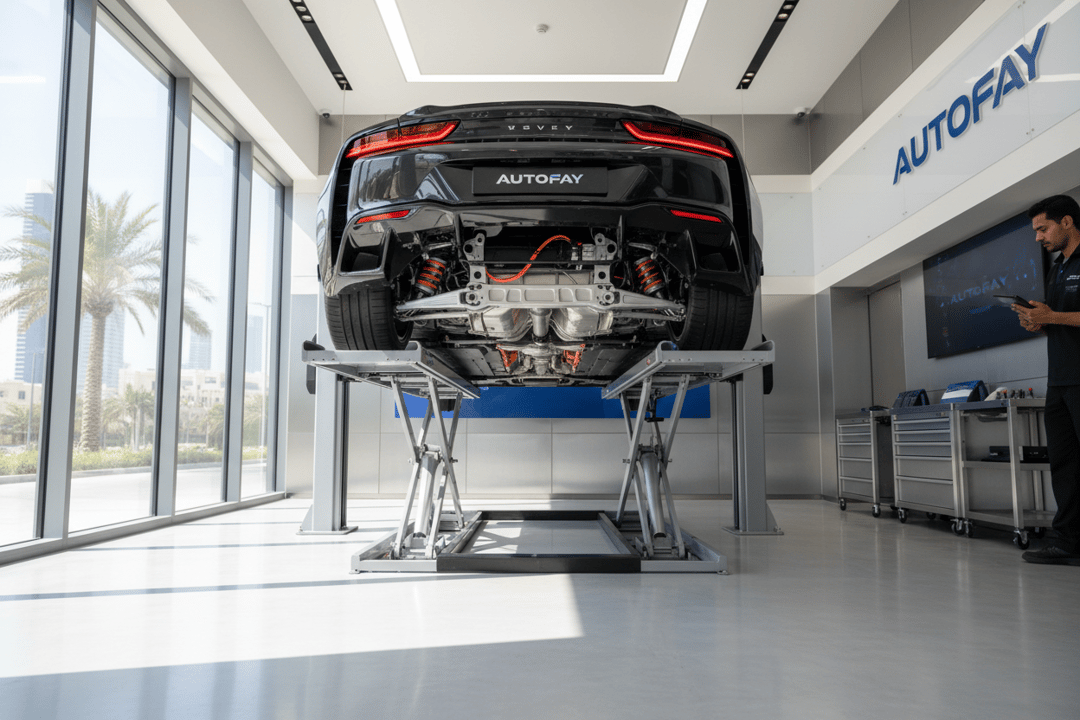
AutoFay inspects 410+ checkpoints with HD photos and PDF report. Book at autofay.ae or call +971542584458.




0 Comments
No comments yet. Be the first to share your thoughts!