

The Kia Stinger occupies a unique niche in the UAE automotive market, offering a rare combination of rear-wheel-drive dynamics, a potent turbocharged powertrain, and near-luxury comfort. However, this performance-oriented vehicle places significant demands on its components, especially when exposed to the intense heat and abrasive conditions of the Middle Eastern climate. Purchasing a used Stinger requires a deep understanding of its specific mechanical vulnerabilities. A visual inspection is rarely sufficient to uncover hidden defects caused by thermal stress. Professional analysis is necessary to verify the health of the engine, transmission, and chassis before committing to a purchase.
Engine Thermal Stress and Oil Degradation
The Kia Stinger’s capable Twin-Turbo V6 and capable Turbo engines are designed for high performance, which generates substantial internal heat. In the UAE, ambient temperatures often push engine bay temperatures well beyond standard operating limits. This environment accelerates the chemical breakdown of engine oil and transmission fluid. When oil degrades due to heat, its viscosity decreases, leading to reduced lubrication between moving parts. This increased friction can result in piston ring wear, increased oil consumption, and sludge buildup within the engine block. A experienced inspector must evaluate the condition of the engine mounts to ensure they are not allowing excessive vibration transfer, which indicates age and stress.
During the inspection process, the color of exhaust smoke is a critical diagnostic indicator. Blue smoke typically signals burning oil, while white smoke often points to a coolant leak, such as a cracked cylinder head or a failing head gasket. These issues are exacerbated by thermal expansion cycles in high heat. An OBD scan reveals diagnostic trouble codes that may indicate oxygen sensor failures or catalyst efficiency issues caused by prolonged high-heat exposure. For a preliminary check of these complex mechanical systems, the Computer Diagnostic service is an essential first step.
Furthermore, the cooling system in performance sedans is often more robust than economy cars, making it a critical failure point if neglected. The radiator and hoses must be checked for cracks or softening, as rubber components can become brittle under the relentless sun. A compromised cooling system can lead to engine overheating, which in severe cases causes catastrophic piston seizure. Therefore, inspectors must verify the integrity of the coolant reservoir and the condition of the radiator cap to ensure proper pressure regulation.
Transmission Fluid Aeration and Slipping
The 8-speed automatic transmission in the Kia Stinger is electronically controlled and highly responsive, yet it is sensitive to fluid condition. In the UAE’s hot climate, transmission fluid is prone to "aeration," where air bubbles form within the fluid due to heat expansion. Aeration reduces the fluid's ability to transmit hydraulic pressure effectively. This results in delayed gear shifts, hesitation when accelerating, and a lack of torque converter lockup, which negatively impacts fuel economy and drivability. The inspection must include a road test to listen for harsh shifts or slipping between gears, particularly when the vehicle is cold.
Inspectors should also look for signs of fluid leaks around the transmission pan and output shaft. If transmission fluid levels are low due to leaks, the transmission will overheat internally, leading to premature clutch wear and potential failure. The ATF (Automatic Transmission Fluid) color should be bright red or pink; dark brown or black fluid indicates it has been overheated and is no longer providing adequate protection for the transmission's internal clutches and gears. Addressing these issues early prevents the need for a complete transmission rebuild, which is a significant financial burden.
Suspension Bushing Hardening and Leaks
The Stinger features a sport-tuned suspension setup designed to provide sharp handling and feedback. However, the rubber bushings that cushion the suspension components are highly susceptible to degradation from UV radiation and high ambient temperatures. Over time, the rubber hardens and cracks, losing its ability to absorb road shock. This leads to an increase in cabin noise and vibration, as well as a "loose" feeling in the steering wheel. Inspectors must physically check all control arm bushings and sway bar links for cracking or excessive movement.
Hydraulic suspension components, such as the shock absorbers, are also prone to seal failure in the UAE climate. The high temperatures can cause the oil inside the struts to expand and force its way through compromised seals, resulting in visible leaks at the bottom of the strut cartridge. A leaking strut provides poor damping control, causing the vehicle to bounce excessively over bumps and reducing tire life due to uneven wear patterns. Inspectors analyze tire wear to infer suspension health; cupping or feathered edges on the tires often correlate with worn shock absorbers or coil springs.
Electrical System Sensitivity
Modern performance vehicles rely heavily on complex sensor networks to manage engine timing, fuel injection, and transmission shift points. The combination of extreme heat and electrical load in the Stinger can lead to premature sensor failure. High temperatures can cause electronic sensors to drift from their calibrated values, leading to erratic engine behavior or check engine lights that do not correlate with actual mechanical damage. Infotainment systems and instrument clusters are also subject to thermal stress, which can result in screen malfunction or backlight failure.
A diagnostic scan is vital to read these sensor values and identify faults that may be masking underlying issues. Common electrical complaints in the UAE include issues with the Tire Pressure Monitoring System (TPMS) due to the high temperatures causing rapid air expansion in the tires, or overheating issues with the battery management system. Ensuring the electrical systems are stable is crucial for safety, particularly for the stability control and traction control modules that rely on accurate wheel speed sensors.
The Importance of a Comprehensive Inspection
Given the complexity of the Kia Stinger and the harsh environment in which it operates, a thorough pre-purchase inspection is non-negotiable. Standard visual checks often miss critical issues such as oil oxidation or internal transmission wear. Professional inspection services provide a systematic approach to evaluating the vehicle's condition. AutoFay offers a on-location inspection service across all 7 Emirates, bringing over 410+ checkpoints directly to the buyer or seller.
Inspectors evaluate the vehicle across 25 distinct categories, including body, frame, engine sound, and mount condition. They verify the authenticity of panel repairs to ensure the car has not been in a major accident that could compromise its structural integrity or safety systems. The inspection process includes a detailed road test to verify acceleration, braking performance, and noise levels under various driving conditions. This rigorous process ensures that no potential issue is overlooked.
For buyers seeking a detailed financial overview of potential risks, specific inspection packages are available to suit different needs. While a basic scan can identify codes, a comprehensive inspection covers every aspect of the vehicle's health.
| Inspection Package | Price | Best For |
|---|---|---|
| Computer Diagnostic | AED 99 | Quick check of engine/transmission/ABS/Airbag codes and sensors. |
| Body & Computer | AED 250 | Visual assessment of paint, panel alignment, and raw diagnostic data. |
| Comprehensive | AED 299 | Full 410+ checkpoint inspection including frame rails, fluids, tires, and brakes. Order Your Kia Inspection Certificate with AutoFay - From AED 99 (Sharjah & Ajman) Our inspector comes to your vehicle across all 7 UAE emirates. Same-day digital inspection report. Share:  Related Articles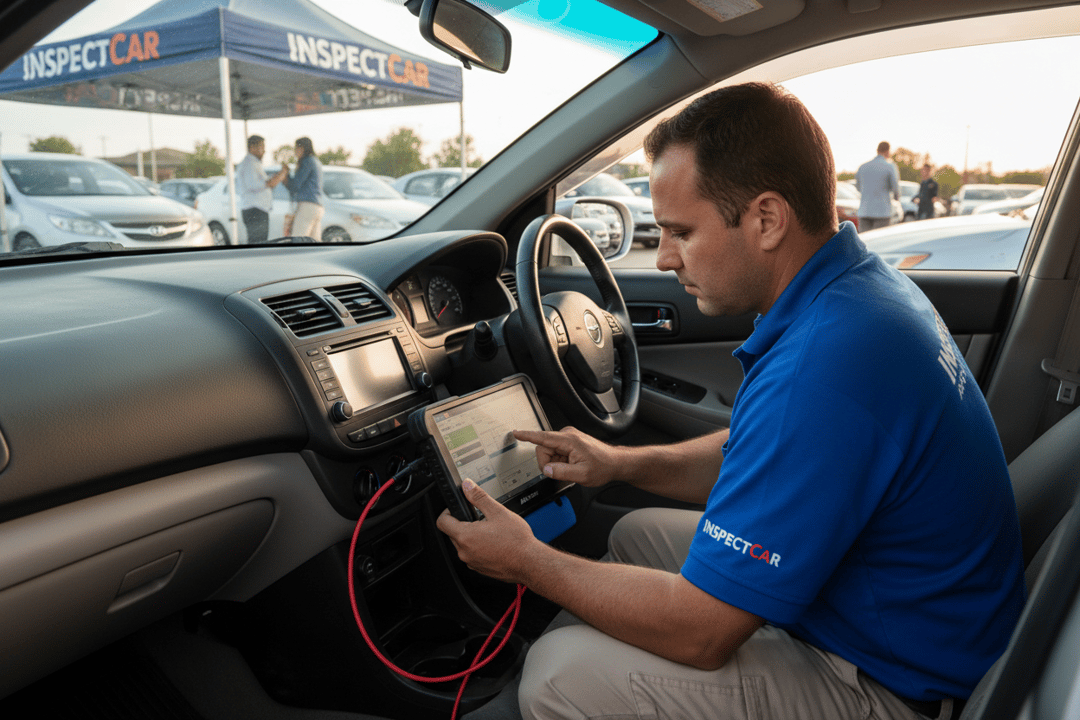 inspection-guide OBD Scanner Report: 8-Point Diagnostic Code Check for UAE Used CarsEvery modern car logs every fault it has ever had, and most sellers clear those codes ten minutes before a viewing. A proper OBD scan does not just read the live faults; it reads the history that should still be there, the readiness monitors that prove a recent code-clear, and the freeze-frame data that exposes hidden issues. Here are the 8 OBD checkpoints we run on every AutoFay inspection using a dealer-grade Autel MaxiSys MS909. 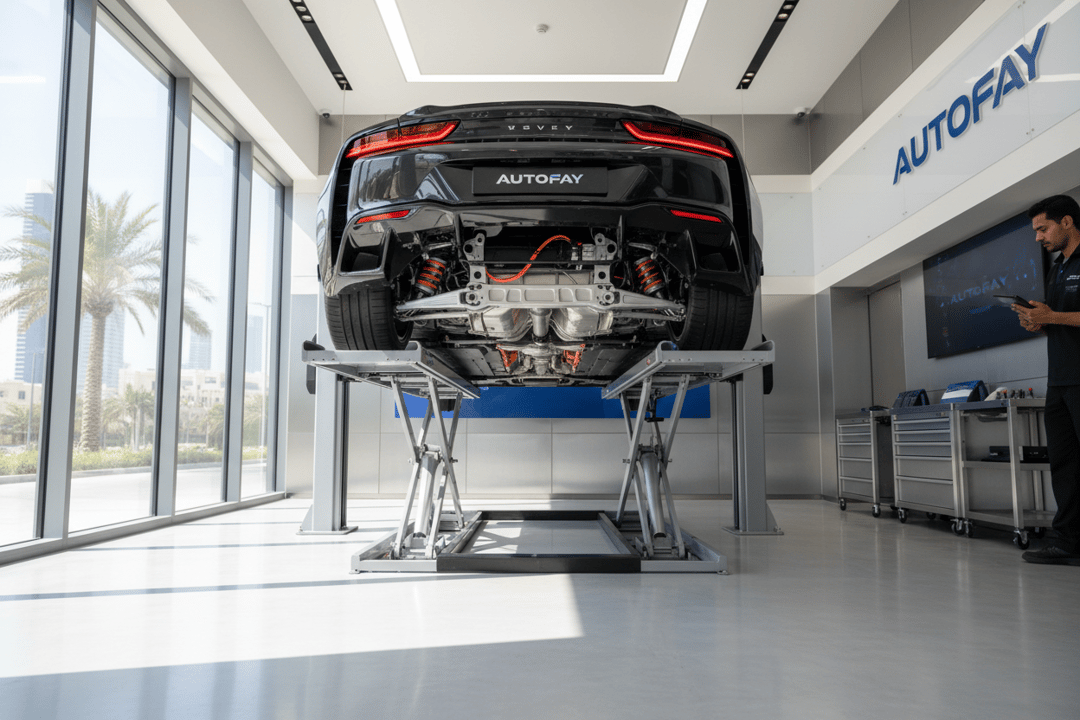 Vehicle Review Used Volvo XC40 Inspection UAE: Common Problems & Red Flags GuideThe Volvo XC40 has established itself as a formidable contender in the luxury compact SUV segment, offering a blend of Scandinavian design, safety...  Vehicle Review Used Volvo S90 UAE Inspection: Common Problems & Red FlagsThe Volvo S90 represents a significant entry in the luxury sedan segment, offering a blend of comfort, safety technology, and Scandinavian design....  Vehicle Review Used Volvo S60 UAE: Pre-Purchase Inspection GuideThe Volvo S60 represents a distinct blend of Scandinavian safety engineering and premium luxury. However, navigating the pre-purchase process for this... |
0 Comments
No comments yet. Be the first to share your thoughts!