


The Kia Sorento has established a strong presence in the UAE market, recognized for its spacious cabin and SUV utility. Buyers frequently prioritize the model due to its family-friendly dimensions and perceived reliability. However, the harsh environmental conditions in the Emirates—characterized by intense solar radiation and high ambient temperatures—accelerate wear and tear on mechanical components. A used vehicle may appear mechanically sound at rest, but the operational reality differs significantly in high-heat environments. Understanding the specific vulnerabilities of the Sorento under local conditions requires a technical appreciation of how thermal stress affects engine, transmission, suspension, and electrical systems. The following analysis details the critical inspection points found during professional evaluations, ensuring a clear understanding of potential latent defects.
Engine Performance and Oil Degradation
The internal combustion engine operates under extreme thermodynamic pressure, which is exacerbated by the UAE climate. High temperatures cause engine oil to degrade rapidly, losing its viscosity and lubricating properties. A vehicle inspected in the UAE often reveals engine issues that are not immediately visible during a brief drive. The primary concern is the condition of the lubrication system, where oil breakdown leads to increased friction between moving parts. This friction generates excessive heat, creating a cycle that can compromise cylinder walls and bearings.
Inspectors specifically look for signs of previous overheating, such as coolant discoloration or the presence of white smoke upon startup. Radiator hoses can become brittle and swell due to thermal expansion cycles, leading to potential ruptures. Furthermore, the oil pressure sensor and the cooling system temperature sensor are critical points of failure; if these sensors malfunction, the vehicle’s computer may misinterpret data, preventing the engine from managing heat effectively. The inspection checklist must verify the engine mounts, as a failing mount can cause excessive vibration and misalignment, further stressing the engine components during idle and acceleration.
- Oil viscosity breakdown leading to increased engine wear.
- Brittle radiator hoses susceptible to bursting under pressure.
- Overheating history indicated by coolant discoloration.
- Failing engine mounts causing vibration and misalignment.
Transmission Fluid Dynamics and CVT Issues
Transmission performance is heavily reliant on fluid viscosity, which is directly impacted by operating temperature. The Sorento, particularly models equipped with a Continuously Variable Transmission (CVT), is sensitive to fluid heat. In the UAE, where stop-and-go traffic and highway driving often occur under extreme sun, the transmission fluid can reach temperatures beyond the manufacturer’s specifications. When fluid viscosity drops, the hydraulic pressure required for smooth gear shifts diminishes. This results in delayed engagement, slipping gears, or a lack of power during acceleration.
Fluid contamination is another frequent finding. Over time, heat causes oxidation within the transmission fluid, resulting in a varnish-like substance that coats internal components. This buildup restricts fluid flow and can lead to valve body failure. A professional inspection must assess the transmission fluid condition, looking for a burnt smell or a dark, muddy appearance rather than a bright red hue. Ignoring transmission fluid degradation leads to catastrophic transmission failure, necessitating a full unit replacement rather than a simple fluid service.
Suspension System Fatigue in High Heat
The suspension system in a used Sorento faces a dual assault from road conditions and thermal stress. The intense heat in the UAE causes rubber components, such as bushings and boots, to harden and crack. This rubber fatigue reduces the suspension's ability to absorb road imperfections, leading to a harsher ride quality. The suspension components are constantly subject to expansion and contraction due to temperature fluctuations, which weakens the structural integrity of the rubber seals and metal-to-rubber interfaces.
Shock absorbers and struts rely on gas pressure or hydraulic fluid to dampen motion. High temperatures can cause the gas in gas-filled shocks to expand, potentially leading to leaks or a loss of damping efficiency. Inspectors check for oil leaks around the shock absorbers and examine the condition of the control arm bushings. Worn control arms can alter the vehicle's alignment, causing premature tire wear and steering pull. In the UAE, where highways feature expansion joints that act as shock absorbers for the vehicle, a compromised suspension system absorbs this impact inefficiently, accelerating the wear on tires and wheel bearings.
- Hardened and cracked rubber bushings reducing ride comfort.
- Shock absorber fluid loss due to high-temperature expansion.
- Control arm misalignment causing uneven tire wear.
- Brittle sway bar links failing under normal driving conditions.
Electrical System Sensitivity and Sensor Calibration
The electrical architecture of modern vehicles, including the Kia Sorento, is increasingly complex. The UAE heat places significant stress on battery electrolytes and charging system components. High temperatures accelerate the evaporation of battery fluid in lead-acid batteries, leading to sulfation and reduced cranking power. Additionally, the alternator works harder to recharge the battery, especially when running climate control systems at full load, increasing the risk of voltage regulator failure and subsequent electrical system shutdown.
Sensors monitor engine parameters such as air intake temperature, throttle position, and oxygen levels. Thermal stress can cause these sensors to drift from their calibrated settings, sending incorrect data to the Engine Control Unit (ECU). This can result in reduced fuel efficiency, poor throttle response, and the illumination of warning lights that may not correspond to actual mechanical failures. Wiring harnesses are also vulnerable; prolonged exposure to UV radiation and heat can degrade insulation, leading to short circuits or intermittent electrical gremlins that are difficult to diagnose without specialized equipment.
The Inspection Standard: Professional Evaluation
Reliance on a visual inspection alone is insufficient for assessing the true condition of a used Sorento. The mechanical health of the vehicle is hidden beneath the surface and requires a structured diagnostic approach. Professional inspection services utilize standardized protocols to evaluate 410+ checkpoints across 25 categories. These categories cover body integrity, frame alignment, engine sound, transmission operation, and brake performance. A thorough evaluation provides a clear picture of the vehicle's history and current mechanical status.
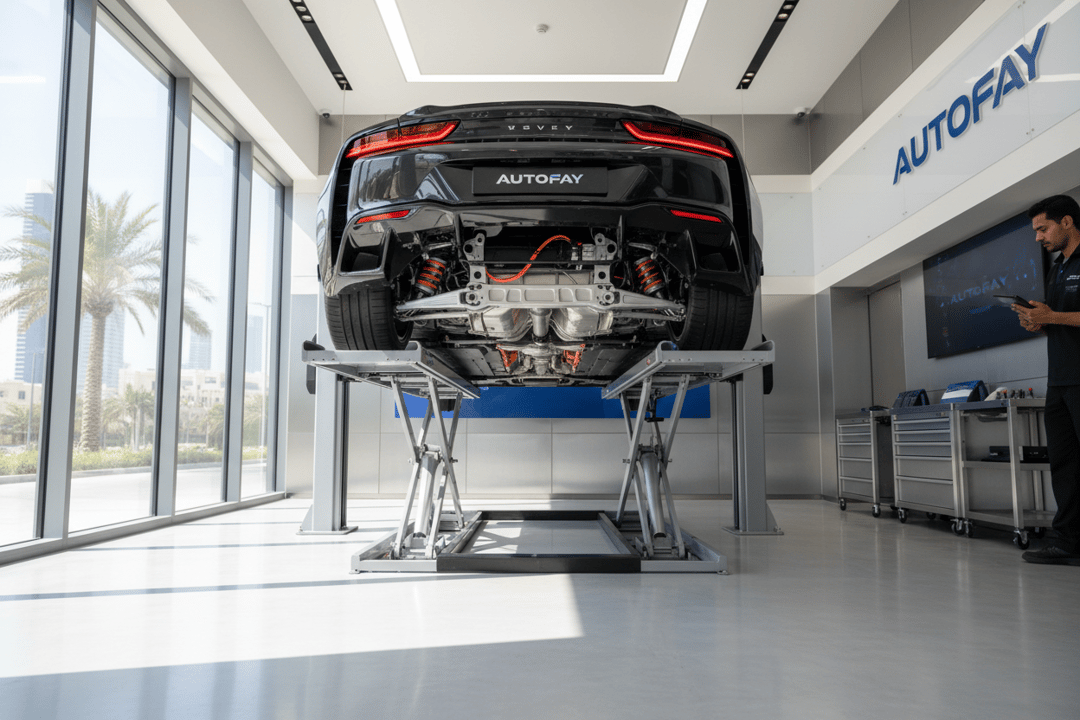
For buyers and sellers alike, selecting a professional inspection service ensures transparency and risk mitigation. Services like AutoFay offer on-location inspection capabilities, bringing the inspection process to the buyer's location across all seven Emirates. This convenience allows for a comprehensive assessment without the need to transport the vehicle to a central workshop. The service provides a detailed report, including HD photos and data logs, which serves as a critical tool for negotiations and ownership planning.
| Inspection Package | Service Inclusions | Price (AED) |
|---|---|---|
| Computer Diagnostic | OBD scan for engine, transmission, ABS, and airbag codes. | 99 |
| Body & Computer | Panel-by-panel paint analysis, bodywork check, and OBD diagnostics. | 250 |
| Comprehensive | Full inspection covering Body, Frame, Engine, Brakes, Suspension, Tires, and Road Test. | 399 |
The comprehensive inspection package covers essential systems that directly impact safety and longevity. This includes a detailed road test to evaluate acceleration, braking response, noise levels, and vibration. It also assesses fluid levels and conditions, tire manufacturing dates, and wear patterns. By utilizing these structured packages, buyers can identify specific issues—such as oil leaks, worn brakes, or suspension noise—before purchasing the vehicle. This prevents the acquisition of a vehicle with hidden defects that could lead to unexpected repair costs.
AutoFay inspects 410+ checkpoints with HD photos and PDF report. Book at autofay.ae or call +971542584458




0 Comments
No comments yet. Be the first to share your thoughts!