
The Kia Forte has established a reputation as a reliable workhorse in the UAE compact sedan market. Its competitive pricing, fuel efficiency, and feature set make it a frequent choice for first-time buyers and trade-ins. However, relying on a Carfax report or a visual walk-around is insufficient for this model. The Forte, like any modern vehicle, hides problems behind panels and within complex electronic systems. A thorough, professional inspection is the only method to validate a vehicle's true condition before funds change hands. This guide outlines the critical areas inspectors examine, common vulnerabilities of the Forte, and why a specialized service is essential for buyers.
The 1.6L Engine: Oil Consumption and Timing Health
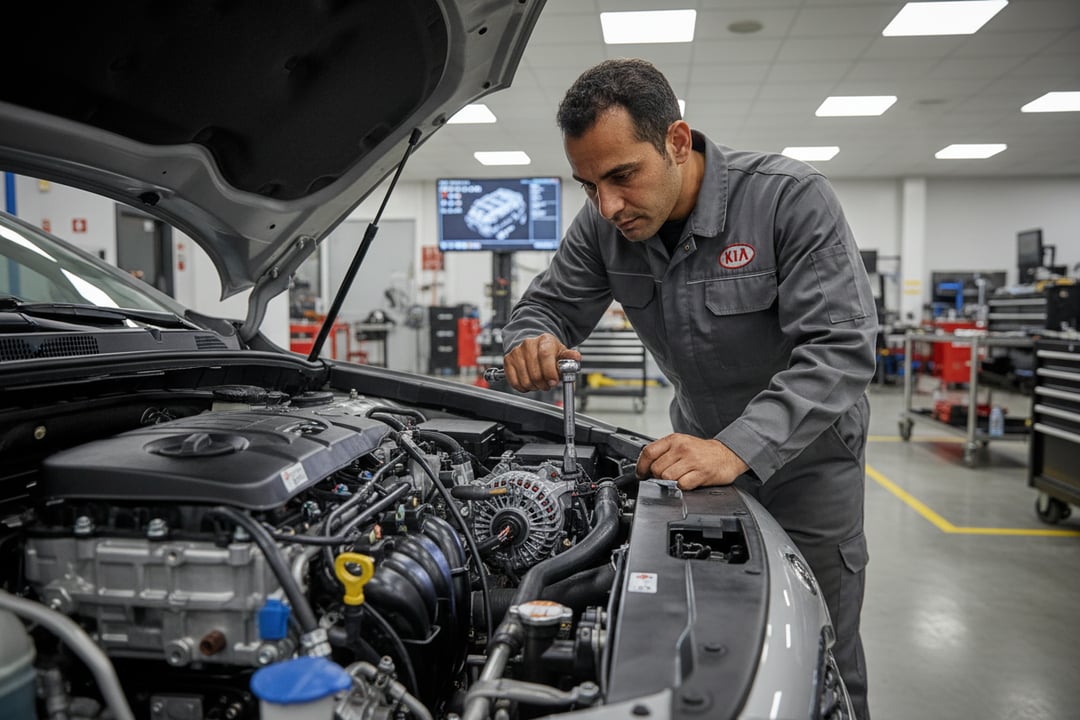
The 1.6L MPI and GDi engine variants are the heart of the Forte. Inspectors prioritize checking the engine oil levels immediately after a cool start, as oil consumption is a documented issue in this powertrain family. A vehicle that requires significant oil top-ups between changes often indicates worn piston rings or valve guide seals, leading to eventual engine failure.
Another critical component is the timing chain assembly. Kia Forte models equipped with the a capable engine engine are susceptible to timing chain stretch and tensioner failure over time. During inspection, technicians listen for unusual metallic ticking noises emanating from the top of the engine. This sound suggests the chain has lost proper tension, which can lead to catastrophic engine interference if the chain snaps while driving.
- Oil Leaks: Inspectors check gaskets around the valve cover and oil filter housing. Unaddressed leaks can lead to engine overheating and fire hazards.
- Exhaust Smoke: Blue smoke indicates burning oil, while white smoke points to a blown head gasket, a common failure point after high mileage.
- Timing Chain: Listen for rattling at startup; this is a primary red flag for timing chain tensioner failure.
Transmission Shift Quality and DCT Behavior
The 6-speed automatic transmission found in many Forte trims is generally robust, but the 7-speed Dual-Clutch Transmission (DCT) requires closer scrutiny. In the Dubai heat, DCTs can sometimes exhibit delayed shifting or jerky motions when the transmission is cold. Inspectors differentiate between normal thermal adaptation behavior and actual mechanical failure.
A road test should reveal smooth power delivery without hesitation. If the car hesitates to downshift when accelerating or slips gears under load, the transmission fluid may be burnt, or the clutch packs may be failing. Ignoring shift quality issues often results in expensive transmission rebuilds or replacements, rendering the vehicle undrivable.
Body, Frame, and Paint Consistency
The UAE’s harsh climate accelerates paint degradation and water ingress. Inspectors conduct a panel-by-panel check to identify whether the vehicle has been in a collision. Even minor accidents involving the front or rear bumper can lead to misaligned panels, which affect aerodynamics and safety.
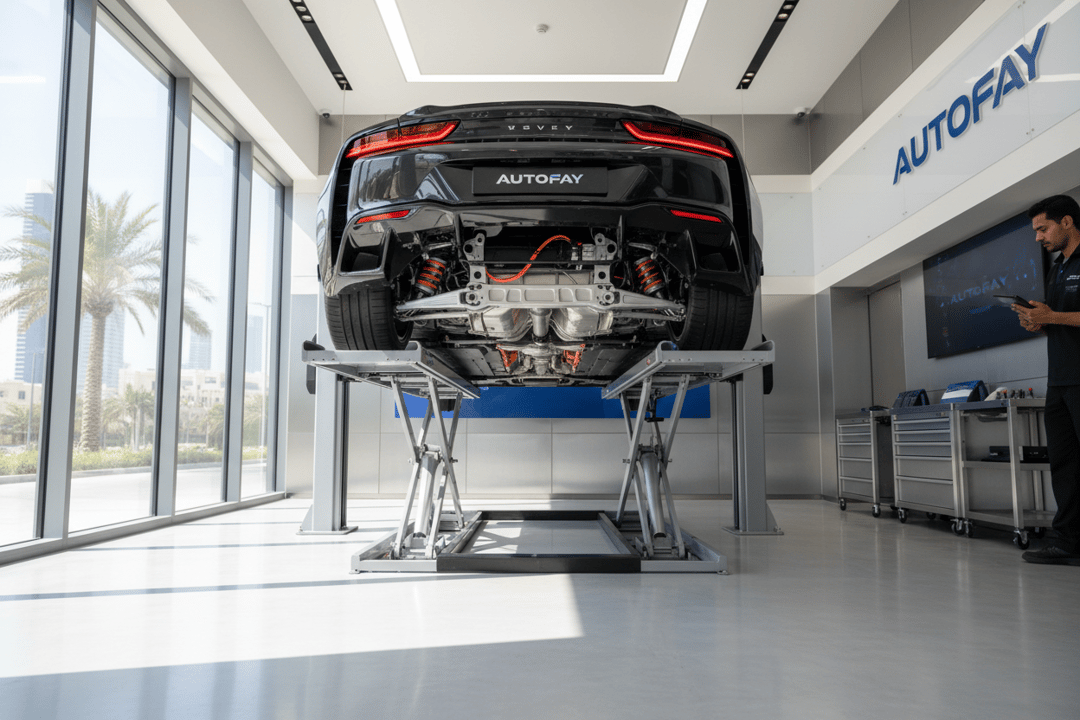
Coastal regions introduce a specific risk: salt corrosion. Inspectors examine the undercarriage, particularly the frame rails and the bottom of the doors. Rust creeping from the inside out can go unnoticed during a casual viewing. Repainted panels should match the rest of the car in gloss level and color code. Poor color matching or orange peel texture on the paint suggests previous repairs that may hide structural damage.
Why OBD Scanning is Mandatory
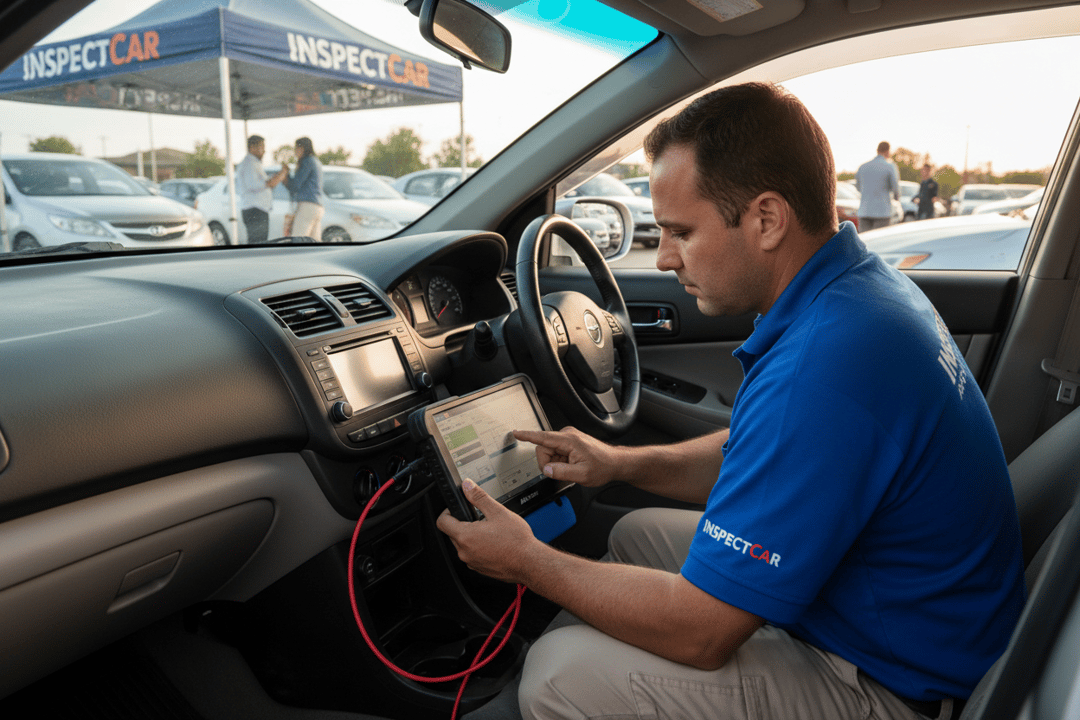
Modern vehicles rely on the On-Board Diagnostics system to manage everything from engine performance to airbag deployment. A visual inspection cannot detect hidden electrical faults. Mechanics connect an OBD scanner to the vehicle’s data port to retrieve error codes.
Common trouble codes for the Forte relate to the oxygen sensors, which monitor air-fuel ratios. A failing oxygen sensor triggers the Check Engine Light and reduces fuel economy. The scan also reveals history stored in the ECU, such as whether the airbag module has been deployed and reset improperly. Without this digital trace, buyers risk purchasing a car with unresolved electronic gremlins that affect drivability and safety.
Suspension, Brakes, and Tire Safety
Uncomfortable ride quality often stems from degraded suspension components. Inspectors test the shock absorbers and struts to ensure they dampen road imperfections effectively. Worn shocks can lead to poor braking performance and tire wear, as the vehicle does not maintain proper tire contact with the road.
Brake pads and rotors are consumables that wear down with usage. Inspectors measure the remaining brake pad thickness using a caliper gauge. A low pad percentage rating indicates immediate replacement is required. Additionally, tire manufacturing dates are checked, as tires older than six years should be replaced regardless of tread depth, due to dry rot.
AutoFay Inspection Packages and Methodology
Professional inspection mitigates the risk of buying a defective vehicle. AutoFay provides a standardized approach with over 410+ checkpoints across 25 categories. The service is delivered on location, covering all seven Emirates, ensuring the inspection happens at the seller’s location.
| Inspection Package | Price (AED) | Scope of Service |
|---|---|---|
| Computer Diagnostic | 99 | Scans engine, transmission, ABS, and airbag codes to identify hidden electronic faults. |
| Body & Computer | 250 | Combines panel-by-panel paint analysis with frame integrity checks and digital diagnostics. |
| Comprehensive | 399 | Full 410+ checkpoint inspection including fluids, brakes, suspension, tires, and road test performance. |
The comprehensive package is recommended for high-value transactions. It validates the vehicle's mechanical health through a physical road test. Inspectors check for vibration, noise, and acceleration power to ensure the car drives as intended. The process provides a detailed report with HD photos and documentation of every finding.
Red Flags Specific to the Kia Forte
When evaluating a used Forte, certain anomalies should trigger immediate rejection. A "Service Engine Soon" light that has been disconnected or covered with tape is a major warning sign of underlying issues. Similarly, a sour smell of coolant under the hood usually points to a leaking radiator or heater core.
Inspectors also look for "gap variance" between doors and the hood. Extreme gaps suggest a previous impact to the unibody structure. If the seller cannot provide maintenance records, assume the worst-case scenario regarding oil changes and brake service. A vehicle with no service history is a gamble with significant potential consequences.
AutoFay inspects 410+ checkpoints with HD photos and PDF report. Book at autofay.ae or call +971542584458.


0 Comments
No comments yet. Be the first to share your thoughts!