

The Jeep Gladiator occupies a unique niche in the UAE automotive market. It combines the utility of a pickup truck with the versatility of a convertible, appealing to buyers who value both utility and lifestyle. While the vehicle offers a compelling driving experience, its complex engineering and unique body structure present specific challenges for prospective buyers. A thorough pre-purchase inspection is essential to uncover hidden defects that are not immediately visible during a test drive.
Understanding the Gladiator's Mechanical Profile
The Gladiator is available with two primary powertrains: the a capable engine Pentastar V6 and the a capable engine Turbocharged multi-air inline-four. Both engines demonstrate durability under typical driving conditions, but high mileage usage in the UAE heat exposes specific vulnerabilities. The V6 engine is generally robust, yet the timing chain components can wear over time if the vehicle has not undergone scheduled maintenance. The a capable engine Turbo engine requires strict adherence to oil change intervals to prevent turbocharger failure.
Inspectors look closely at oil consumption and the condition of the PCV (Positive Crankcase Ventilation) system. Excessive oil consumption suggests worn piston rings or valve stem seals, which can lead to catalytic converter damage if left unaddressed. Additionally, the dual-clutch automatic transmission in the a capable engine models can exhibit harsh shifting at low speeds. A professional diagnostic scan is the only way to confirm if transmission software updates have been applied to mitigate these behaviors.
Suspension and Frame Integrity
Given the Gladiator's heritage as a body-on-frame vehicle, the suspension system bears the brunt of heavy loads and uneven terrain. The rear leaf springs are prone to sagging over time, altering the vehicle's geometry and affecting steering response. Buyers should look for a nose-down stance or uneven tire wear, which indicates suspension fatigue.
The steering arm connecting the wheel hub to the knuckle is a critical component. This area is susceptible to corrosion, particularly if the vehicle has been used near the coast. A compromised steering arm is a safety hazard that requires immediate replacement. Furthermore, the front suspension control arms and bushings often suffer damage from off-road usage or overloaded trailer towing. Inspectors must verify that the frame rails are free from significant corrosion or impact damage that could compromise structural rigidity.
Body, Paint, and Convertible Roof Issues
The Jeep Gladiator features a prominent grille design that acts as a physical weak point. In low-speed accidents, the grille and headlights often sustain damage due to their protruding nature. Repairing these components requires replacing the entire assembly rather than a simple panel swap, significantly increasing repair costs. Inspectors check for mismatched paint, overspray on rubber seals, or uneven gaps between panels, all signs of previous bodywork.
The soft top convertible mechanism is another area of concern. Over time, the fabric can tear, and the electric motors responsible for raising and lowering the roof may fail. The weather stripping around the convertible roof frame must be examined for cracks or detachment, as water ingress into the cabin can cause electrical short circuits and mold growth. In the UAE climate, the vinyl top material is also susceptible to UV degradation, leading to brittleness and cracking.
The Professional Inspection Checklist
A professional inspection goes beyond a visual walk-around. Modern vehicles contain thousands of data points that require specialized equipment. A comprehensive assessment involves a detailed examination of the vehicle's history and current condition. The following categories represent the standard areas evaluated by professional inspectors to determine a vehicle's true value and safety.
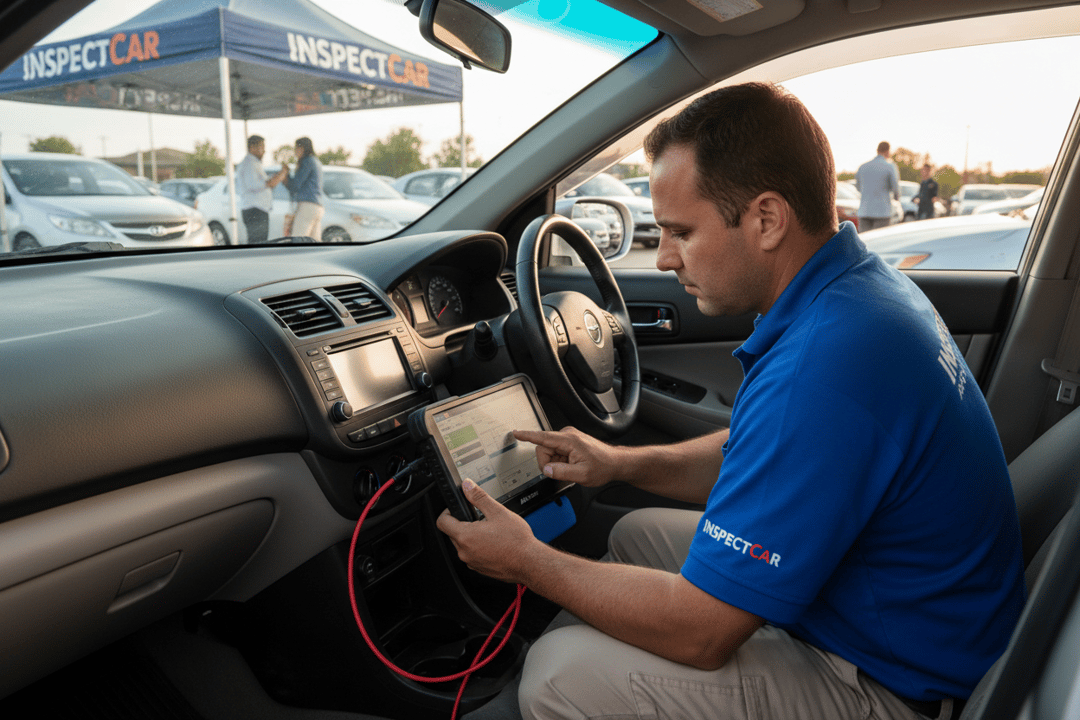
- Computer Diagnostics: An OBD scan retrieves error codes from the engine, transmission, ABS, and airbag systems. This reveals hidden faults that may trigger the "Check Engine" light or cause drivability issues even if the vehicle runs currently.
- Brake System Assessment: Inspectors measure the remaining thickness of brake pads and rotors. Worn brakes compromise stopping distance and can warp rotors quickly, leading to a vibration through the brake pedal.
- Tire and Wheel Analysis: Tires must be checked for manufacturing date, as tires older than six years degrade even if they appear new. The overall alignment is also verified to ensure the vehicle tracks straight.
- Fluid Condition: Engine oil, transmission fluid, coolant, and brake fluid levels are checked. The color and smell of these fluids indicate whether the vehicle has been maintained properly or has been neglected.
- Road Test Performance: The vehicle is driven to evaluate acceleration, braking response, and noise levels. Vibration in the steering wheel or seats often points to driveline problems or tire imbalance.
AutoFay: A Structured Approach to Vehicle Assessment
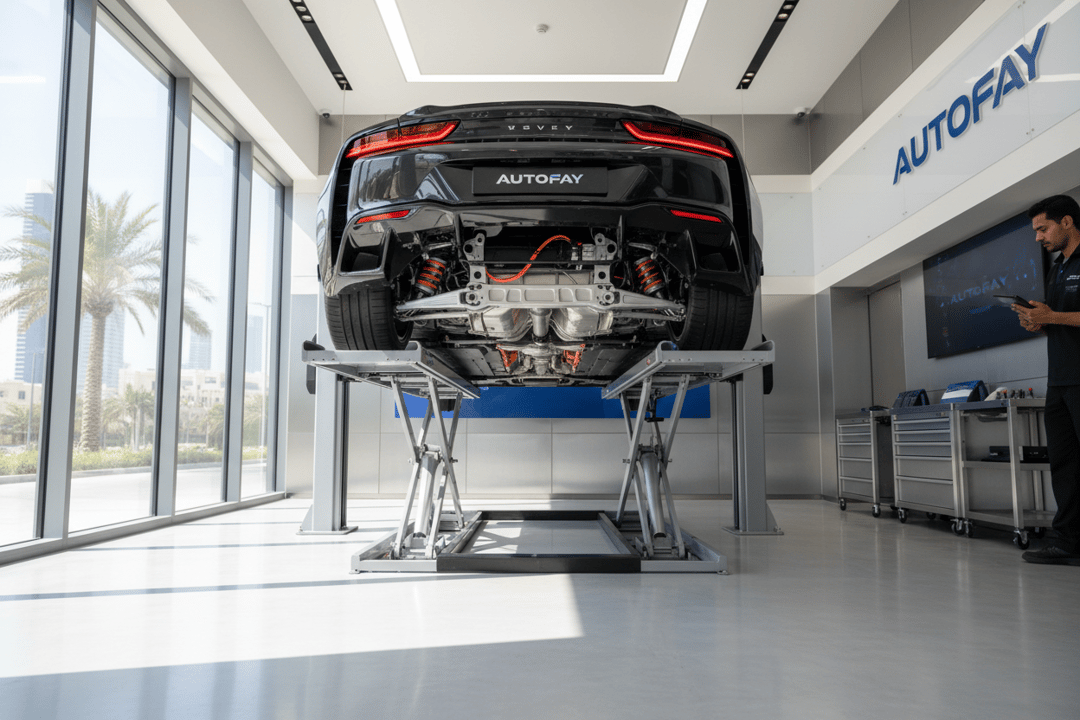
For buyers in the UAE, navigating the used car market requires a standardized approach to valuation. AutoFay provides a rigorous assessment framework designed to identify mechanical and structural faults accurately. The service offers several tiers of inspection to accommodate different budgets and inspection needs, ensuring that buyers do not overpay for a vehicle with undisclosed defects.
| Inspection Package | Price (AED) | Key Focus Areas |
|---|---|---|
| Computer Diagnostic | 99 | Engine and Transmission fault codes via OBD scanner. |
| Body & Computer | 250 | Structural integrity, paint analysis, and mechanical codes. |
| Comprehensive | 399 | Full 410+ checkpoint inspection including fluids, brakes, and road test. |
The "Body & Computer" package at 250 AED is effective for identifying accident damage and electronic faults. It covers panel-by-panel analysis to determine if a vehicle has been repainted or repaired. For a complete picture, the "Comprehensive" package at 299 AED provides a deeper dive. This tier includes a road test to detect drivability issues and a fluid check that reveals the internal health of the engine and transmission.
Red Flags and Financial Consequences
Identifying red flags during a visit is difficult without technical expertise. A vehicle appearing clean on the surface may have underlying issues that manifest immediately after purchase. Common red flags include a burning smell during the test drive, a check engine light that turns off when the ignition is cycled, or excessive play in the steering wheel. These symptoms often indicate expensive repairs that can exceed the value of the vehicle.
Skipping a professional inspection transfers the risk to the buyer. A vehicle with a compromised frame or a failing transmission requires immediate and costly repair. The financial burden of these repairs far outweighs the cost of a pre-purchase inspection. Furthermore, a vehicle with a clean inspection report holds its resale value better and facilitates a smoother transfer of ownership process.
AutoFay inspects 410+ checkpoints with HD photos and PDF report. Book at autofay.ae or call +971542584458


0 Comments
No comments yet. Be the first to share your thoughts!