
The Jaguar XF occupies a unique niche in the UAE luxury market, offering a sophisticated blend of sportiness and comfort that appeals to professionals. However, as a sophisticated piece of engineering, it requires a buyer to look beyond aesthetics and investigate the mechanical health of the vehicle. The pre-purchase inspection process for a used XF must be rigorous to identify underlying issues that may not be immediately visible. A standard walk-around is insufficient; a thorough evaluation requires understanding the specific failure points associated with this model generation. This guide details the critical areas inspectors scrutinize and the specific red flags associated with the Jaguar XF.
Common Mechanical Weaknesses in the Jaguar XF
The Jaguar XF is powered predominantly by two engine variants: the capable Ingenium petrol and the capable Supercharged V6. Both systems share a common vulnerability related to their transmission and cooling architecture. The ZF 8-speed automatic transmission in these vehicles can exhibit "shudder" or hesitation during light throttle applications, particularly when the transmission fluid is degraded. If this issue is ignored, it can lead to costly transmission replacements or software recalibrations. Furthermore, the cooling system is prone to aging; the radiator and thermostat housing are frequent failure points that can lead to overheating, which poses a severe safety risk.
Another significant mechanical concern involves the timing chain tensioners. On high-mileage examples, these components can stretch, leading to rattling noises from the engine bay. This condition can escalate into catastrophic engine failure if not addressed promptly. Inspectors must look for signs of engine misfires, which may indicate spark plug or coil pack issues, as these components are prone to wear over time. The consequences of neglecting these mechanical faults extend beyond immediate repair bills; they compromise the vehicle's reliability and resale value in the long term.
The Engine Bay and Under-Carriage Inspection
When an inspector opens the bonnet of a Jaguar XF, the first areas of focus are the vapor canister and oil seals. The charcoal canister is notorious for cracking, leading to fuel vapors escaping into the atmosphere, which triggers the check engine light and fails emission tests. Simultaneously, the engine mounts can deteriorate, causing excessive vibration to be transmitted into the cabin during idle. This vibration is not merely a comfort issue; it indicates that the powertrain is not isolated properly, placing undue stress on the drivetrain components.
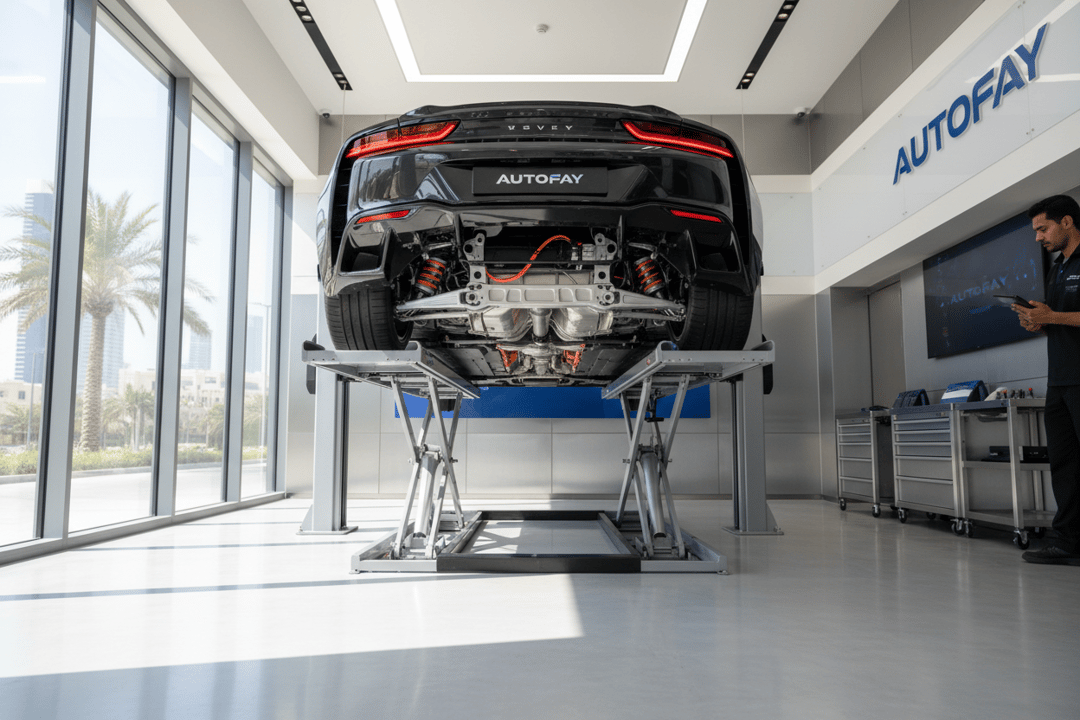
Underneath the vehicle, the subframes require close examination. The XF is susceptible to corrosion, particularly around the mounting points for the subframes and suspension arms. Rust here can weaken the structural integrity of the chassis, making future repairs hazardous. Inspectors also check the differential and driveshaft for leaks, as the rear axle seal is a common failure point in this model. Addressing these under-carriage issues early prevents the propagation of damage to other critical systems, ensuring the vehicle remains safe on UAE roads.
Electrical Systems and Diagnostic Readings
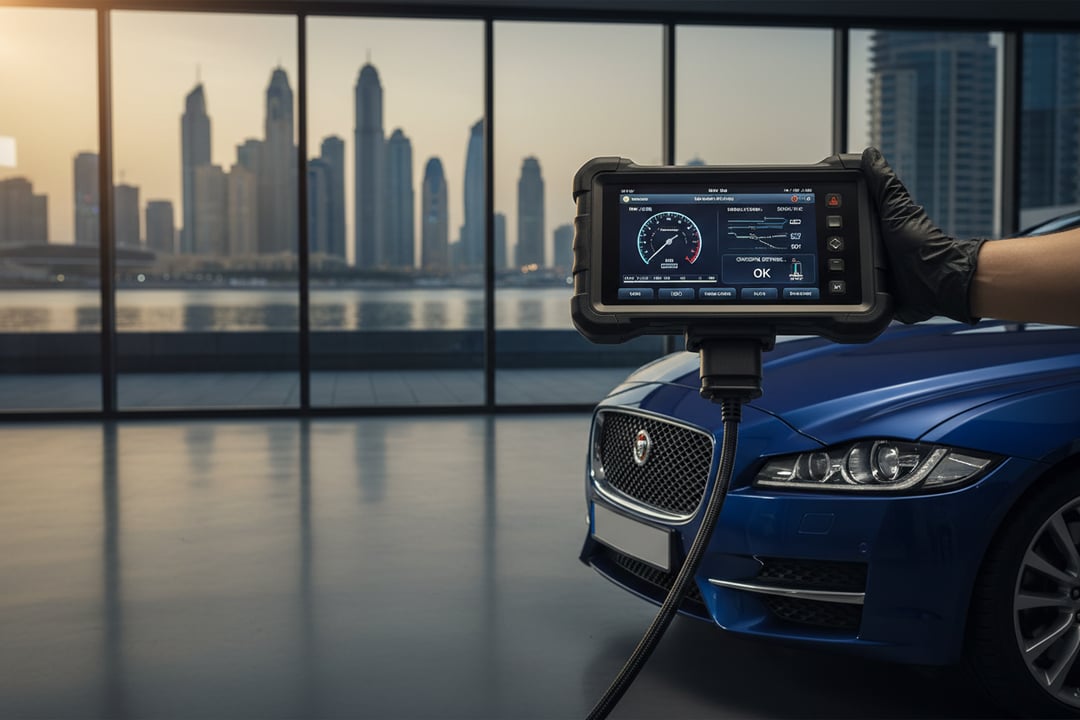
Modern luxury vehicles are defined by their electronics, and the Jaguar XF is no exception. The infotainment system and driver assistance sensors are prone to electronic glitches, ranging from unresponsive touchscreens to erratic parking sensor behavior. However, the most critical diagnostic tool is the On-Board Diagnostics (OBD) scan. A proper inspection involves connecting a scanner to retrieve live data and fault codes. This process reveals hidden problems, such as oxygen sensor failures or airbag module faults, that the driver may not be aware of.
Ignoring electrical faults can lead to a cascade of warning lights and increased fuel consumption. For instance, a malfunctioning throttle body can cause the engine to run lean or rich, leading to poor performance and increased emissions. A comprehensive inspection ensures that all electronic modules are communicating correctly. This step is essential for verifying that the vehicle has not been in a previous accident that triggered airbag deployment or damaged ABS sensors, which are complex and expensive to replace.
Structural Integrity and Exterior Finish
Beyond the mechanics, the physical structure of the Jaguar XF must be sound. Panel alignment is a critical indicator of prior repair work. Gaps between doors, the hood, and the trunk should be uniform and consistent with the manufacturer's factory specifications. Significant deviations suggest that the vehicle may have been in a collision and poorly repaired, or that the door hinges and latches have been replaced with non-OEM parts. These discrepancies can lead to water ingress and wind noise, diminishing the cabin environment.
The paintwork provides clues about the car's history, particularly regarding accident damage. Inspectors look for mismatched paint shades, orange peel texture, or signs of overspray on rubber trim. A common issue is the deterioration of the clear coat, leading to a dull, chalky finish that is difficult to restore. Furthermore, the condition of the alloy wheels reveals how the vehicle has been treated; bent rims or curb rash indicate hard cornering and parking, which can lead to alignment issues down the line.
The AutoFay Inspection Protocol
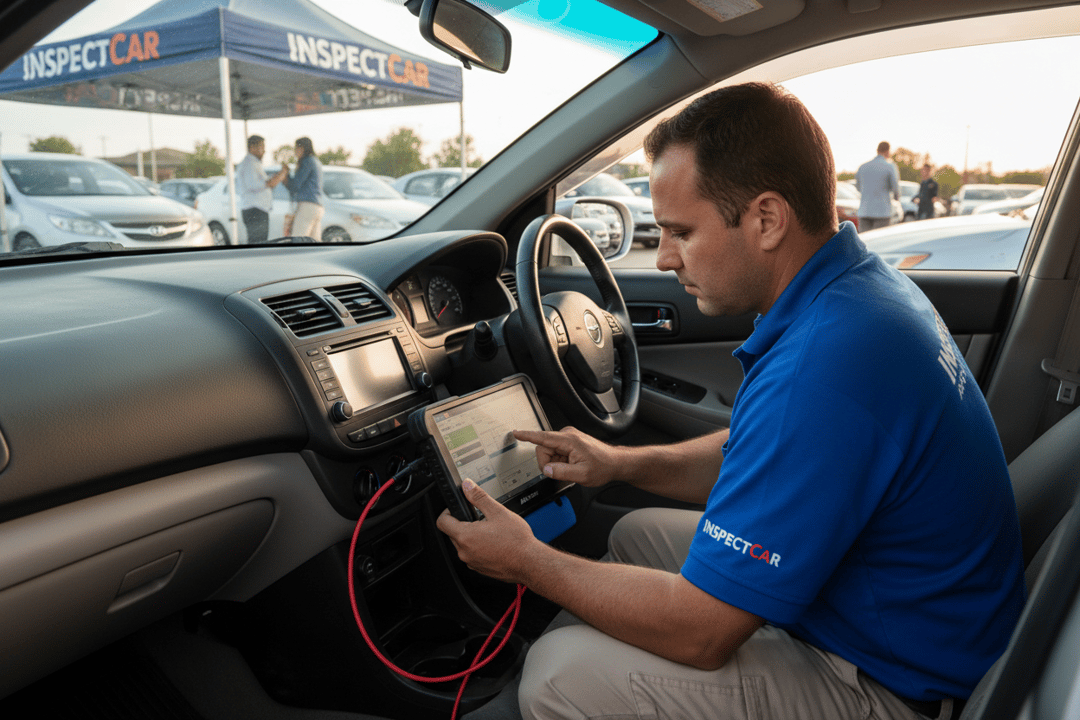
Given the complexity of the Jaguar XF, a professional inspection service is the only reliable method to verify its condition before purchase. AutoFay provides an on-location vehicle inspection service across all 7 Emirates, bringing the workshop to the buyer. The inspection process covers 410+ checkpoints across 25 distinct categories to ensure a holistic evaluation. The service is designed to be transparent and informative, providing the buyer with a clear understanding of the vehicle's health.
Inspection packages are tailored to the specific needs of the buyer. The Computer Diagnostic package, priced at AED 99, focuses solely on retrieving fault codes for the engine, transmission, ABS, and airbag systems. This is the minimum necessary step to identify electronic errors. For a more detailed look at the vehicle's condition, the Body & Computer package at AED 250 adds a comprehensive examination of the bodywork, paint, frame, and pillars alongside the diagnostic scan. The most thorough option is the Comprehensive package at AED 299, which includes road testing, brake pad analysis, tire condition checks, fluid levels, and suspension evaluation.
| Inspection Package | Price | Included Scope |
|---|---|---|
| Computer Diagnostic | AED 99 | OBD Scan (Engine, Trans, ABS, Airbag Codes) |
| Body & Computer | AED 250 | Panels, Paint, Frame, Pillars, OBD Scan |
| Comprehensive | AED 299 | Road Test, Brakes, Tires, Fluids, Suspension, 25 Categories |
Critical Red Flags for the Jaguar XF
When evaluating a used Jaguar XF, certain specific red flags demand immediate attention. The first is water ingress in the trunk or rear footwells. The Jaguar XF is known for defective trunk seals that allow water to enter the boot, which can lead to electrical short circuits in the rear lighting and seat mechanisms. This issue requires a thorough water test and electrical inspection to prevent mold and corrosion.
Another major red flag is the smell of coolant inside the cabin. A sweet smell indicates a leaking heater core, which involves dismantling the dashboard for repair. This is a labor-intensive and expensive fix. Additionally, listen for a rhythmic knocking coming from the suspension. The XF often uses adaptive dampers, and if the struts fail, the car will ride roughly and potentially break down. A comprehensive inspection with a road test is the only way to verify the suspension's health.
AutoFay inspects 410+ checkpoints with HD photos and PDF report. Book at autofay.ae or call +971542584458


0 Comments
No comments yet. Be the first to share your thoughts!