

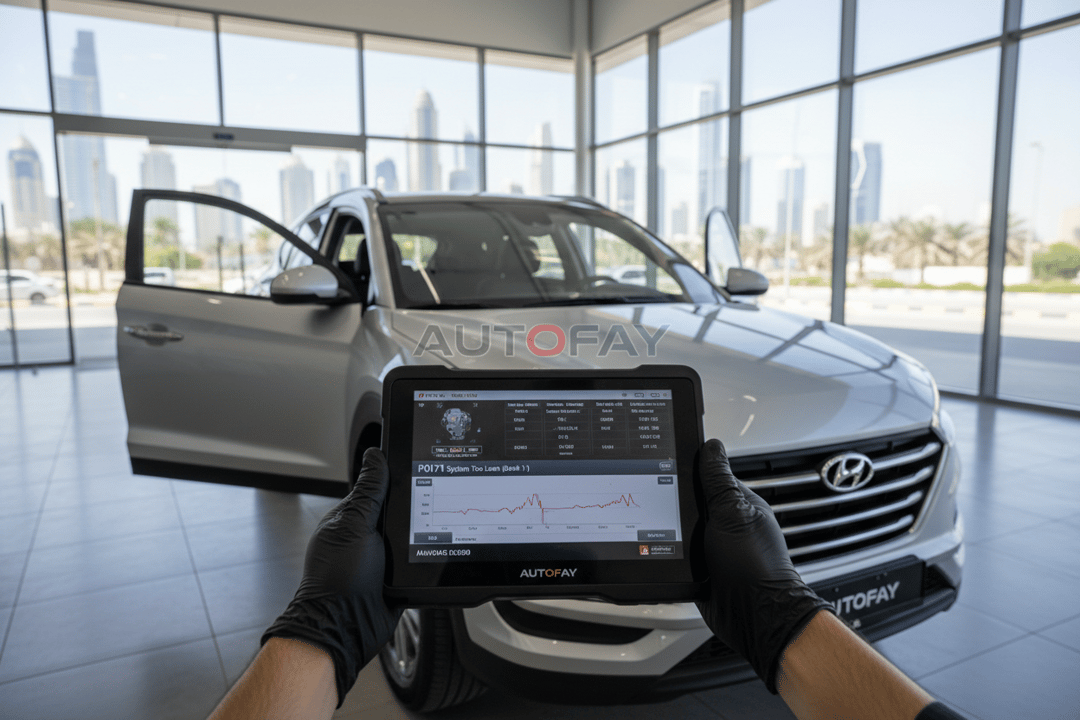
The Hyundai Tucson has established itself as a dominant player in the UAE's SUV market, offering a blend of practicality, comfort, and modern design. However, purchasing a used vehicle requires a disciplined approach to uncover potential defects that may not be visible during a casual walk-around. As a experienced inspector, I advise buyers to prioritize mechanical integrity over cosmetic appeal. This guide details the specific vulnerabilities of the Tucson and how a professional inspection mitigates financial risk.
Mechanical Reliability: Engine and Transmission Concerns
The 2.0L CRDi and 2.0L Turbocharged engines are the powerplants most commonly found in this model. While generally robust, these units suffer from specific age-related failures. One primary concern is the timing chain tensioner, which can degrade over time. If this component fails, the timing chain may stretch or skip, leading to catastrophic engine failure. Ignoring the early warning signs of timing chain rattle during a test drive often results in engine replacement costs that exceed the vehicle's resale value.
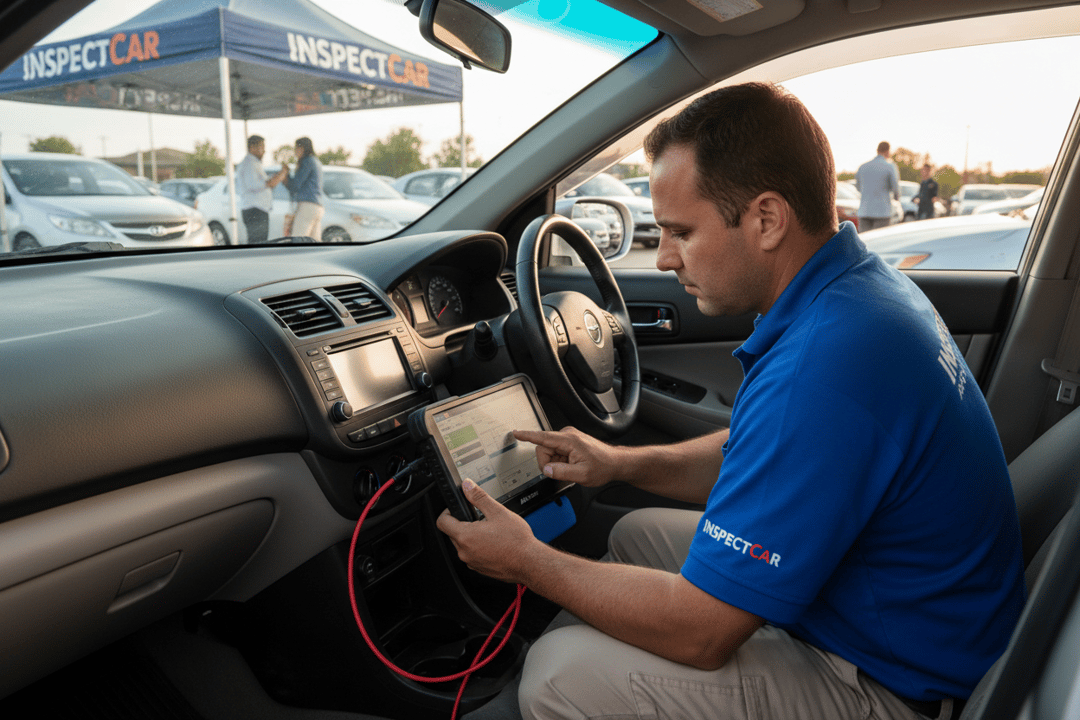
Oil consumption is another frequent issue, particularly in higher-mileage units. Inspectors must verify if the vehicle requires frequent top-ups between oil changes. This condition usually indicates worn piston rings or valve guides. An OBD scan is essential to check for stored fault codes related to the camshaft or crankshaft position sensors, which directly correlate with engine synchronization.
For automatic transmission models, the torque converter can develop wear over years of stop-and-go traffic in urban centers like Dubai or Abu Dhabi. Symptoms include harsh shifting, delayed engagement from 'Park' to 'Drive', or shuddering at highway speeds. Failure to address transmission fluid degradation can lead to complete transmission lock-up, rendering the vehicle undrivable.
Suspension and Drivetrain Fatigue
The UAE’s road infrastructure, characterized by uneven speed bumps and temperature fluctuations, accelerates suspension wear. The most significant vulnerability in the Tucson is the Electro-Hydraulic Suspension, found on certain trims. This system utilizes a hydraulic pump to adjust ride height based on load and driving mode. These pumps are known to fail prematurely due to oil leakage or seal degradation. If the suspension fails, the vehicle may sag at the rear, affecting load-carrying capacity and stability.
Inspectors should check the CV boots and axles for tears or grease leakage. A torn CV boot allows dirt and moisture to enter the joint, causing the axle to seize or clunk during turns. Additionally, worn sway bar links and bushings produce a metallic clunking noise when driving over rough patches. These components affect cornering stability and tire wear patterns.
Electrical System and Sensor Health
Hyundai vehicles are increasingly reliant on complex electronic control units (ECUs). The Tucson is prone to dashboard warning lights related to the Electronic Stability Control (ESC), Anti-lock Braking System (ABS), and airbag modules. A faulty wheel speed sensor can trigger the ABS light and cause the traction control to disengage, compromising safety during adverse weather conditions.
The infotainment system is another common point of failure, often displaying glitches, unresponsive touchscreens, or audio dropouts. Beyond comfort issues, a malfunctioning dashboard cluster can lead to inaccurate speed readings and failed emissions tests. It is critical to verify that all airbags and seatbelt pretensioners have no stored crash codes, as replacement airbag modules are expensive and require specific recalibration.
AutoFay Inspection Packages
Professional inspection services provide a structured approach to vehicle vetting. AutoFay offers three distinct packages designed to cover various levels of scrutiny. Choosing the appropriate package determines the depth of the diagnostic scan and the physical examination required.
| Package Name | Price (AED) | Primary Inclusions |
|---|---|---|
| Computer Diagnostic | 99 | OBD scan for engine, transmission, ABS, and airbag fault codes. |
| Body & Computer | 250 | Includes computer diagnostic plus a visual body and paint integrity check. |
| Comprehensive | 399 | Full 410+ checkpoint inspection across all systems, including frame and road test. |
The Comprehensive Package at 299 AED is recommended for high-mileage vehicles or those with significant service history gaps. This on-location package covers all seven Emirates, ensuring a professional inspector visits the vehicle location.
Detailed Inspection Categories
A thorough inspection goes beyond the engine and suspension; it evaluates the vehicle's safety systems and structural health. Here are the critical categories covered during a professional assessment:
- Body and Paint: Inspectors use a gloss meter to detect panel-by-panel repainting. Uneven paint textures or mismatched color codes suggest previous accidents.
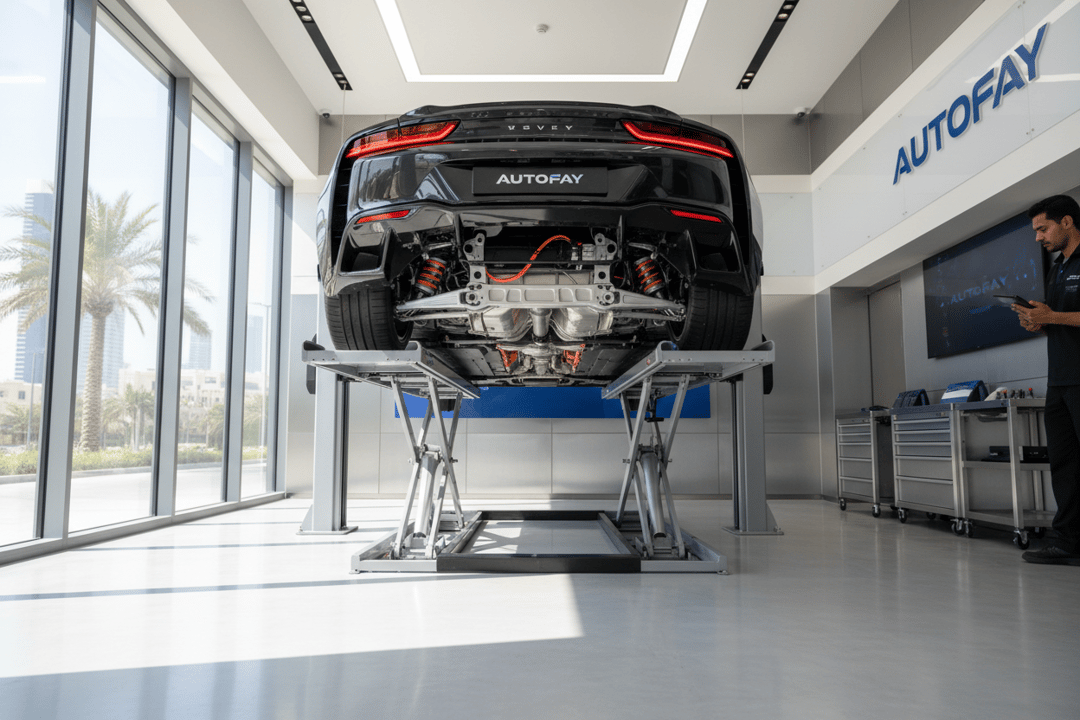
- Frame and Structure: Damage to the unibody frame alters the vehicle’s alignment and safety metrics. Inspectors check the rails, pillars, and floor pan for signs of welding or stress.
- Brakes and Tires: Brake pad percentage ratings determine the immediate replacement cost. Tires are checked for manufacturing date; tires older than six years should be replaced regardless of tread depth due to rubber degradation.
- Suspension and Steering: A road test evaluates acceleration, braking, and noise levels. Vibration in the steering wheel indicates tie rod or bearing issues, while abnormal noise suggests strut or shock absorber failure.
- Fluids: Engine oil condition reveals sludge buildup. Coolant and brake fluid condition indicates the maintenance history and the risk of overheating or brake fade.
Road Test and Fluid Analysis
The road test component is non-negotiable for a used vehicle purchase. An inspector must listen for abnormal noises—such as ticking, knocking, or whining—while accelerating. The brakes must be tested for linear stopping power; any pulsation in the pedal indicates warped brake rotors.
Fluid analysis often reveals more than the eye can see. Dark, gritty engine oil indicates a lack of proper maintenance. Milky residue on the oil cap suggests a blown head gasket, which is a very expensive repair. Brake fluid should be clear or light amber; dark brown fluid absorbs moisture, leading to internal corrosion in the brake lines and reduced braking performance.
Utilizing a service like AutoFay provides a digital report with HD photos documenting all findings. This documentation is vital for negotiating the vehicle's price or understanding the true cost of ownership before signing the transfer papers. Do not rely on verbal assurances from the seller when the vehicle's safety is at stake.
AutoFay inspects 410+ checkpoints with HD photos and PDF report. Book at autofay.ae or call +971542584458



0 Comments
No comments yet. Be the first to share your thoughts!