

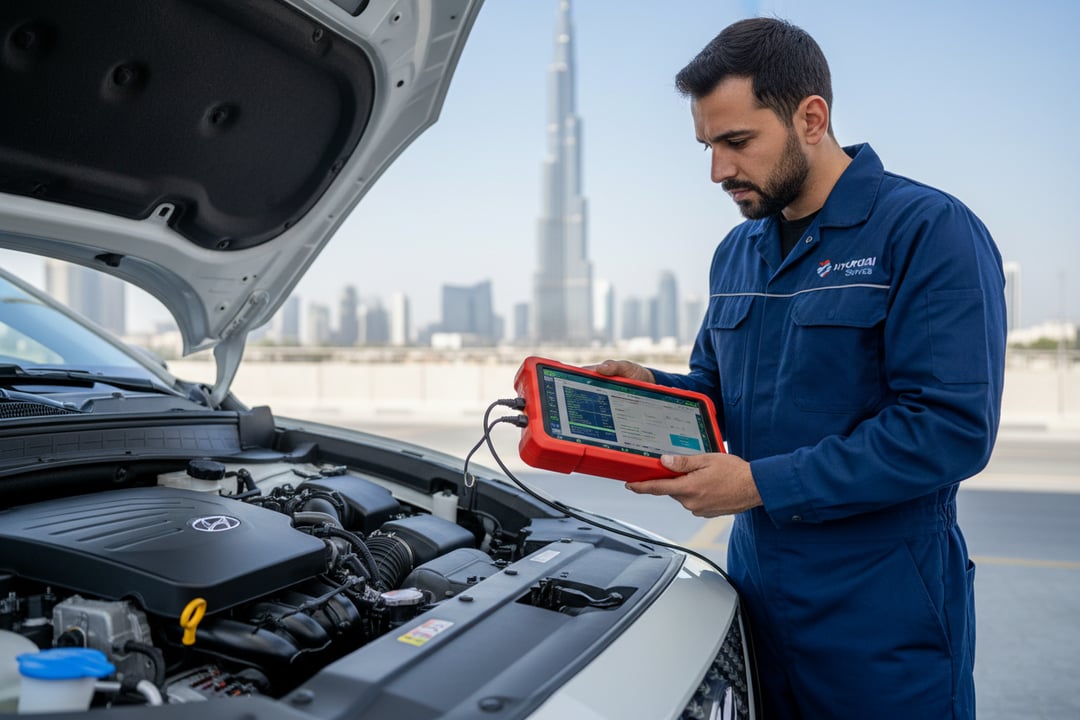
The Hyundai Kona has established a strong foothold in the UAE market, offering a versatile range of petrol, hybrid, and electric powertrains. However, the diverse technical specifications across different model years mean that a generic visual inspection is insufficient. A professional inspection reveals the vehicle's true mechanical health, preventing future ownership of a compromised asset. Understanding the specific vulnerabilities of this model is essential for buyers in the region.
Common Mechanical Weaknesses in UAE Climates
The intense heat and varying driving conditions in the UAE accelerate specific wear patterns in the Kona. Ignoring minor issues early leads to significant failures that compromise safety and vehicle longevity. Inspectors must pay particular attention to three critical areas: the hybrid battery system, cooling components, and electrical wiring.
- Hybrid/Electric Battery Health: For HEV or EV variants, the battery pack is the most expensive component. In hot climates, cells can degrade faster than average. A failing battery results in reduced range and increased fuel consumption, eventually making the vehicle unrecoverable.
- Cooling System Failure: High temperatures place a heavy load on the radiator and water pump. A leak here leads to engine overheating, which can cause head gasket failure and warping of the cylinder head.
- Transmission Issues: Some Kona models utilize a Dual-Clutch Transmission or CVT. Slipping or delayed engagement indicates internal wear that requires a complete transmission rebuild.
Technical Categories Inspectors Examine
A professional inspection covers a wide spectrum of mechanical and structural elements to ensure the vehicle is roadworthy. This exhaustive process covers 250+ distinct checkpoints across 25 categories. Inspectors verify that every component functions within manufacturer specifications.
- Body and Paint Integrity: This involves a panel-by-panel analysis to determine if panels are original or replaced. Repainted areas suggest prior accidents, and misaligned panels indicate poor repair quality.
- Frame and Structure: Technicians check the chassis rails, pillars, and floor pan for rust or impact damage. Structural damage compromises the safety cage and can lead to alignment issues.
- Engine and Mounts: The inspection includes listening for abnormal noises and checking for fluid leaks under the engine block. Worn engine mounts cause excessive vibration transmitted to the steering wheel and chassis.
- On-Board Diagnostics (OBD): Technicians connect the vehicle to a computer to read error codes for the engine, transmission, ABS, and airbag systems. This step often uncovers hidden faults not visible to the naked eye.
- Braking System: The condition of brake pads and rotors is rated on a percentage basis. Worn components shorten stopping distances and increase the risk of brake failure.
- Suspension and Tires: Inspectors inspect shock absorbers for leaks and test the suspension for excessive bounce. Tires are checked for manufacturing age, as rubber degrades over time regardless of tread depth.
- Fluids and Condition: Engine oil, coolant, brake fluid, and power steering fluid levels are checked. The color and smell of these fluids reveal the internal health of the engine and transmission.
Red Flags Specific to the Kona Platform
Certain warning signs are particularly prevalent in the Hyundai Kona and should trigger immediate rejection of the vehicle. These indicators suggest that the vehicle has been subjected to harsh conditions or neglect. Buyers must remain vigilant for these specific symptoms during the evaluation process.
- White or Blue Exhaust Smoke: White smoke indicates coolant burning, suggesting a cracked head or blown gasket. Blue smoke signifies burning oil, pointing to piston ring or valve seal failure.
- Battery Degradation: If the hybrid battery warning light illuminates on the dashboard, the Kona may require an expensive replacement or refurbishment.
- Milky Oil: If engine oil appears milky or frothy, it indicates coolant contamination, usually caused by a failing head gasket.
- Tire Age: Tires over five years old risk cracking and blowouts. The sidewall includes a DOT code indicating the week and year of manufacture.
Choosing the Right Inspection Service
Reliability requires a service that offers comprehensive coverage across the seven Emirates. Standard mechanics may overlook critical nuances that a specialized inspection identifies. Selecting a provider with an established reputation ensures that the inspection report is accurate and legally defensible.
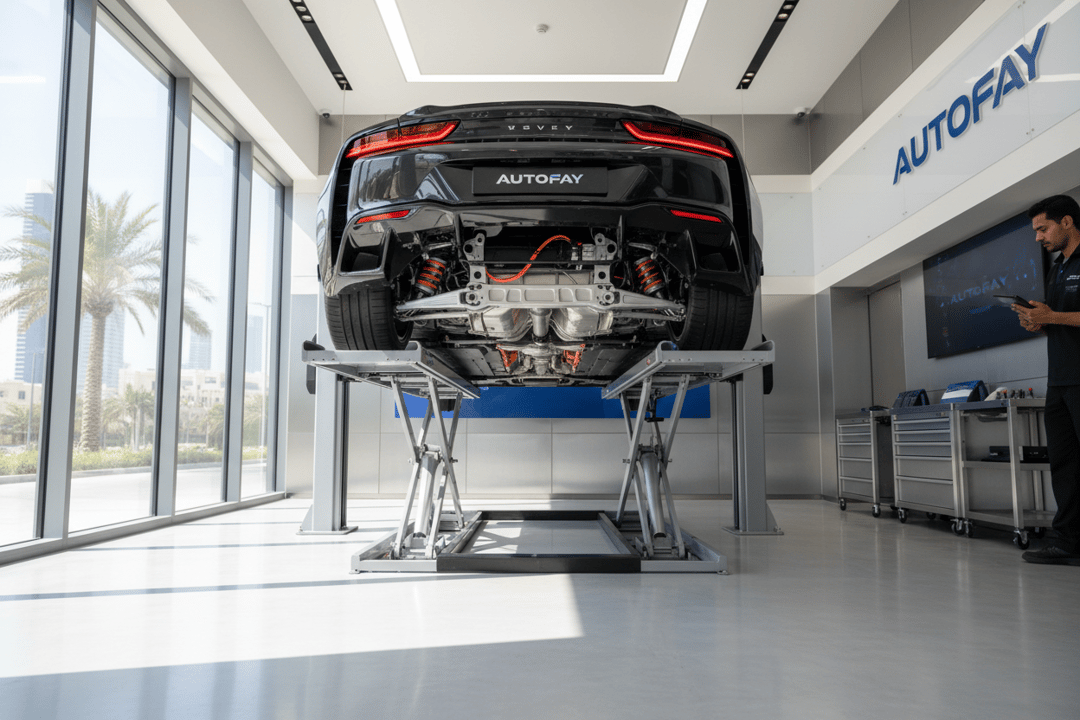
AutoFay provides a on-location inspection service that brings the inspection bay to the buyer, eliminating the need to transport the vehicle. They offer three distinct packages tailored to different levels of scrutiny. The Computer Diagnostic service costs AED 99 and covers engine, transmission, ABS, and airbag codes. The Body & Computer package is priced at AED 250 and adds a detailed panel-by-panel body and paint assessment. For the highest level of security, the Comprehensive package is available for AED 299. This tier includes a five-point road test and a full mechanical and structural audit.
| Inspection Package | Price (AED) | Key Inclusions |
|---|---|---|
| Computer Diagnostic | 99 | OBD Scan (Engine, Trans, ABS, Airbag) |
| Body & Computer | 250 | Panel-by-panel body check + OBD Scan |
| Comprehensive | 399 | Full mechanical audit, frame check, and road test |
Investing in a professional inspection mitigates the risk of purchasing a vehicle with concealed defects. The detailed report provides proof of the vehicle's condition, protecting the buyer from future liabilities. A verified history allows the buyer to negotiate confidently or walk away from a bad deal.
AutoFay inspects 410+ checkpoints with HD photos and PDF report. Book at autofay.ae or call +971542584458




0 Comments
No comments yet. Be the first to share your thoughts!