

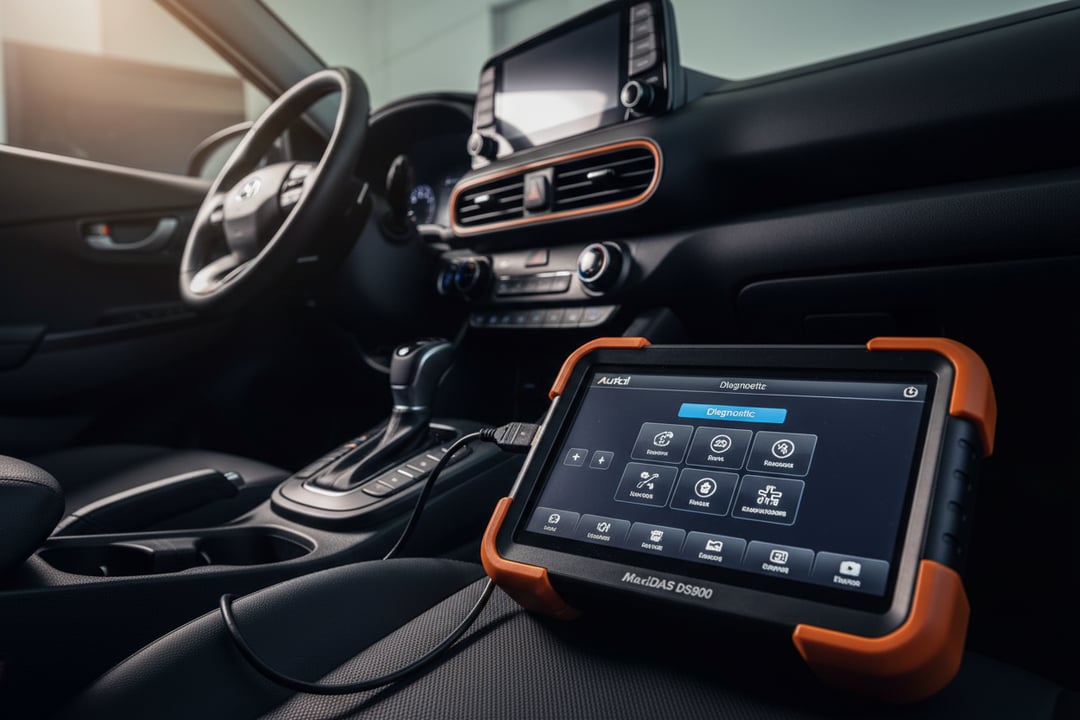
The Hyundai Kona has established itself as a compact SUV that competes on practicality and technology. However, in the context of the UAE market, the vehicle faces specific operational stresses that differ significantly from temperate climates. When inspecting a pre-owned Kona, an experienced professional must look beyond cosmetic condition and evaluate how the local environment has impacted mechanical integrity. High ambient temperatures, abrasive desert sand, and stop-and-go traffic create a trifecta of stressors that accelerate wear on critical systems. A thorough assessment requires a technical eye to identify failures that are symptomatic of this harsh climate.
Engine Performance and Thermal Stress
The internal components of the Kona’s engine are subjected to extreme thermal loads in the UAE summer. One of the most critical checkpoints involves checking the coolant system, which must be evaluated for leaks and the integrity of rubber hoses. Over time, heat causes rubber components to degrade and crack, leading to coolant loss. If the vehicle has not been serviced to manufacturer specifications, the cooling system may be compromised, resulting in overheating. An engine operating at temperatures above its design threshold loses efficiency and is at immediate risk of significant failure.
Oil degradation is another prevalent issue in this climate. The intense heat causes engine oil to oxidize and break down faster than it would in cooler regions. An inspector must verify the oil’s condition through the vehicle's dipstick and the oil filler cap. Signs of carbon buildup or a gritty texture indicate that the oil has not been changed frequently enough to handle the thermal stress. Furthermore, the engine mounts must be inspected for cracks, as severe heat can weaken the rubber isolators, leading to excessive engine vibration transmitted into the cabin.
Smoke during startup or under load is a definitive indicator of internal engine distress. Blue smoke suggests burning oil, while white smoke often points to a blown head gasket caused by thermal expansion and contraction cycles. These failures prevent the engine from realizing its full power potential and can lead to severe engine damage if left unaddressed.
Transmission Behavior in High-Temperature Environments
Transmission health is often compromised by the unique traffic patterns and temperatures found in UAE cities. Many Kona models utilize a Continuously Variable Transmission (CVT) or a Dual-Clutch Transmission (DCT). Both systems are sensitive to heat buildup, especially in stop-and-go traffic where the vehicle spends prolonged periods in neutral or low gear with high engine RPMs. The transmission fluid acts as both a coolant and a lubricant; under high thermal stress, this fluid can break down, losing its ability to protect internal gears and clutches.
During a road test, a failing transmission will typically exhibit hesitation, slippage, or a "jerk" when shifting gears. The vehicle may accelerate slowly despite high engine revs, which is a characteristic symptom of a slipping clutch pack or worn transmission bands. In the UAE context, where air conditioning is essential for comfort, the added electrical load further strains the transmission, exacerbating any pre-existing weaknesses. If the transmission fluid appears dark or smells burnt, it is a clear sign of internal friction that requires immediate attention to prevent complete drivetrain failure.
Electrical System Reliability
The electrical architecture of the modern Kona is complex, relying on numerous sensors and control modules to manage performance and safety. The high ambient temperature accelerates the aging of electronic components and can cause solder joints on circuit boards to become brittle and crack. This thermal cycling affects everything from the infotainment system to the critical engine control units. A vehicle that has struggled with electrical gremlins in the past is highly likely to experience further failures due to the heat.
One of the most common electrical complaints involves sensor malfunctions, particularly those related to the anti-lock braking system (ABS) and the electronic stability program. These sensors are often mounted near the wheels, where they are exposed to road salt, dirt, and moisture. Corrosion on the sensor connectors can lead to erratic braking behavior or warning lights on the dashboard. A Computer Diagnostic scan is essential to retrieve these error codes, as the vehicle's computer will record specific faults that are not visible to the naked eye.
Furthermore, the battery health is often overlooked but is vital for starting reliability in the extreme heat. High temperatures can cause battery fluid to evaporate, leading to sulfation and reduced cranking power. A battery that struggles to hold a charge or takes a long time to start may fail at the most inconvenient moment, leaving the driver stranded.
Suspension and Chassis Integrity
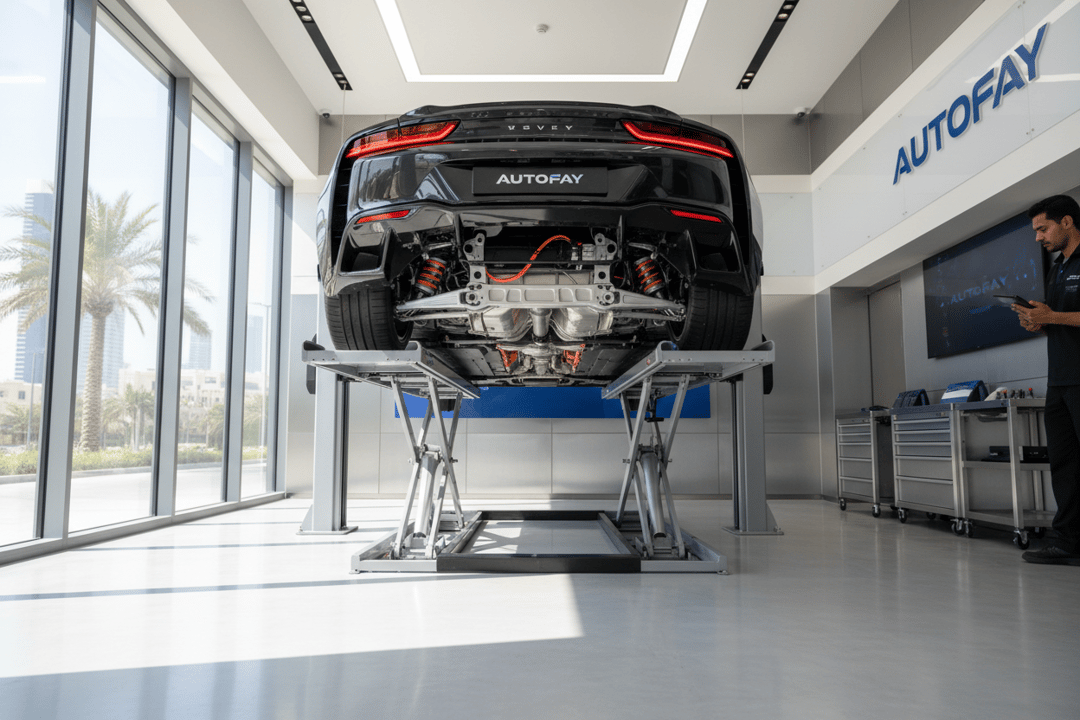
UAE road surfaces, particularly the rough patches and uneven expansions joints common in urban development, place significant stress on the suspension system. The suspension components of a used Kona must be inspected for wear on ball joints, tie rods, and control arms. In the desert environment, fine sand particles act like abrasive sandpaper, accelerating the wear on suspension bushings and lubricated joints. A visual inspection must look for play in the steering wheel when the vehicle is lifted, which indicates worn tie rod ends.
Shock absorbers and struts are critical for vehicle stability and ride comfort. Over time, exposure to heat and road shock reduces their ability to dampen road imperfections. A worn suspension will result in a bouncy ride and increased stopping distances, as the tires lose contact with the road surface during heavy braking. The condition of the tires should also be cross-referenced with the manufacturing date, as older tires can be dangerous in the sudden desert dust storms that reduce visibility and traction.
The Value of Professional Inspection Services
Visual inspections are rarely sufficient to uncover the hidden issues that plague used vehicles in the UAE market. A professional inspection service provides a holistic view of the vehicle's condition through a rigorous process. This involves a physical examination of the Body & Paint to identify previous accidents or panel-by-panel damage that could affect structural integrity. Inspectors must check the frame rails and floor pans for signs of rust or collision repair, which are critical safety concerns.
On-location inspection services are particularly advantageous in the UAE, covering all seven emirates. By utilizing advanced diagnostic tools, inspectors can connect the vehicle's onboard computer to read real-time data from the engine, transmission, ABS, and airbag systems. This step is vital for identifying latent faults that only appear under load or specific temperature conditions. Without a comprehensive scan, a buyer might purchase a vehicle that appears mechanically sound on a cold start but fails within weeks of purchase due to a hidden transmission fault or electrical glitch.
| Package | Price (AED) | Key Focus Areas |
|---|---|---|
| Computer Diagnostic | 99 | Engine codes, transmission faults, ABS, airbag errors. |
| Body & Computer | 250 | Panel-by-panel paint check, dents, computer fault retrieval. |
| Comprehensive | 399 | 410+ checkpoints, frame integrity, fluids, brakes, road test. |
Conclusion
Purchasing a pre-owned Hyundai Kona in the UAE requires a rigorous approach to identify the impact of local environmental factors. From thermal stress on the engine and transmission to the corrosive effects of sand on the suspension and electronics, the risks are specific to this region. A standard walk-around is insufficient to mitigate these risks. Professional inspection services provide the technical expertise necessary to verify the vehicle's condition before a financial commitment is made.
AutoFay inspects 410+ checkpoints with HD photos and PDF report. Book at autofay.ae or call +971542584458




0 Comments
No comments yet. Be the first to share your thoughts!