

The Hyundai Ioniq 5 represents a pivotal shift in electric vehicle design, combining retro-futuristic aesthetics with cutting-edge 800-volt architecture. For buyers in the UAE, this model offers efficiency and range, but its unique powertrain components require a specialized approach to inspection. Unlike traditional internal combustion vehicles, the Ioniq 5 relies heavily on complex cooling loops, advanced battery management systems, and electric traction motors. A standard visual check is insufficient for uncovering latent issues that could lead to costly downtime. A professional pre-purchase inspection must target the specific vulnerabilities of this EV platform to ensure long-term reliability.
The 800-Volt Architecture Battery Pack
The defining feature of the Hyundai Ioniq 5 is its high-voltage battery pack, which supports rapid charging and efficient power delivery. This pack is not a simple battery; it is an integrated system involving liquid cooling plates that circulate coolant directly through the cells to maintain optimal temperatures. Inspectors must verify that these cooling loops are free from blockages or leaks. A compromised cooling system can lead to thermal throttling, where the vehicle reduces power to prevent overheating, significantly diminishing range and performance.
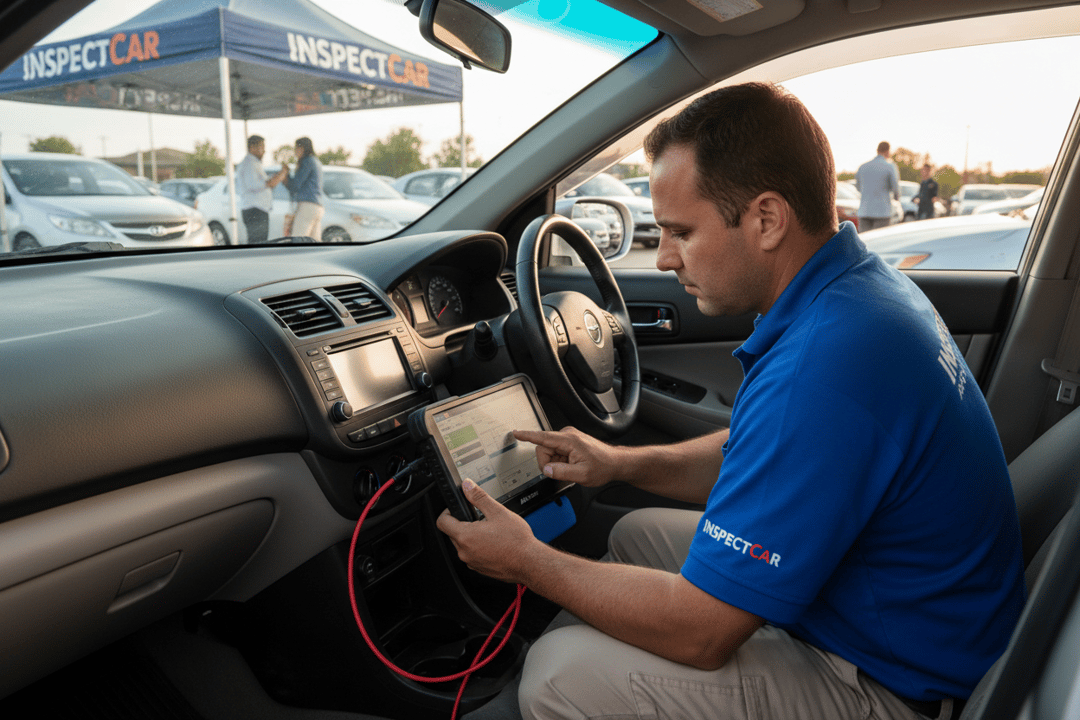
Furthermore, the Battery Management System (BMS) acts as the brain of the operation. During an inspection, technicians use an On-Board Diagnostics (OBD) scan to retrieve battery health data. This data reveals the state of health (SOH) and the capacity of individual cells. If the BMS detects an imbalance between cells, it triggers a warning light or limits charging speed. Ignoring a software calibration error in the BMS can result in permanent capacity loss over time.
Inspectors also examine the high-voltage cables for physical damage. The insulation on these cables is robust, but nicks from road debris or improper handling during previous maintenance can expose the conductors. Exposure creates a severe safety hazard and can lead to electrical arcing or short circuits, requiring complete replacement of the cable assembly, which is a labor-intensive procedure.
Traction Motor and Gearbox Health
The Ioniq 5 employs an efficient electric motor that delivers instant torque, but it lacks a traditional transmission with gears. This simplicity offers reliability, yet it introduces specific wear points that require scrutiny. The most critical component to check is the traction motor mount. Because these motors produce significant vibration, the rubber isolators eventually degrade. If the mounts fail, the motor transfers excessive vibration into the chassis, causing noticeable NVH (Noise, Vibration, Harshness) at idle or low speeds.
Inspectors listen for unusual noises during the road test. A grinding or whining sound from the rear of the vehicle often indicates bearing wear in the rear axle assembly or the traction motor itself. Since there is no transmission fluid to check, the focus shifts to the inverter and the DC-DC converter. These components handle the conversion of high voltage to low voltage for the vehicle’s electronics. A failing inverter can cause electrical glitches, including intermittent loss of power steering or infotainment system failure.
Suspension and Chassis Compliance
The Ioniq 5 features a long wheelbase and a low center of gravity, contributing to its stable handling. However, the independent rear suspension setup is complex and differs significantly from traditional sedan layouts. Inspectors must check the rear control arms and bushings for cracks or excessive play. Worn bushings allow the suspension to move out of alignment, leading to uneven tire wear patterns and a drifting sensation during cornering.
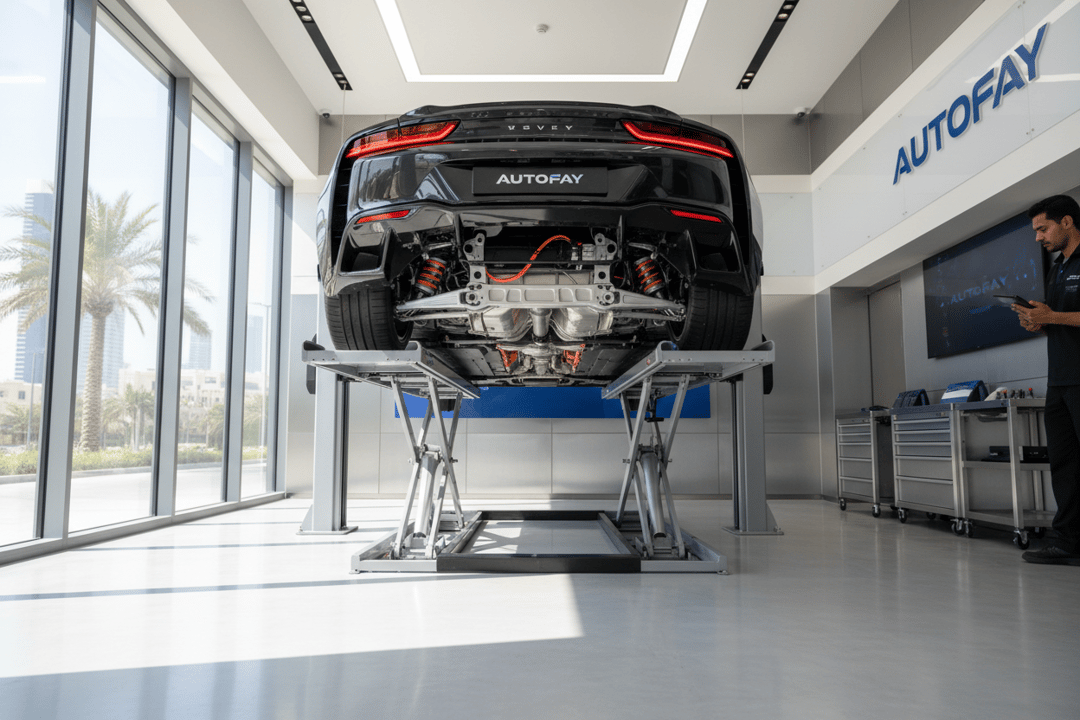
The front suspension utilizes MacPherson struts, which are generally durable but prone to wear on the upper mounts and ball joints. In the UAE climate, exposure to sand and salt can accelerate corrosion on the chassis rails. A thorough inspection involves lifting the vehicle to inspect the frame rails, pillars, and floor pan for rust or accident damage. Even minor corrosion on the structural components can weaken the vehicle's integrity, especially important given the high speeds driven on UAE highways.
Common Red Flags for Ioniq 5 Models
When evaluating a used Ioniq 5 in the UAE market, certain issues appear with alarming frequency and must serve as immediate red flags. One major concern is water intrusion near the rear electronics. Due to the car's low ground clearance, drainage areas at the bottom of the rear bumper can become clogged with sand and debris. If these drains block, water can pool and seep into the rear electrical harnesses, leading to short circuits in the sensors or the rear motor.
- Software Glitches: Some Ioniq 5 units have exhibited issues with the infotainment system freezing or failing to recognize phone pairings. While often a software update issue, repeated failures may indicate a failing head unit or a ground fault.
- Tire Cupping: If the vehicle has been driven with worn suspension components, the tires may develop "cupping" or scalloped patterns on the tread. This uneven wear causes a thumping noise at highway speeds and reduces traction.
- Charging Port Damage: The charging port is a high-stress component exposed to the elements. Bent pins or damaged seals can prevent the vehicle from charging, requiring expensive port replacement.
AutoFay Inspection Categories and Packages
A comprehensive evaluation of a vehicle like the Hyundai Ioniq 5 goes beyond a casual glance. It requires a systematic approach covering 25 distinct categories to ensure every critical system functions correctly. Professional inspectors look for original factory paintwork, checking panel gaps to detect previous accidents. They also assess the condition of the frame rails and pillars to ensure the vehicle has not been in a collision that compromised structural safety.
To facilitate this rigorous process, AutoFay offers specialized on-location inspection packages tailored to used car buyers. These packages provide a detailed assessment of the vehicle's condition, ensuring the buyer understands the true value of the asset before transaction.
| Package | Price (AED) | Scope of Inspection |
|---|---|---|
| Computer Diagnostic | 99 | Engine, Transmission, ABS, Airbag, and Electronic Control Unit scans. |
| Body & Computer | 250 | Full computer diagnostics plus a detailed body and paint inspection for accident history. |
| Comprehensive | 399 | Includes Body, Computer, Frame, Suspension, Brakes, Tires, Fluids, and a full Road Test. |
During a Comprehensive inspection, technicians specifically evaluate the braking system, checking the percentage of brake pad remaining and the condition of the calipers. They also inspect tires for manufacturing dates, ensuring that aging rubber is identified, as old tires lose elasticity and can fail under high-speed UAE conditions. The fluid levels and condition of the coolant, brake fluid, and power steering fluid are examined to assess the general maintenance history of the car.
Fluids and Braking Systems
Since the Ioniq 5 relies on regenerative braking, traditional brake pads can last for very high mileage. However, this does not mean the braking system is immune to failure. The caliper slides are critical points of concern; if these rust or seize, the brake caliper will not release properly, causing the pads to drag against the rotor. This action overheats the wheel, damages the tire, and creates a significant safety hazard.
Fluid maintenance is equally vital. The electric vehicle uses a specific coolant mix to maintain the battery and inverter temperatures. Over time, this coolant can become contaminated or lose its corrosive inhibitors. Inspectors check the reservoir levels and the condition of the fluid, which should be clear or light green, depending on the manufacturer specification. A rusty or sludgy coolant indicates a cooling system breach that requires immediate attention.
Tires represent the only point of contact between the vehicle and the road. Inspectors verify the manufacturing date stamped on the sidewall of every tire. Tires older than six years may suffer from dry rot, especially in the hot UAE climate, making them prone to sudden blowouts.
AutoFay inspects 410+ checkpoints with HD photos and PDF report. Book at autofay.ae or call +971542584458


0 Comments
No comments yet. Be the first to share your thoughts!