

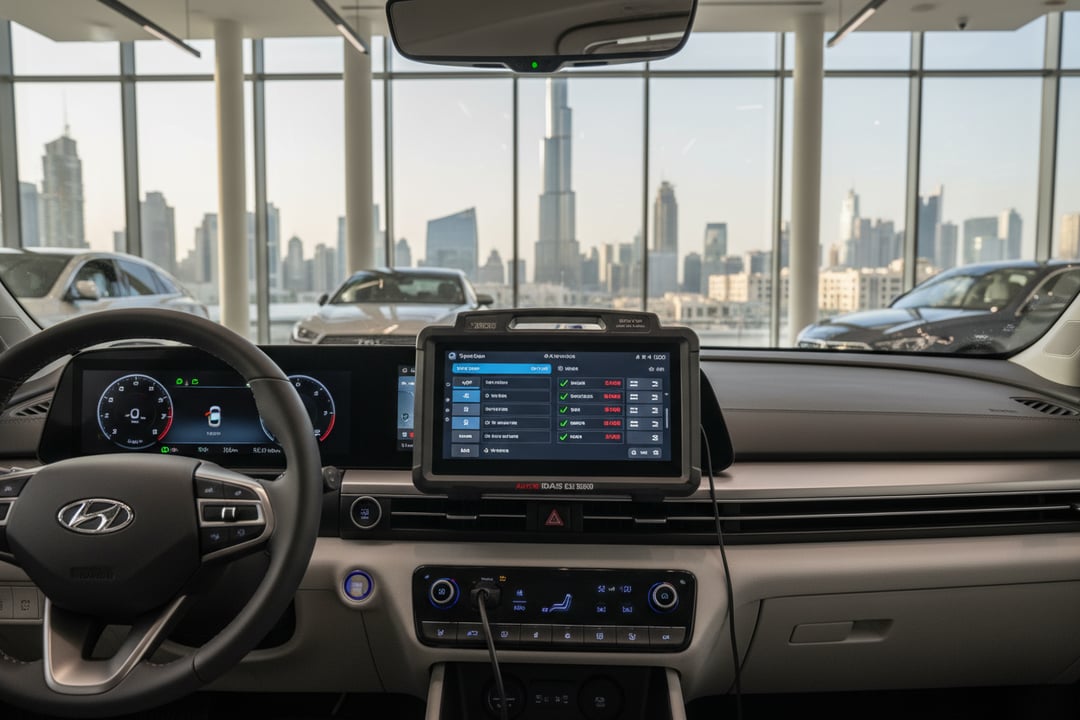
The Hyundai Ioniq 5 has established itself as a benchmark in the electric vehicle segment, combining retro-futuristic aesthetics with the proven E-GMP platform. However, importing or purchasing a used Ioniq 5 in the United Arab Emirates requires a rigorous understanding of how extreme ambient temperatures affect electric powertrains. The scorching desert climate introduces specific stressors that differ significantly from temperate markets, particularly regarding thermal management, battery longevity, and electronic component resilience. A standard visual inspection is rarely sufficient to uncover latent issues in these high-voltage vehicles. Professionals must look beyond surface aesthetics to evaluate the thermal history and mechanical integrity of the battery pack, inverter, and suspension components.
Thermal Management and Battery Health
The primary enemy of any Lithium-Ion battery in the UAE is sustained high heat. While the Ioniq 5 utilizes liquid cooling, prolonged exposure to temperatures exceeding 45°C can accelerate the chemical degradation of the cathode materials. During a pre-purchase inspection, the thermal management system must be verified to ensure the cooling pumps and radiators are functioning correctly. A compromised cooling system prevents the battery from maintaining optimal operating temperatures, leading to faster capacity fade and reduced range.
Inspectors look for signs of coolant leaks or discolored coolant, which indicate a history of overheating. The Battery Management System (BMS) records thermal events in the vehicle’s computer memory, accessible only through specialized diagnostic tools. A used Ioniq 5 with a history of thermal throttling may exhibit reduced acceleration performance due to the software limiting power output to protect the cells. Verifying the battery health through a Computer Diagnostic scan is essential, as the vehicle’s onboard computer will flag any deviation from factory parameters regarding cell voltage balance and thermal efficiency.
Transmission and Inverter Stress
The Ioniq 5 utilizes a single-speed direct-drive transmission, which simplifies the moving parts compared to internal combustion vehicles but places a heavier load on the power electronics. The electric traction inverter, which manages the flow of electricity between the battery and the electric motor, is sensitive to temperature fluctuations. In the UAE, the inverter cooling channels can become clogged with debris or suffer from seal degradation over time, leading to localized overheating.
Inspectors check for unusual vibrations during a Road Test, which can indicate a failing inverter cooling fan or a worn motor mount. The motor mounts in the Ioniq 5 are hydraulic and designed to dampen high-torque output; heat can cause the fluid inside these mounts to break down, resulting in excessive engine/transmission movement. If the mounts are failing, the transmission may shift roughly when accelerating, or the cabin may experience noticeable vibrations at idle. Addressing these issues early prevents damage to the rear differential and reduces long-term maintenance costs.
Electrical System Vulnerabilities
The electrical architecture of the Ioniq 5 is sophisticated, relying on a complex network of sensors and a CAN bus to communicate between the battery, brakes, and infotainment systems. Heat and vibration are the two primary causes of electrical malfunctions in these vehicles. Solder joints on the circuit boards within the onboard chargers or control units can become brittle and crack due to thermal cycling, leading to intermittent failures that are difficult to diagnose without the right equipment.
A common issue found in the UAE market involves the software glitches related to the air conditioning system and the smart key fob. High humidity and high temperatures can sometimes cause the climate control unit to reboot unexpectedly or fail to reach the set temperature efficiently. Furthermore, the smart key system relies on a receiver module located in the dashboard; heat degradation of this module can cause the vehicle to fail to detect the key fob, rendering the car undrivable until the module is re-soldered or replaced. These electrical failures are often intermittent, making a standard visual check useless. Utilizing an OBD scan to read transmission, ABS, and airbag codes is mandatory to uncover these hidden electrical faults.
Suspension and Structural Integrity
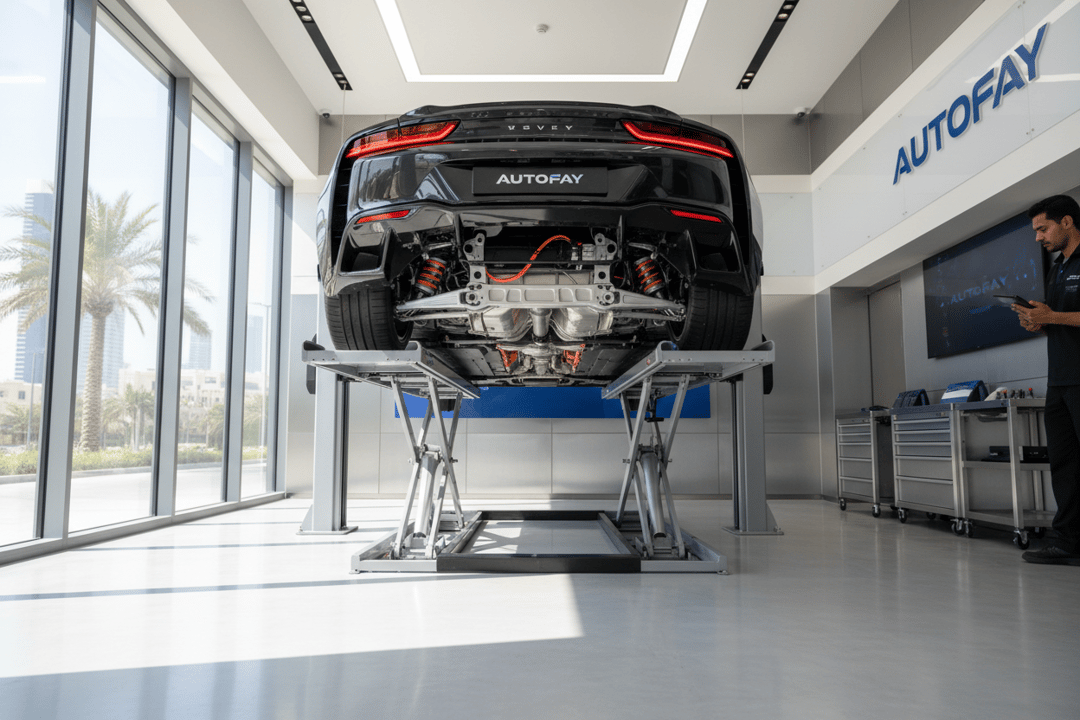
The chassis of the Ioniq 5 is rigid and well-engineered, but it shares components with the Hyundai Kona EV platform, which are subject to the harsh realities of UAE road surfaces. The suspension system in the UAE endures constant stress from high-speed highway driving and pothole-laden urban streets. Inspectors must pay close attention to the upper and lower control arms, as well as the stabilizer links, which are prone to corrosion and wear.
Heat accelerates the aging of rubber bushings in the suspension arms. A visual inspection should look for cracks in the rubber boots, which allow dust and moisture to enter the ball joint, causing it to seize or wear unevenly. Clunking noises over bumps are a definitive sign of worn suspension components. The steering rack and pinion should also be checked for play, as any looseness in the steering wheel can compromise vehicle handling at high speeds. A comprehensive inspection of the suspension must include checking the frame rails and floor pan for accident damage, as the structural integrity of a used EV is paramount for safety.
Body, Paint, and Climate Adaptation
The Ioniq 5 features a large glass roof and aluminum body panels, which are aesthetically pleasing but introduce specific maintenance challenges in the UAE. The intense UV exposure can cause the dashboard plastics to fade and the dashboard pad to crack, particularly in areas exposed to direct sunlight through the panoramic roof. This is not just cosmetic; a compromised dashboard pad can obstruct the view of the instrument cluster in bright sunlight.
Paint quality is critical for electric vehicles to maintain thermal regulation. A repaint on the rear bumper or hood can indicate previous impact damage or overheating of the electronics located nearby. Inspectors use a panel-by-panel analysis to determine if a vehicle has been repaired after an accident. Any misalignment between panels, inconsistent paint texture, or the presence of overspray on rubber seals suggests prior bodywork. Ensuring the body is in original condition is vital because aftermarket panels or poor repairs can affect the aerodynamics and potentially the vehicle's cooling efficiency.
Why a Professional Inspection is Non-Negotiable
Given the complexity of the Ioniq 5’s technology and the harsh operating environment in the Emirates, a professional inspection provides the data needed to avoid costly pitfalls. DIY checks are often insufficient to detect the nuances of electric vehicle health. A thorough inspection covers 410+ checkpoints across 25 categories, ensuring that no critical component is overlooked.
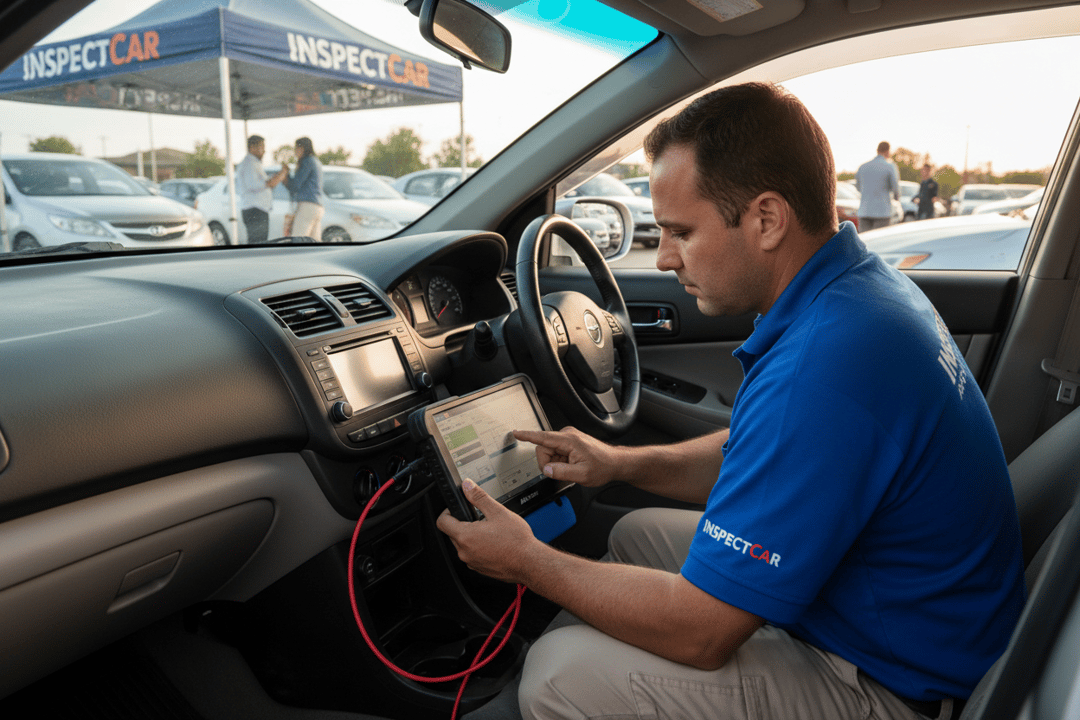
Choosing a on-location inspection service offers convenience and accuracy. Technicians bring the necessary diagnostic equipment to the seller’s location, allowing for a realistic Road Test on the actual roads the vehicle will be used on. The inspection packages available provide varying levels of depth, from a basic Computer Diagnostic for engine and transmission codes to a Comprehensive package that includes a detailed Body and Frame analysis.
| Package | Price (AED) | Key Checkpoints |
|---|---|---|
| Computer Diagnostic | 99 | OBD scan for engine, transmission, ABS, and airbag codes. |
| Body & Computer | 250 | Panel-by-panel paint analysis, frame integrity check, and computer diagnostics. |
| Comprehensive | 399 | Full vehicle inspection including road test, brakes, tires, fluids, suspension, and frame. |
Every sentence of the resulting report must be verifiable. Inspectors check fluid levels and conditions, including the brake fluid which absorbs moisture and degrades faster in high heat environments. They also verify tire manufacturing dates, as tires degrade chemically over time regardless of mileage. By utilizing a licensed service like AutoFay, buyers gain access to HD photos and a detailed PDF report that documents the vehicle's condition with absolute clarity.
Do not rely on a verbal assurance from a seller. The thermal history and mechanical wear of an electric vehicle in the UAE demand evidence. Rely on data, not anecdotes. AutoFay inspects 410+ checkpoints with HD photos and PDF report. Book at autofay.ae or call +971542584458.



0 Comments
No comments yet. Be the first to share your thoughts!