

The Hyundai Elantra holds a significant position in the UAE’s used car market due to its compact efficiency and affordability. As a vehicle inspector based in the region, I have reviewed hundreds of units, and the Elantra offers a balance of reliability that appeals to daily commuters and rental fleets alike. However, purchasing a used vehicle without a professional evaluation exposes the buyer to hidden structural defects, electrical gremlins, and deferred maintenance. A pre-purchase inspection provides a factual snapshot of the vehicle’s mechanical health before the transfer of ownership occurs.
The Engine and Transmission: Powertrain Health
The powertrain is the most expensive component to replace, making its condition the primary focus of any inspection. Inspectors analyze the engine bay for fluid leaks, which are often the first sign of aging gaskets or seals. A thorough visual check includes examining the valve cover gasket, oil filter housing, and transmission cooler lines. Oil consumption is a known issue on higher-mileage Elantras; therefore, checking the dipstick for low levels or signs of excessive froth indicates poor maintenance habits.
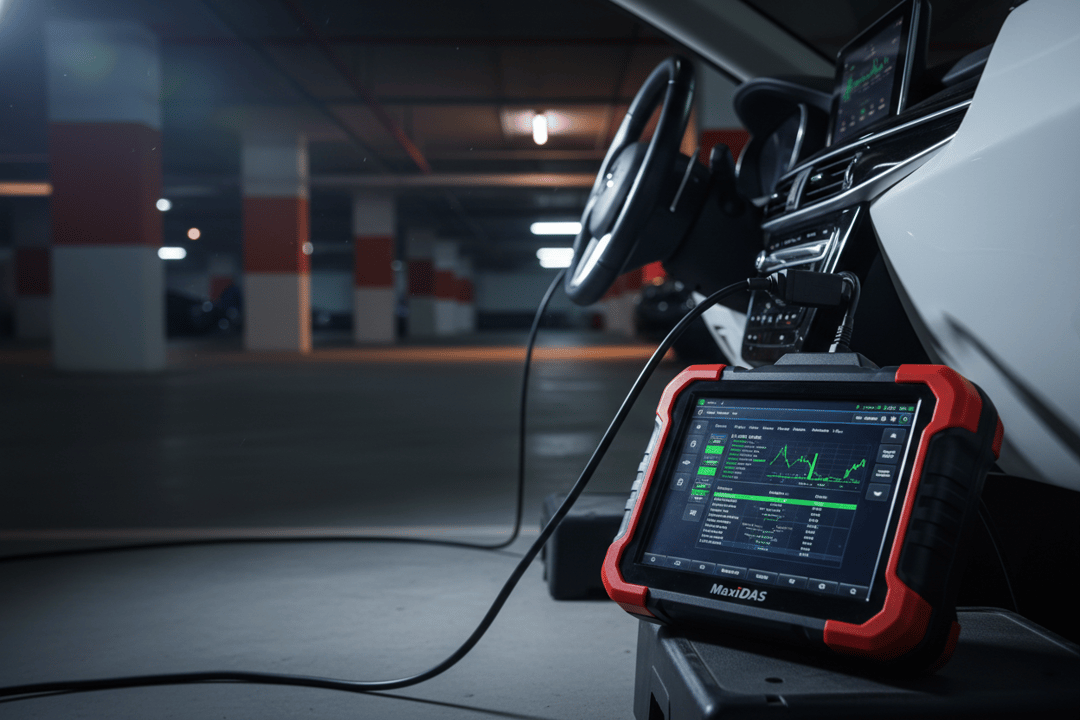
During the road test, the engine’s sound profile is critical. A ticking noise often points to lifter wear, while a knocking sound suggests deeper internal damage. The transmission must shift smoothly without hesitation or jerking. Inspectors listen for whining noises during acceleration, which typically indicate worn wheel bearings or a failing transmission pump. Utilizing an On-Board Diagnostics (OBD) scan tool is essential to retrieve hidden error codes related to the engine, transmission, ABS, and airbag systems.
- Engine Mounts: These rubber dampeners absorb vibration. If they are cracked or collapsed, the engine will shift excessively, causing misalignment and noise during acceleration.
- Exhaust Smoke: Blue smoke indicates burning oil, white smoke points to a blown head gasket or coolant leak, and black smoke suggests rich fuel conditions or sensor faults.
- Transmission Fluid: The fluid should be bright red or pink. Dark brown or black fluid, combined with a burnt smell, signifies the transmission has never been serviced or has reached the end of its life.
Body, Paint, and Structural Integrity
UAE road conditions often result in rock chips and minor abrasions, yet unscrupulous sellers may attempt to mask accident history with poor-quality paintwork. Inspectors perform a panel-by-panel examination using a flashlight to detect inconsistent gloss levels, known as "orange peel," or color mismatches between panels. These imperfections suggest previous repainting, which often hides underlying corrosion or structural repair.
The frame and chassis are the backbone of safety, and inspectors check the unibody for misalignment. The condition of the pillars, A-pillars, and floor pans is analyzed for rust or previous crash repair. In flood-prone areas or coastal regions, rust can travel upwards from the sills, compromising the vehicle's structural rigidity. Inspectors look for evidence of welding that does not match the factory finish, which implies a repair was done to correct damage rather than a cosmetic touch-up.
- Panel Alignment: Check the gap between doors, the hood, and the trunk. Uneven gaps can indicate a previous collision that was not properly straightened.
- Rust Assessment: Pay close attention to the wheel arches, the bottom of the doors, and the sills where water collects. Surface rust can be treated, but bubbling paint indicates deep oxidation.
- Glass Condition: Inspect the windshield for chips that have propagated into cracks. A replacement windshield should use the original Honda or Toyota glass, not generic aftermarket units.
Suspension, Steering, and Brakes
The suspension system in the Hyundai Elantra utilizes MacPherson struts, which are subject to significant wear in the UAE’s heavy traffic and uneven road surfaces. Coils and shock absorbers have a finite lifespan; worn components lead to a harsh, bouncy ride and increased tire wear. Inspectors listen for clunking noises over bumps, which often indicates loose ball joints or worn control arm bushings.
The braking system is non-negotiable for safety. Inspectors measure the brake pad thickness on all four wheels using a caliper gauge. A pad thickness rating below 2mm is considered unsafe and requires immediate replacement. The rotors should be checked for scoring or excessive unevenness. The parking brake mechanism also requires testing to ensure the car holds on an incline without rolling.
During the road test, the steering response is evaluated. There should be no play in the steering wheel, and the vehicle should track straight without constant correction. Vibration through the steering wheel or brake pedal at highway speeds often points to unbalanced tires or warped rotors. Tires must be checked for their manufacturing date, as rubber degrades over time regardless of tread depth.
Fluid Levels, Undercarriage, and Tires
Beneath the vehicle, the condition of the exhaust system is a major indicator of past neglect or impact damage. A rusted-out exhaust can leak carbon monoxide into the cabin, presenting a life-threatening hazard. Inspectors check the heat shields for holes and inspect the catalytic converter for physical damage or clogging, which restricts engine performance.
Fluids provide a roadmap of the vehicle’s history. Engine oil should be clean and amber; if it is black and sludgy, it suggests the car has never had its oil changed or has been driven with low oil levels. Coolant should be inspected for a slimy texture, which indicates internal engine corrosion. Power steering fluid should be bright red and clean.
Tires are the only contact point between the car and the road. Inspectors verify the manufacturing date via the DOT code on the sidewall. A tire older than six years should be replaced regardless of tread depth, as the rubber compounds harden and crack. Uneven tire wear patterns can reveal suspension issues, such as misaligned wheels or worn shock absorbers.
Common Model-Specific Red Flags
While the Hyundai Elantra is generally reliable, specific issues tend to arise in this model. One common red flag is the "check engine" light remaining on due to minor emissions sensor faults that have never been addressed. Another concern is the electrical harness, which can become brittle in high-heat environments, leading to intermittent connection failures.
Inspectors also watch for coolant leaks around the thermostat housing, a known failure point on some engine generations. A vehicle with a history of overheating requires a compression test to ensure the cylinder head and gasket are not damaged. Finally, if the vehicle has a history of being used as a rental, the cabin trim may show excessive wear, and the odometer may have been modified.
| Package Name | Price (AED) | Key Inclusions |
|---|---|---|
| Computer Diagnostic | 99 | Engine, transmission, ABS, and airbag code retrieval. |
| Body & Computer | 250 | Panels-by-panel paint inspection, computer diagnostics, and road test. |
| Comprehensive | 399 | Full 25-category inspection including frame, fluids, and suspension. |
A pre-purchase inspection is the final verification step before handing over cash. It uncovers mechanical failures that are invisible to the naked eye but will cost thousands to rectify immediately after purchase. Do not rely on verbal assurances from the seller; rely on objective data.
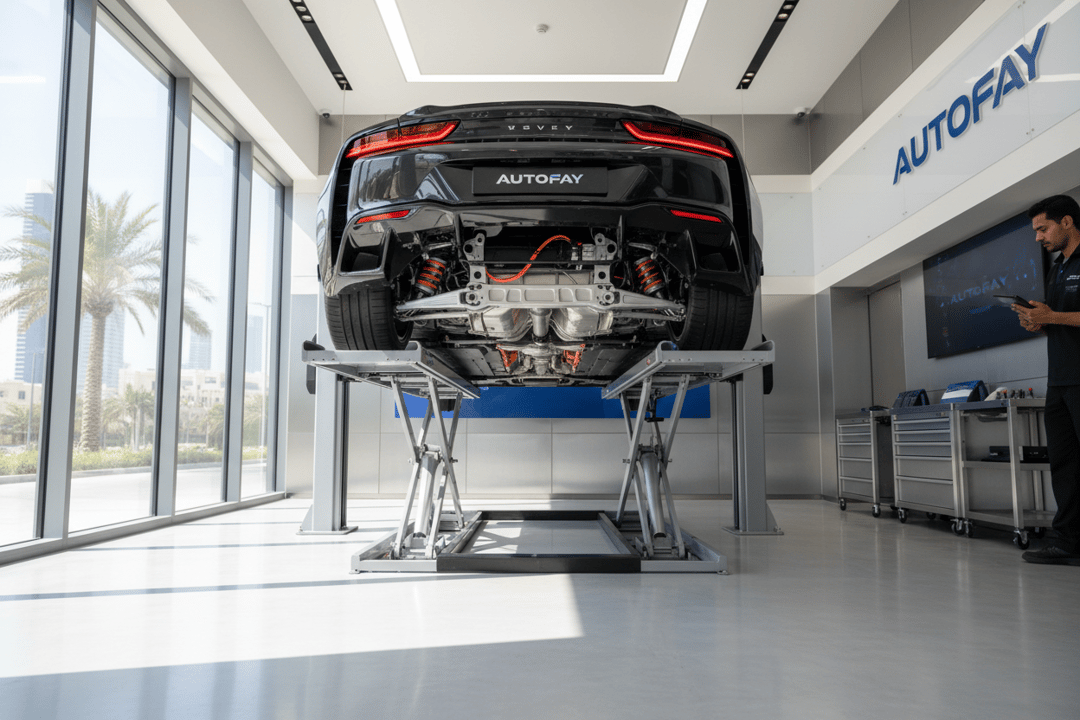
AutoFay inspects 410+ checkpoints with HD photos and PDF report. Book at autofay.ae or call +971542584458




0 Comments
No comments yet. Be the first to share your thoughts!