
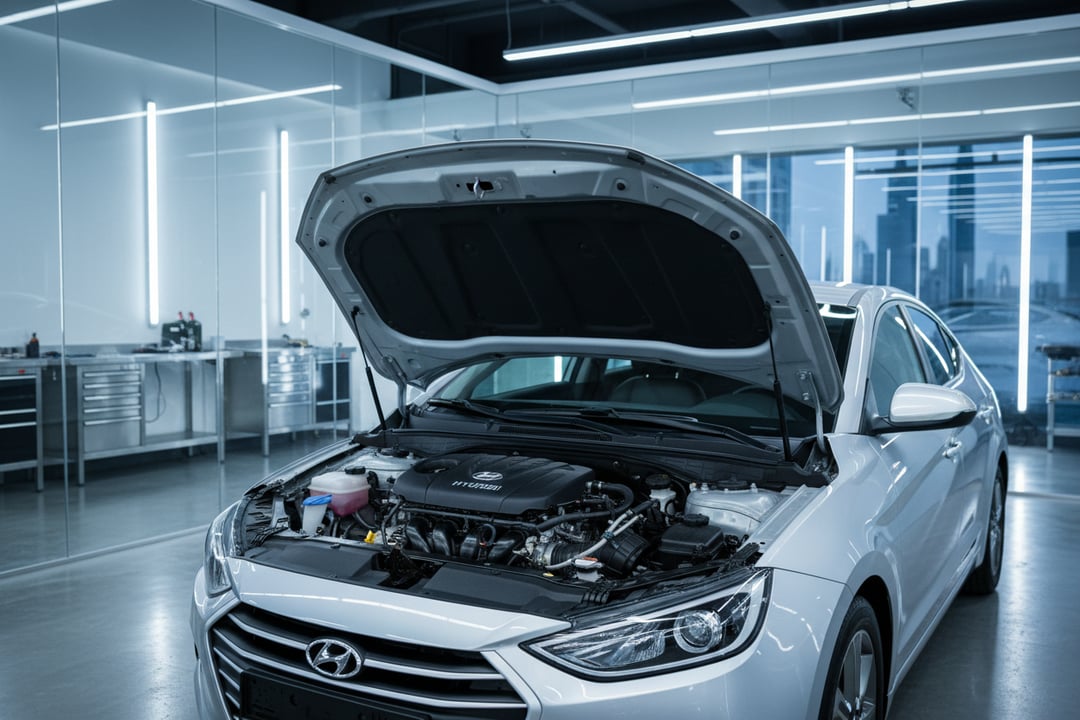
The Hyundai Elantra has established a strong presence on UAE roads due to its practicality and fuel efficiency. However, purchasing a used Elantra requires a critical eye, specifically when accounting for the extreme environmental conditions found across the seven Emirates. The combination of blistering summer temperatures, abrasive sand, and fluctuating humidity accelerates component wear in ways not seen in temperate climates. A pre-purchase inspection is not merely a formality but a necessary safeguard against costly future repairs. Understanding the specific vulnerabilities of the Elantra in this region ensures the vehicle maintains its reliability and resale value.
Engine Health and Thermal Stress
The engine is the heart of any vehicle, and in the UAE, it is subjected to relentless thermal stress. High ambient temperatures reduce the engine's ability to dissipate heat efficiently, placing additional strain on cooling systems and lubrication. A common issue identified during inspections is excessive oil consumption. As engine temperatures rise, oil viscosity decreases, and seals can harden, leading to burning oil or leaks. Inspectors look specifically for blue smoke from the exhaust, which indicates burning oil, or dark, gritty oil deposits on the engine casing.
Another critical area is the water pump and thermostat. In the UAE heat, these components work overtime to regulate engine temperature. Failure here can lead to catastrophic engine overheating. Inspectors check for coolant leaks around the water pump housing and verify the thermostat operation, as a stuck thermostat can cause the engine to run lean or rich, affecting performance and fuel economy. The timing chain is also subject to wear due to high RPMs often associated with stop-and-go traffic in city centers. A loose timing chain can result in timing belt failure, which could lead to piston collision and engine destruction.
- Blue Smoke: A clear indicator of burning oil, often caused by worn piston rings or valve seals due to thermal expansion.
- Coolant Leaks: Inspect hoses and the radiator cap for erosion, as high pressure and heat degrade rubber components faster.
- Timing Chain Tension: Verify proper tension to prevent engine timing errors and potential mechanical failure.
Transmission Performance in Heat
The climate affects the transmission more than many owners realize. Automatic transmission fluid (ATF) degrades rapidly when exposed to the high under-hood temperatures typical of the UAE. Slipping gears or delayed engagement are primary red flags. For models equipped with a Continuously Variable Transmission (CVT), inspectors pay close attention to the "jerkiness" or rubber-band effect during acceleration, which often signals overheated fluid or a failing torque converter. The transmission control module may also struggle to modulate gear shifts correctly if sensors are reading inaccurate data due to heat distortion.
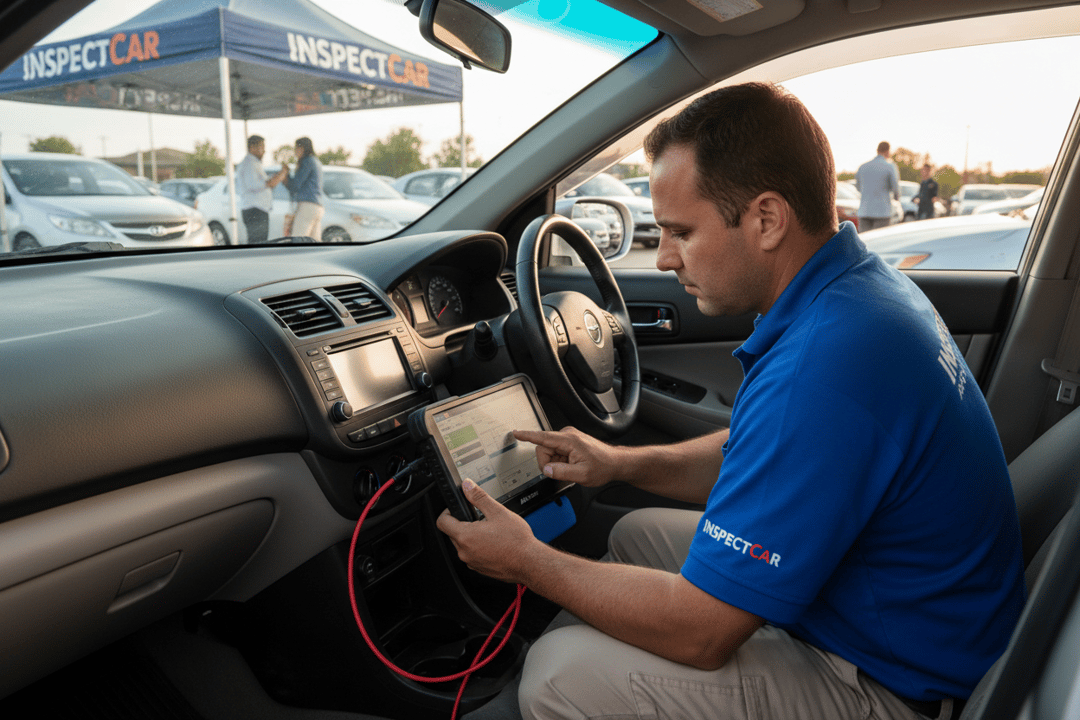
Manual transmission Elantras face different challenges, primarily centered on the clutch assembly. The friction material on the clutch disc wears down faster when the vehicle is frequently used in heavy traffic, where the clutch is disengaged and engaged repeatedly without warming the engine properly. Inspectors perform a road test to check for hesitation, slipping, or grinding noises when shifting gears. An OBD scan is essential during this phase to retrieve any stored diagnostic trouble codes (DTCs) related to transmission solenoids or hydraulic pressure sensors.
Suspension Degradation in High Temperatures
Suspension components in the UAE face a dual assault from heat and road salt (in coastal areas) or sand. Rubber bushings and dampers are particularly susceptible to UV exposure and extreme heat. Over time, these materials harden, crack, or lose their elasticity. A worn suspension results in a rougher ride, increased tire wear, and compromised handling during high-speed highway driving. Inspectors check for fluid leaks from shock absorbers, which indicates the internal seals have failed and the damper can no longer control the vehicle's vertical movement.
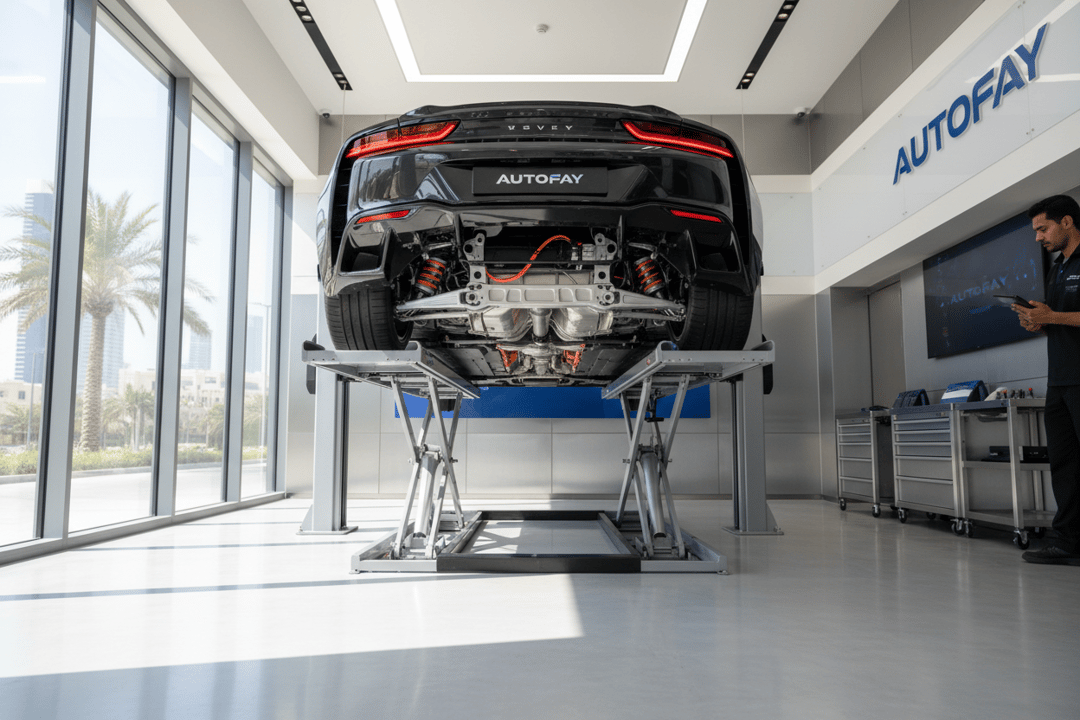
Additionally, the suspension geometry can be thrown out of alignment due to uneven road surfaces common in older residential areas. This leads to uneven tire wear and steering pull. The control arms and ball joints are stress points that endure significant loads. In harsh climates, the metal fatigue in these components accelerates, necessitating a thorough physical examination of the undercarriage to ensure structural integrity before purchase.
Electrical System Vulnerabilities
The electrical system in a hot climate faces unique challenges. Sensors located in the engine bay and exhaust system are prone to failure due to heat and the accumulation of dust and sand. Oxygen sensors, for instance, can become contaminated or fail, triggering the check engine light and negatively affecting fuel efficiency. The battery is also under constant stress; high temperatures accelerate the chemical reaction inside the battery, leading to faster degradation of the electrolyte and reduced lifespan.
The air conditioning system is arguably the most critical electrical component in the UAE. The AC condenser, located at the front of the vehicle, is prone to clogging with sand and dust, which blocks airflow and puts immense strain on the compressor. A failing compressor is a major repair that involves significant downtime. Electrical connections can corrode due to humidity and the ingress of dust, leading to intermittent faults that are difficult to diagnose without specialized equipment.
Rigorous Inspection Protocols
Identifying these issues requires a systematic approach that goes beyond a casual glance. Professional inspection services utilize a multi-faceted methodology to uncover hidden defects. A computer diagnostic scan is the first line of defense, reading the vehicle's computer to identify any stored codes related to the engine, transmission, or ABS systems.
For a comprehensive evaluation, technicians utilize a structured checklist focusing on specific performance metrics. The following table outlines the typical categories analyzed during a detailed vehicle inspection:
| Inspection Category | Key Focus Points | AutoFay Standard |
|---|---|---|
| Engine & Fluids | Smoke color, oil leaks, coolant levels, thermostat function | Engine sound, mounts, fluid condition |
| Transmission | Gear shifting smoothness, transmission fluid condition | OBD scan for transmission codes |
| Suspension | Shock absorbers, rubber bushings, control arm condition | Suspension structural integrity check |
| Electrical | AC performance, sensor status, battery health | Road test for noise and vibration |
| Body & Frame | Paint quality, panel gaps, frame straightness | Panel-by-panel paint analysis |
Choosing the Right Inspection Package
Given the complexity of modern vehicles and the specific environmental challenges in the UAE, a basic visual inspection is often insufficient. Selecting the appropriate inspection tier ensures that both obvious and subtle issues are identified. For a quick check of the engine and transmission logic, a Computer Diagnostic service is available for AED 99.
For buyers seeking a more detailed assessment of mechanical and electrical health, the Body & Computer package at AED 250 offers a broader scope. This includes a visual check of the bodywork alongside the diagnostic scan. The most thorough option, the Comprehensive package at AED 299, provides peace of mind by covering all 25 categories. This service includes the OBD scan, a full road test to evaluate acceleration and braking, a visual inspection of tires for manufacturing dates and wear, and a detailed review of fluid levels.
AutoFay inspects 410+ checkpoints with HD photos and PDF report. Book at autofay.ae or call +971542584458



0 Comments
No comments yet. Be the first to share your thoughts!