
The Hyundai Creta has firmly established itself as a dominant force in the UAE compact SUV market, favored for its balance of price, features, and practicality. However, the harsh desert climate and intense heat place significant stress on vehicle components that might otherwise last longer in milder environments. For a prospective buyer, identifying these latent issues requires a rigorous and professional approach to vehicle inspection. A standard visual check is insufficient to uncover the hidden complexities of a used Creta. This article details the critical areas where inspectors typically find failure points, specifically focusing on engine, transmission, electrical systems, and suspension, while highlighting how professional diagnostic services can mitigate risk.
Engine Performance and Oil Consumption
The a capable engine Gamma and Kappa engines found in most Cretas are generally robust, but they exhibit specific vulnerabilities in high-temperature conditions. The most common issue reported is oil dilution, where unburned fuel mixes with the engine oil, reducing its lubricating properties. This occurs frequently in stop-and-go traffic typical of UAE city driving. Over time, this dilution can lead to increased engine wear and eventual sludge buildup. If the dipstick reveals a creamy white substance or the oil level fluctuates erratically, the engine may be suffering from internal gasket failures or severe combustion issues.
Timing chain failures represent another significant risk. While Hyundai extended warranties for some timing chain issues, older models may still exhibit tensioner failures. A rattling noise from the front of the engine during cold starts is a primary symptom of a stretched or failing chain. Ignoring this symptom can lead to catastrophic engine damage, requiring a complete engine replacement rather than a simple repair. Furthermore, turbocharger failure is possible in high-mileage units, often resulting from oil starvation or carbon buildup on the hot side of the turbocharger.
Transmission and Drivetrain
Transmission issues in the Creta largely depend on whether the vehicle is equipped with the automated manual transmission (AMT) or the dual-clutch transmission (DCT). The AMT gearbox is notorious for "jerking" or "shuddering" during gear shifts, a result of the lack of a torque converter. In the UAE, heavy traffic exacerbates this, leading to driver frustration and potential software glitches. While the AMT is mechanically simple, the electronic control unit (ECU) often requires reprogramming to smooth out these shifts, a process that requires specialized equipment.
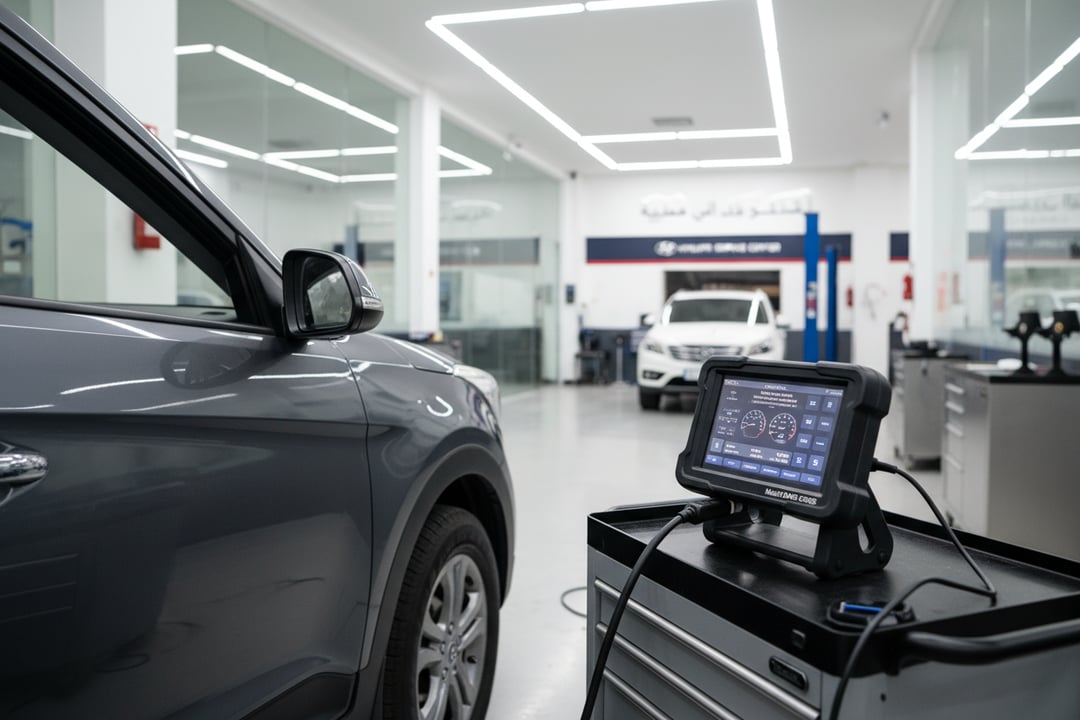
The DCT, while offering a smoother driving experience, is more complex and expensive to repair. Common faults include harsh shifting and the failure of the mechatronic unit, which controls the clutch hydraulics. If a vehicle hesitates to engage gears or shows transmission error lights, a Computer Diagnostic scan is essential to retrieve specific fault codes. Without a professional scan, these transmission errors can be misdiagnosed as sensor issues, leading to unnecessary part replacements. Only a comprehensive diagnostic service can pinpoint whether the transmission is mechanically sound or requires extensive labor.
Electrical Systems and Climate Control
The UAE climate places immense strain on a vehicle's electrical system and air conditioning components. The Creta’s climate control system is prone to compressor failure due to the high ambient temperatures. A weak compressor will struggle to maintain cabin temperatures, leading to rapid clutch wear and eventual refrigerant leaks. Inspectors look for signs of oil residue around the air conditioning condenser, which indicates a leak, and listen for a clicking sound when the AC is turned on, which suggests a failing compressor clutch.
Electrical failures extend beyond the AC to include sensor malfunctions and battery drainage. High heat can degrade battery terminals and lead to corrosion, causing slow cranking or electrical accessory malfunctions. Additionally, the Creta relies on numerous sensors for performance and safety; these sensors can fail due to heat exposure or moisture ingress, triggering warning lights on the dashboard. A faulty sensor can also affect fuel economy, leading to a sudden drop in miles per gallon that is unrelated to driving habits.
Suspension and Chassis Integrity
The suspension system in a used Creta often shows the effects of the diverse terrain found in the Emirates, ranging from smooth highways to rough, unpaved roads. A common issue is the degradation of rubber suspension bushings, particularly the front sway bar links and control arm bushings. As these bushings crack and perish, drivers often report a "clunking" or "rattling" noise over speed bumps or uneven road surfaces. This not only affects ride comfort but can also compromise vehicle handling and tire wear.
Rust is another critical concern, particularly for Cretas imported from Europe or Asia. Even with the mild winters in the UAE, the coastal areas present a high risk of corrosion. Inspectors focus on the sills, the bottom of the doors, and the chassis rails. If rust has penetrated the chassis rails, the structural integrity of the vehicle is compromised, making it unsafe to drive. Furthermore, ball joints and tie rod ends may wear out prematurely due to the dusty desert environment, leading to a loose steering feel that requires immediate attention.
Body, Paint, and Frame Condition
While the engine and mechanics are vital, the body and frame dictate the overall safety and resale value of the vehicle. The Creta’s body panels are subject to fading due to intense UV exposure, and paint defects can hide significant accident history. Inspectors look for panel gaps that are inconsistent, indicating a previous collision or poor repair work. A misaligned bumper or door suggests that the vehicle may have been in an impact that compromised the structural mounts.
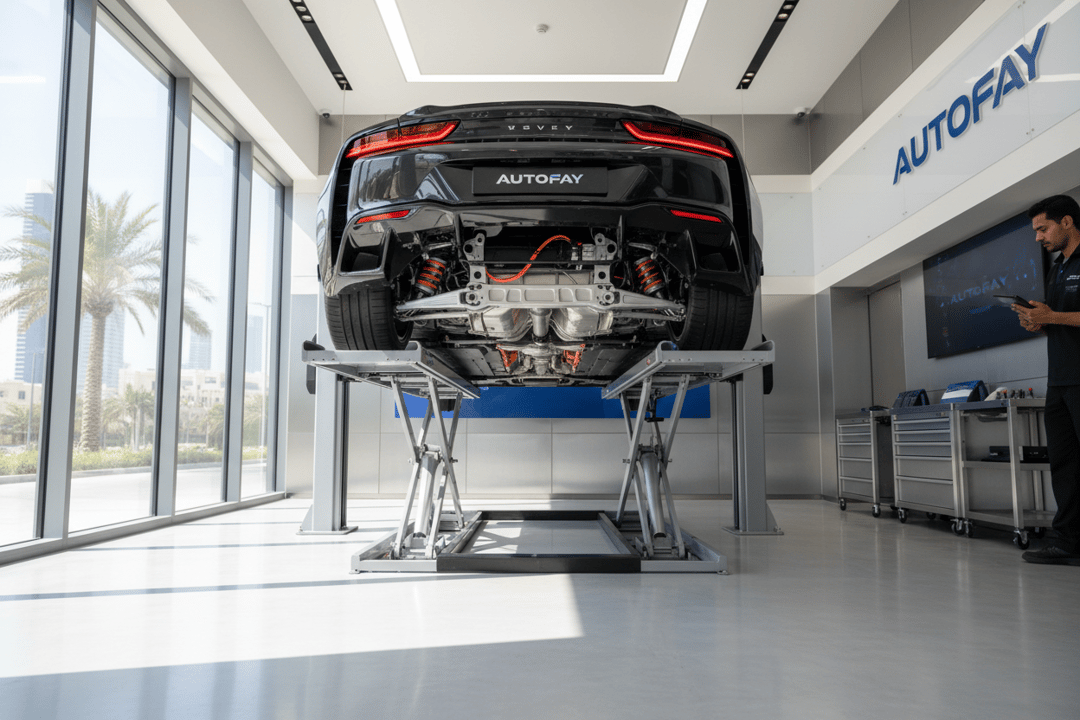
Checking the frame rails is non-negotiable for a pre-purchase inspection. The frame acts as the backbone of the vehicle; any bending or welding in this area can significantly reduce crash safety standards. AutoFay inspectors utilize 25 distinct categories of checks to evaluate the frame, ensuring that no hidden damage has been smoothed over. Furthermore, the condition of the windshield and glass is critical; chips in the windshield can lead to cracks spreading rapidly in high temperatures, obstructing the driver's view.
| Inspection Package | Price (AED) | Key Focus |
|---|---|---|
| Computer Diagnostic | 99 | Engine, Transmission, ABS, Airbag codes |
| Body & Computer | 250 | Panel-by-panel paint check, OBD scan, frame assessment |
| Comprehensive | 399 | Full 410+ checkpoints, HD photos, PDF report, road test |
Purchasing a used Hyundai Creta in the UAE demands a keen eye for detail and a deep understanding of how local driving conditions affect vehicle longevity. The risks associated with engine oil dilution, transmission harshness, AC compressor fatigue, and corrosion require a multi-layered inspection strategy. Relying on a thorough inspection service ensures that hidden defects are identified before financial loss occurs. Professional inspectors use advanced tools and checklists to expose these problems.
AutoFay inspects 410+ checkpoints with HD photos and PDF report. Book at autofay.ae or call +971542584458



0 Comments
No comments yet. Be the first to share your thoughts!