

The Honda Pilot occupies a unique niche in the UAE automotive market, serving as a staple for large families and commercial transport due to its spacious three-row layout and robust V6 engine. However, purchasing a used Pilot requires a rigorous approach, as age, extreme heat, and salt exposure accelerate wear on specific components that differ from smaller SUVs. A professional inspection transcends a casual glance under the hood; it provides a technical baseline of the vehicle's condition. Relying solely on a visual walk-around leaves the buyer vulnerable to hidden structural damage or electrical gremlins that surface after the purchase is finalized.
The Inspection Framework: What Inspectors Actually Check
A comprehensive evaluation involves over 250 distinct checkpoints across 25 specific categories, ensuring no single area of the vehicle is overlooked. Inspectors scrutinize the mechanical integrity of the drivetrain, the structural safety of the chassis, and the cosmetic condition of the exterior and interior. The goal is to identify deviations from the manufacturer's standard specifications. Without this level of scrutiny, hidden defects can lead to unexpected operational failures and financial loss.
| Inspection Category | Focus |
|---|---|
| Engine & Drivetrain | Compression, oil consumption, and sound analysis of the V6 motor. |
| Body & Paint | Panel-by-panel verification of original factory finishes and accident history. |
| Suspension | Shock absorbers, control arms, and bushing integrity for ride comfort. |
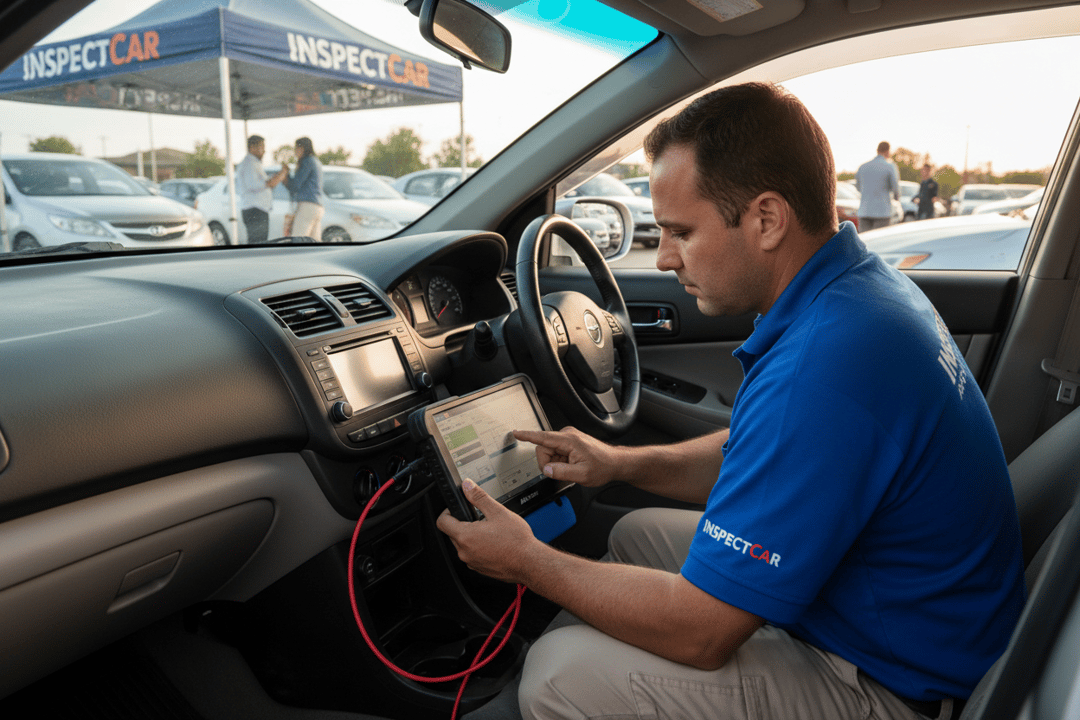
| Electronics & OBD | Diagnostic scanning for trouble codes across engine, transmission, and safety systems. |
For buyers seeking a quick overview, the Computer Diagnostic package is available for AED 99. This service connects to the vehicle’s onboard computer to detect active and stored error codes. However, for a full assessment of the vehicle’s health, the Comprehensive Inspection is recommended at AED 299. This package covers all 25 categories, including frame alignment and a detailed road test.
Common Mechanical Weaknesses in the Honda Pilot
The capable V6 engine found in most Pilot models is generally durable, but it is not immune to age-related performance degradation. One of the primary concerns observed in older units is oil consumption. As the engine reaches higher mileage, piston rings may wear, causing the engine to burn oil between changes. This is not merely a maintenance annoyance; low oil levels can lead to catastrophic engine failure if not monitored closely. Inspectors check the dipstick for burn marks and verify the oil consumption rate immediately before the road test begins.
Transmission behavior is another critical area of focus. Early models equipped with the five-speed automatic transmission may exhibit harsh shifting or slippage as the fluid degrades under heavy UAE traffic conditions. Inspectors verify the smoothness of gear transitions, listening for clunks or hesitation during acceleration. A failing transmission control module can also cause erratic shifting, leading to reduced fuel efficiency and potential safety hazards.
Suspension Dynamics and Ride Quality
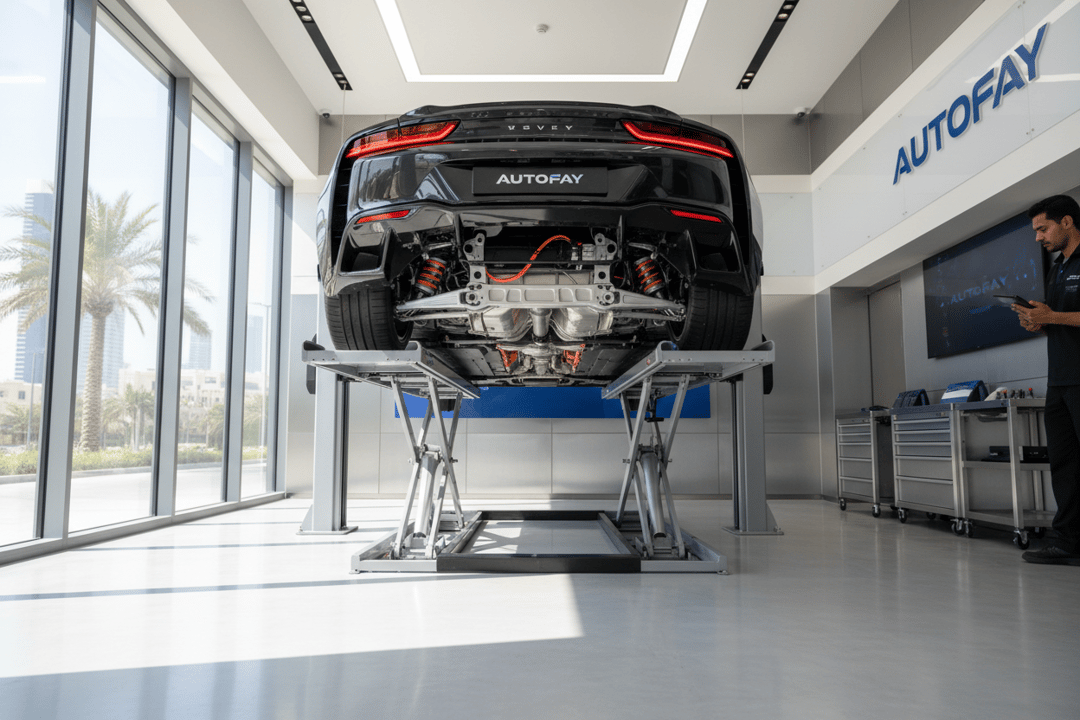
Due to the Pilot's substantial curb weight, the suspension system endures significant stress. Worn shock absorbers and struts will compromise ride comfort and increase stopping distances. Inspectors look for signs of oil leaks on the shock bodies, which indicate hydraulic fluid loss and reduced damping capability. Additionally, the control arm bushings and ball joints are prone to cracking in the UAE’s fluctuating temperatures. A broken component in the undercarriage can lead to a loss of steering control, necessitating immediate replacement.
Body Integrity and Rust Concerns
The UAE’s coastal humidity and proximity to the sea accelerate corrosion on the undercarriage, making the frame inspection a non-negotiable step. Inspectors evaluate the floor pans and frame rails for signs of rust or previous spot-weld repairs. Even minor corrosion can weaken the structural integrity of the SUV, increasing the risk of cabin collapse during a collision. Furthermore, the body panels should be inspected for mismatched paint, which suggests previous panel-beating repairs to cover collision damage.
Interior wear is equally telling. Excessive wear on the driver’s seat bolsters, worn-out carpeting, or a malfunctioning sunroof motor can indicate high mileage or poor maintenance habits. Inspectors specifically check the electronic folding mechanism of the third-row seats, as this is a common point of failure due to its infrequent use.
Red Flags Specific to the Pilot
When inspecting a used Honda Pilot, certain anomalies indicate deeper mechanical issues. The presence of a strong smell of burning oil or transmission fluid while the vehicle is idling is a primary warning sign. Smoke from the exhaust tailpipe provides immediate diagnostic clues: blue smoke indicates burning oil, black smoke suggests a rich fuel mixture or air intake issues, and white smoke can point to a blown head gasket.
- Check Engine Light: A warning light illuminated on the dashboard mandates an OBD scan before purchase. Even if the light has recently been reset, stored error codes will reveal underlying faults.
- Cold Air Conditioning: The Pilot’s dual-zone climate control system is a major selling point. If the system struggles to cool in high ambient temperatures or makes unusual noises, the compressor or condenser has likely failed.
- Steering Wander: If the vehicle requires constant steering correction to drive straight, the steering rack or wheel alignment may be damaged, possibly resulting from a previous impact.
The Road Test: Acceleration, Braking, and Noise
The driving phase of the inspection reveals the vehicle's dynamic capabilities and sound characteristics. Acceleration should be linear and responsive without hesitation or jerking. Inspectors listen for abnormal noises such as a "clunk" over speed bumps or a "whining" sound during acceleration, which often indicates transmission issues. Braking performance must be assessed for whether the vehicle pulls to one side or vibrates excessively, signaling warped rotors or seized calipers.
Inspectors test the electronic stability control and traction systems to ensure they engage correctly. A malfunction in these safety systems can compromise the vehicle's handling, especially during sudden lane changes or inclement weather. Every noise, vibration, or hesitation noted during the road test is documented to provide a transparent picture of the Pilot’s current operational state.
AutoFay inspects 410+ checkpoints with HD photos and PDF report. Book at autofay.ae or call +971542584458


0 Comments
No comments yet. Be the first to share your thoughts!