

The Honda Civic has established itself as a benchmark for compact sedans in the UAE market, prized for its driving dynamics and fuel efficiency. However, purchasing a used vehicle requires a rigorous evaluation to separate a well-maintained unit from a potential money pit. A pre-purchase inspection moves beyond a visual appraisal to technical verification. Inspectors follow a strict protocol to identify hidden defects that could lead to expensive repairs. Understanding the specific vulnerabilities of the Civic is essential for any buyer in the region. This guide outlines the critical areas of inspection and highlights the professional services available to ensure vehicle integrity.
Understanding Common Civic Weaknesses
The Honda Civic, particularly the K20 and K24 engine variants, is generally robust but possesses known failure points that become apparent with age and high mileage. One of the most frequent issues is excessive oil consumption, which can occur on high-compression engines regardless of maintenance history. Inspectors look for blue smoke during acceleration or deceleration, as this indicates burning oil and reduces engine longevity. Additionally, the timing chain tensioner on certain model years is prone to stretching, leading to rattling noises upon cold starts.
Another critical area is the suspension geometry. The Civic’s sport-tuned setup provides excellent handling but can exacerbate wear on suspension components if the vehicle is frequently driven over rough roads or speed bumps. Inspectors verify the condition of the control arms, ball joints, and sway bar links to ensure the ride remains stable and the alignment is not compromised.
Engine and Transmission Inspection
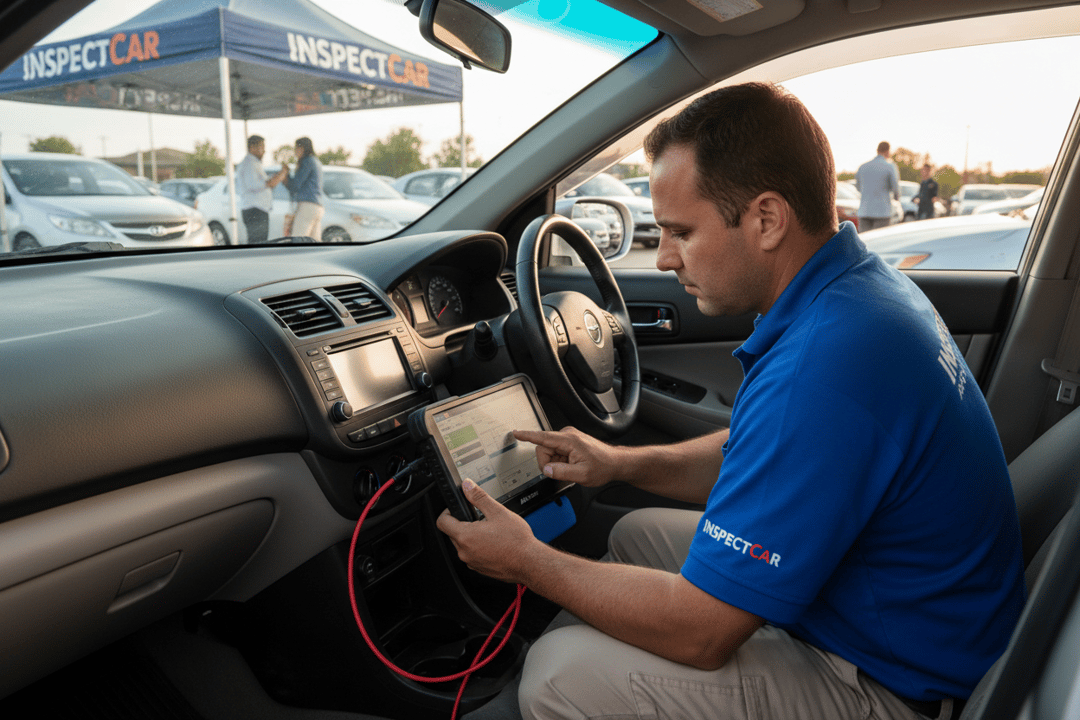
The engine bay must be examined for leaks, corrosion, and component wear. Inspectors check the condition of the timing belt or chain, serpentine belt, and all rubber hoses for cracking or brittleness, which are common in the UAE climate. A thorough OBD scan is mandatory to retrieve stored codes for the engine, transmission, ABS, and airbag systems. This diagnostic step reveals electronic faults that are not visible to the naked eye.
The transmission should shift smoothly without hesitation or jerking. Inspectors listen for unusual whining or clunking noises during gear changes, which could indicate internal failure. Checking the transmission fluid level and consistency is also vital; a burnt smell or discoloration suggests the fluid has not been changed at the recommended intervals.
- Oil Consumption: Verify the dipstick for low oil levels and check under the car for fresh oil spots.
- Timing System: Inspect the timing chain tensioner for wear and listen for rattle noises during startup.
- Transmission Shifts: Test drive the vehicle to ensure gears engage quickly and the clutch (if manual) does not engage too high.
- OBD Scanning: Ensure there are no active or stored fault codes related to the engine or transmission.
Body, Paint, and Frame Integrity
Bodywork inspection involves a panel-by-panel assessment to determine the history of the vehicle. Inspectors measure paint thickness using specialized gauges to identify areas that have been repainted, which may hide accident damage. Discrepancies in panel gaps between doors, hoods, and trunks indicate previous collision repairs that may have compromised structural alignment.
The frame and chassis rails must be scanned for damage. A cracked or bent frame can lead to alignment issues, poor handling, and safety hazards. Inspectors also check the firewall and floor pans for rust or corrosion, which is particularly common in older Civics exposed to coastal humidity. Any evidence of welding on structural components is a significant red flag.
Suspension, Brakes, and Road Test
The braking system is the most critical safety component. Inspectors assess the brake pad thickness against safety regulations and measure the rotor thickness for uneven wear. A pulsating brake pedal often indicates warped rotors, which is a common result of worn suspension components. The brake fluid should be clear and free of moisture contamination.
During the road test, inspectors evaluate the acceleration, braking, and noise levels. Excessive vibration through the steering wheel or brake pedal suggests issues with wheel bearings or brake rotors. Suspension noise, such as clunking when driving over bumps, points to worn bushings or ball joints. The steering should feel responsive without excessive play or wandering.
Fluids, Tires, and Undercarriage
Fluids provide a snapshot of the vehicle's maintenance habits. Engine oil should be amber or brown and free of sludge; coolant should be bright green or orange and free of oil contamination. Brake fluid should be clear or slightly yellow; a dark brown fluid indicates moisture absorption, which reduces braking performance.
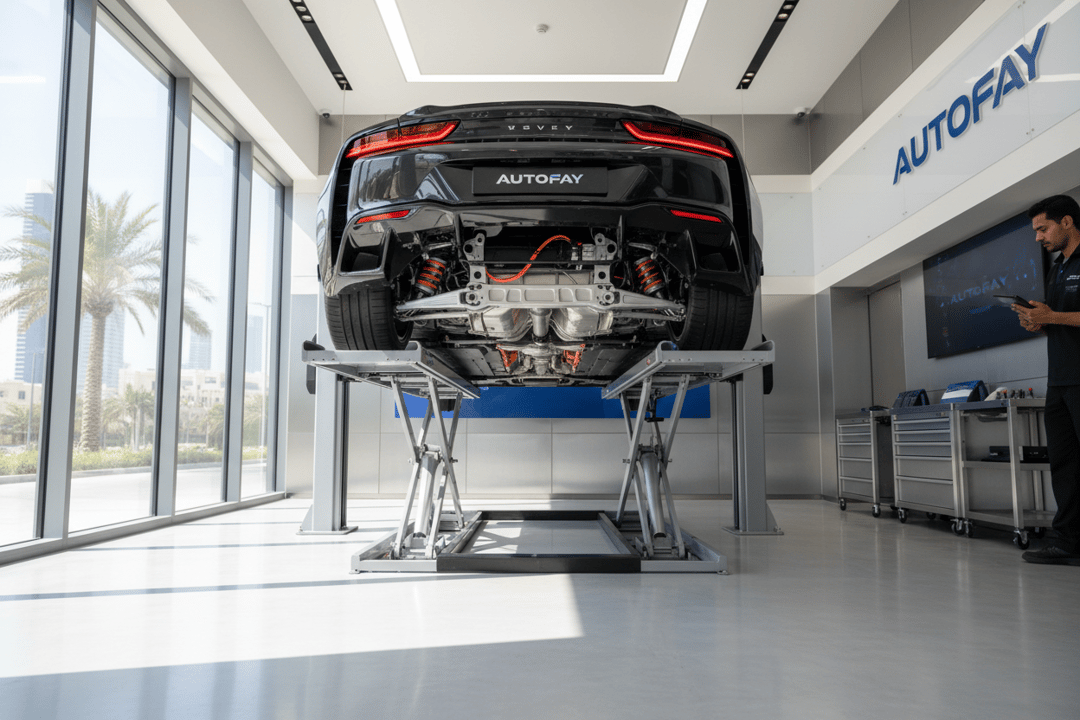
Tire manufacturing dates are a specific focus in the UAE. Tires older than six years may degrade rapidly in the high temperatures, leading to blowouts. Inspectors check the sidewall for the DOT code to determine the week and year of manufacture. Under the vehicle, inspectors look for fluid leaks from the radiator, power steering, or differential.
Choosing the Right Inspection Service
DIY inspections often miss subtle electronic faults or frame damage. A professional on-location inspection service provides a comprehensive report covering 410+ checkpoints across 25 categories. These services bring the expertise to the buyer's location, inspecting the vehicle in a controlled environment rather than a busy showroom.
Reliable inspection companies offer tiered packages to suit different budgets and needs. The services range from basic computer diagnostics to full comprehensive reports that include HD photos of every defect. This ensures the buyer receives a documented history of the vehicle's condition before making a financial commitment.
| Inspection Package | Price (AED) | Key Inclusions |
|---|---|---|
| Computer Diagnostic | AED 99 | Engine, Transmission, ABS, and Airbag error codes. |
| Body & Computer | AED 250 | Panel-by-panel paint check, accident damage assessment, and engine diagnostics. |
| Comprehensive | AED 299 | Full 410+ checkpoint inspection including frame, suspension, tires, brakes, fluids, and a road test report. |
AutoFay inspects 410+ checkpoints with HD photos and PDF report. Book at autofay.ae or call +971542584458


0 Comments
No comments yet. Be the first to share your thoughts!