

The Honda City has established itself as a dominant force in the UAE pre-owned market due to its reputation for fuel efficiency and compact dimensions. However, the intense heat and varying driving conditions across the seven Emirates place significant stress on vehicle components. A pre-purchase inspection is not merely a recommendation; it is a necessity to uncover hidden structural and mechanical anomalies that may not be visible to the untrained eye. Neglecting this step often leads to unexpected downtime and capital loss.
Familiar Mechanical Weaknesses in the Honda City
The Honda City generation currently prevalent in the UAE has specific recurring issues that inspectors frequently identify. One of the most common complaints involves engine oil consumption, often exacerbated by the high ambient temperatures. While some oil consumption is normal for high-mileage engines, excessive usage indicates worn piston rings or valve seals, which require engine disassembly to rectify. If ignored, this issue leads to rapid oil depletion, overheating, and eventual engine seizure.
Electrical gremlins also plague certain model years, particularly relating to the infotainment system and dashboard lighting. In the harsh UAE climate, temperature fluctuations can cause relays and wiring harnesses to degrade, leading to intermittent failures. Furthermore, the suspension system, designed for city driving, often suffers from worn bushings and shock absorbers due to the suspension of heavy loads common in the region. A compromised suspension reduces vehicle handling and increases tire wear, creating a cycle of additional expenses.
The Inspection Process: Engine and Transmission
A rigorous inspection begins with the powertrain, where the condition of the engine and transmission must be verified through both visual assessment and electronic diagnostics. Inspectors listen for abnormal noises such as knocking, ticking, or grinding, which often indicate bearing failure or worn valve train components. The inspection includes checking the engine mounts to ensure the engine does not vibrate excessively when the vehicle is in gear, as failing mounts transmit excessive noise to the chassis.
Transmission behavior is equally critical. Inspectors check for delayed engagement, harsh shifting, or slipping between gears. For automatic transmissions, a test drive reveals whether the car hesitates before moving from a stop. A scan of the onboard computer using an OBD tool reveals hidden error codes related to the engine, transmission, ABS, and airbag systems. This electronic verification is essential because modern vehicles rely on complex computer modules that do not always trigger dashboard warning lights even when malfunctioning.
- Oil Leaks and Levels: Inspectors inspect the engine block and sump for signs of fresh oil residue, indicating active leaks. Low oil levels upon arrival suggest a consumption issue that must be addressed before purchase.
- Exhaust Smoke: Clear exhaust indicates a healthy engine. Blue smoke signifies burning oil, black smoke indicates rich fuel mixture or sensor issues, and white smoke often points to a blown head gasket.
- Transmission Hesitation: The vehicle must accelerate smoothly without jerking or lag, which suggests the transmission fluid is degraded or the internal clutches are worn.
Structural Integrity and Bodywork
Beneath the paint lies the chassis, which tells the true history of the vehicle. Inspectors utilize a "panel-by-panel" approach to verify the authenticity of the bodywork. This involves measuring door gaps and checking for consistent panel alignment. Significant deviations from the factory standard indicate previous collision damage that may have compromised structural safety features.
Paint analysis is a non-negotiable part of the inspection process. Inspectors look for orange peel texture, mismatched colors, or grain patterns that suggest a vehicle has been repainted. They also check for signs of clear coat failure or bubbling, which indicates the presence of moisture or rust underneath the paint. The inspection extends to the frame rails, pillars, and floor pans to ensure the vehicle has not been involved in a front or rear-end collision that could compromise the passenger safety cell.
Suspension, Brakes, and Tires
The safety of the vehicle relies heavily on the braking and suspension systems. Inspectors assess the braking system by checking the brake pad percentage rating, ensuring there is sufficient material left on the pads to prevent rapid rotor wear. Worn brake lines or leaking calipers are identified to prevent brake failure. The inspection also checks the ABS sensor functionality to ensure the safety systems work correctly during emergency stops.
Tires are a critical safety component often overlooked by buyers. Inspectors verify the manufacturing date stamped on the sidewall, as tires older than five years degrade rapidly in the UAE heat, increasing the risk of blowouts. They also check for uneven wear patterns, which indicate alignment issues or suspension problems. Worn shocks and struts are identified by the "bump steer" test, where the vehicle fails to return straight after hitting a bump, leading to poor handling and tire degradation.
Service Packages and Value
Understanding the level of inspection required is vital for budgeting. A basic computer diagnostic scan identifies engine and transmission error codes but provides no insight into physical damage. A body and computer package offers a more comprehensive view of the vehicle's exterior condition and mechanical health. For the highest level of protection, a comprehensive inspection covers all aspects from frame integrity to road handling.
| Service Type | Key Inclusions | Price |
|---|---|---|
| Computer Diagnostic | OBD scan for engine, transmission, ABS, airbag codes. | AED 99 |
| Body & Computer | Panel-by-panel paint assessment + OBD scan. | AED 250 |
| Comprehensive | Full inspection including frame, suspension, tires, fluids, and road test. | AED 299 |
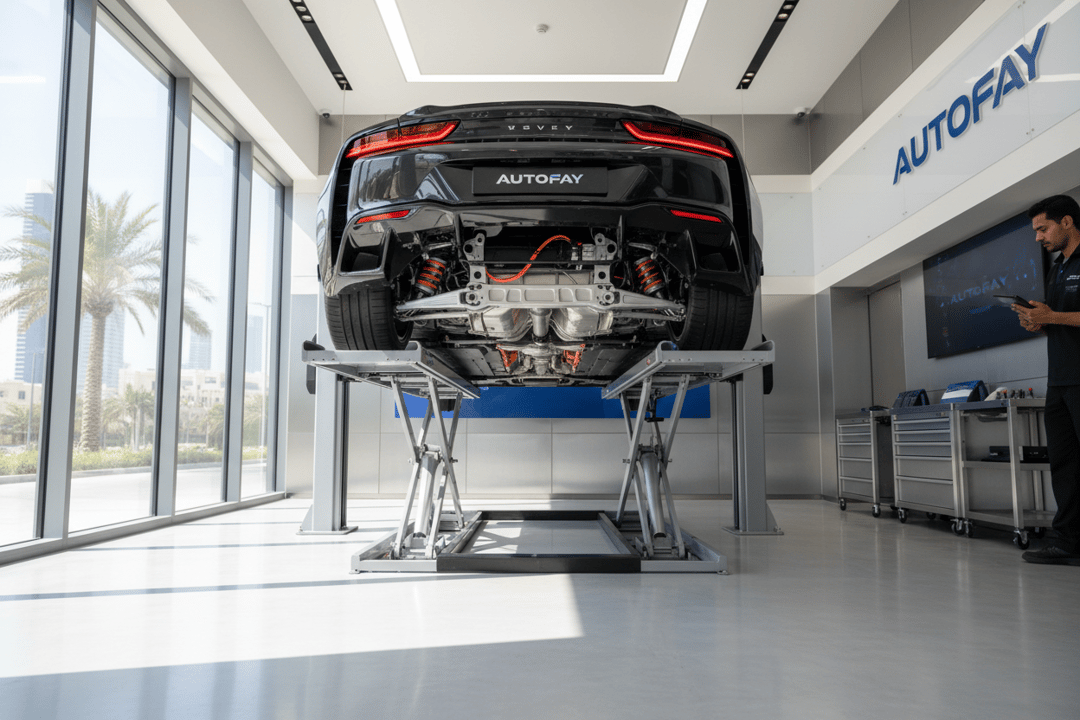
Engaging a professional service eliminates the "junkyard tax" by preventing the purchase of a vehicle with hidden salvage history or immediate mechanical failure. The comprehensive package provides a detailed report with HD photos and PDF documentation, ensuring transparency in the transaction. This service is available across all seven Emirates and is conducted on-site at the seller's location for convenience.
Red Flags Specific to the Honda City
Inspectors look for specific red flags that suggest the vehicle has been poorly maintained or abused. One major red flag is the presence of coolant in the engine oil, which indicates a blown head gasket. This is a significant failure that makes the engine unusable and is expensive to repair. Another warning sign is excessive engine vibration felt through the steering wheel or seat, which points to engine or transmission mounts that have completely disintegrated.
Electrical window malfunctions or erratic behavior of the dashboard warning lights are also significant concerns. These issues often stem from corrosion in the fuse box or water damage from roof leaks. Finally, a vehicle that requires constant topping up of fluids—whether oil, coolant, or brake fluid—suggests a system that is leaking or consuming fluids at an abnormal rate. Identifying these issues prior to signing the sales contract prevents financial liability.
AutoFay inspects 410+ checkpoints with HD photos and PDF report. Book at autofay.ae or call +971542584458



0 Comments
No comments yet. Be the first to share your thoughts!