
The Honda City remains one of the most sought-after compact sedans in the UAE market, renowned for its reliability and resale value. However, the intense climatic conditions found across the seven Emirates—scorching heat, high humidity, and abrasive road dust—place unique stress on vehicle components. A pre-purchase inspection is essential to uncover hidden defects that may not be visible during a casual test drive. Understanding these specific failure points allows buyers to negotiate effectively or walk away from a lemon. Professional inspection services utilize comprehensive checklists to verify the mechanical and structural integrity of the vehicle before ownership transfers. This analysis details the critical areas inspectors look for when evaluating a used Honda City in the local market.
Engine Health: Pressure and Heat Management
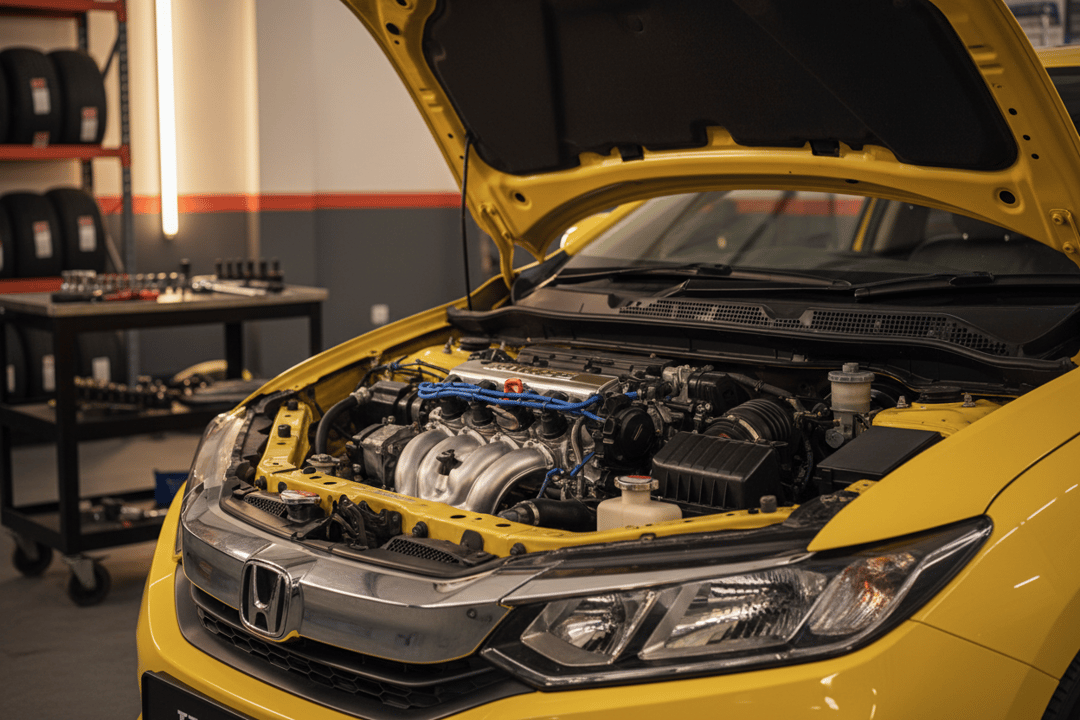
The engine bay of a pre-owned Honda City often reveals the cumulative effects of prolonged exposure to extreme temperatures. Inspectors pay close attention to the condition of the radiator and cooling hoses, as overheating is a frequent issue in UAE traffic. High ambient temperatures can cause rubber hoses to degrade prematurely, leading to leaks that compromise the engine's cooling efficiency. A thorough check involves examining the coolant reservoir for white milky residue, which indicates internal head gasket failure caused by overheating.
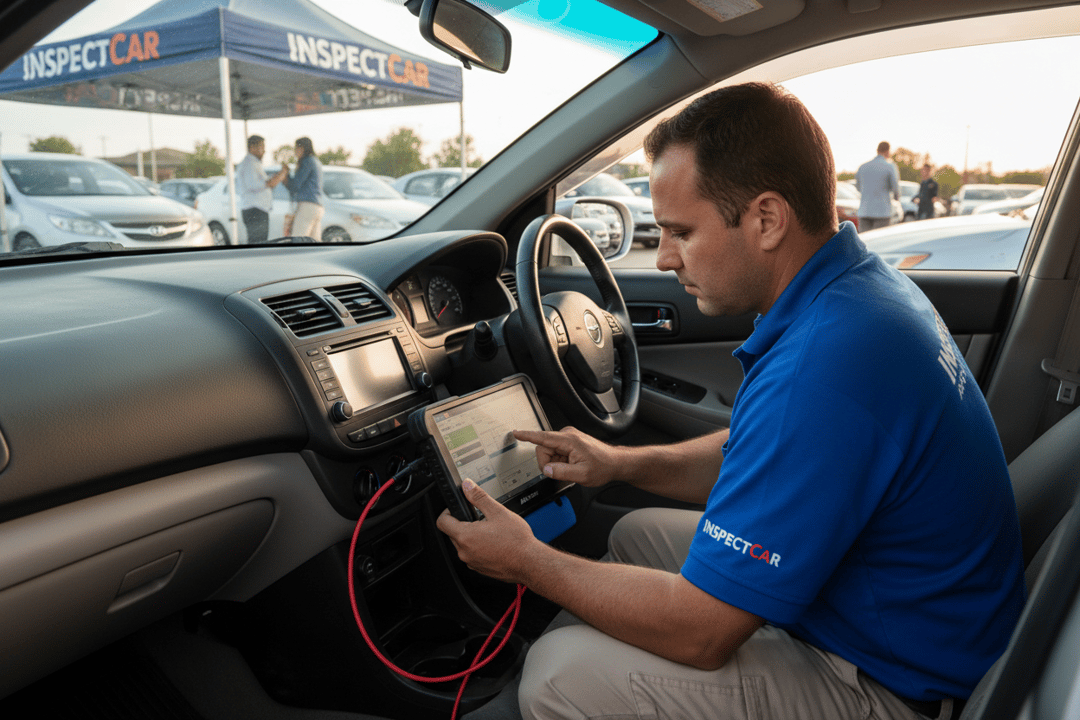
Oil consumption is another common concern for older models. The high viscosity required in summer temperatures can sometimes lead to oil burning, particularly in turbocharged variants. Inspectors listen for abnormal noises from the valve train or piston slap, which may signal excessive wear. Additionally, the condition of the timing belt and water pump is critical; if the vehicle has exceeded the manufacturer's recommended service interval, replacing these components is nearly guaranteed, regardless of the engine's current performance. A computer diagnostic scan is the standard procedure to identify Check Engine Light codes related to oxygen sensors or misfires before a road test begins.
- Turbocharger Wear: Turbo lag or whistling noises often indicate a worn wastegate or seal, which can result from the high boost pressures required in hot weather.
- Oil Leaks: Valve cover gaskets and camshaft seals frequently dry out and crack under the UAE sun, leading to oil drips that stain the driveway and lower the vehicle's value.
- Timing Chain Stretch: High mileage models may exhibit metallic ticking sounds, signaling a stretched timing chain that requires immediate replacement to prevent engine failure.
Transmission and Drivetrain Performance
Modern Honda Cities equipped with automatic transmissions, particularly the DCT (Dual-Clutch) or CVT (Continuously Variable Transmission), face specific challenges in the local driving environment. Inspectors evaluate the transmission shift quality during acceleration and deceleration. A jerky or hesitant engagement often points to worn clutch packs or solenoid issues within the transmission control unit. In CVT systems, a high-pitched whine or rubber burning smell while accelerating can indicate a slipping belt or pulley, which significantly limits the vehicle's responsiveness.
The transmission fluid itself is a critical diagnostic indicator. Dark, burnt-smelling fluid suggests the previous owner neglected fluid changes, leading to accelerated component wear. Inspectors also check the driveline for play or vibration, which can indicate worn universal joints or axles. Ignoring these symptoms often leads to complete transmission failure, resulting in a total loss of vehicle mobility. The inspection process includes a road test to verify that the transmission engages gears smoothly without delay and that the "L" (Low) gear setting functions correctly for steep inclines common in mountainous regions.
Suspension and Chassis Integrity
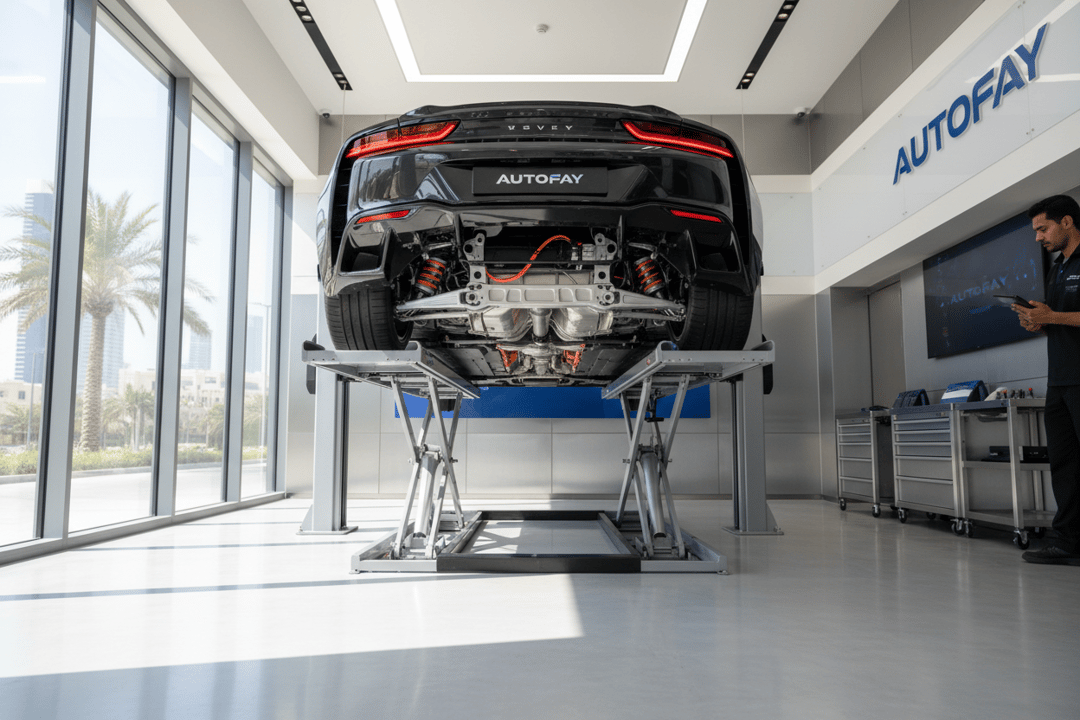
The suspension system absorbs the impact of uneven roads and potholes prevalent in many parts of the Emirates. Inspectors examine the shock absorbers and struts for signs of leakage or physical damage. Worn shocks reduce the vehicle's handling stability and increase braking distance, posing a safety risk during high-speed maneuvers. The control arms and ball joints are scrutinized for play, which creates a clunking noise when turning corners or driving over speed bumps. Rust is another significant factor to consider; while modern anti-corrosion coatings have improved, the chassis rails can still corrode, especially in coastal areas with high salinity.
The condition of the tires is directly linked to suspension health. Uneven tire wear patterns, such as cupping or feathering, are often caused by faulty suspension components. Inspectors measure tread depth and check the manufacturing date to ensure the tires provide adequate grip in wet conditions. A visual check of the undercarriage identifies any recent repair work, welding, or replacement parts that may indicate past accident damage. The alignment of the wheels is also assessed to ensure fuel efficiency is not compromised by poor tracking.
- Shock Absorber Failure: Leaking fluid or lack of damping control leads to a bumpy ride and increased stopping distances, particularly dangerous during sudden braking in heavy traffic.
- Control Arm Bushings: Cracked or disintegrated bushings cause excessive vibration and noise, affecting ride comfort and steering precision.
- Frame Rust: Corrosion on the sills or chassis rails compromises the structural safety of the vehicle, potentially leading to suspension component detachment.
Electrical Systems and Climate Control
For the average UAE driver, the air conditioning system is the most critical component of the vehicle. Inspectors conduct a detailed analysis of the AC system, checking the compressor clutch, condenser, and refrigerant levels. A weak or warm air output indicates potential leaks or compressor failure, which are expensive to repair. The electrical system also undergoes rigorous testing, focusing on the battery and alternator. High electrical loads from constant air conditioning usage can deplete the battery life, while a failing alternator fails to recharge it, leaving the driver stranded.
Dashboard warning lights, such as the ABS and Airbag indicators, must be verified as "off" during operation. A malfunctioning sensor in these systems can be merely a fuse or wiring issue, or it could indicate a more serious structural or safety system failure. The inspection includes scanning for any stored error codes in the Engine, Transmission, ABS, and Airbag modules. Corrosion on battery terminals and loose wiring connections are also common culprits for intermittent electrical gremlins that can frustrate the driver.
Package Comparison and Inspection Scope
Understanding the scope of a professional inspection is vital for buyers to select the appropriate level of due diligence. Different packages offer varying degrees of scrutiny, ensuring that critical systems are not overlooked. The table below outlines the differences between the available inspection packages provided by AutoFay.
| Package Name | Price | Key Inclusions |
|---|---|---|
| Computer Diagnostic | AED 99 | OBD scan for engine, transmission, ABS, and airbag codes; identification of stored faults. |
| Body & Computer | AED 250 | Panel-by-panel body paint analysis for originality; frame and pillar inspection; computer diagnostic scan. |
| Comprehensive | AED 299 | Full inspection of 25 categories; road test; brakes, suspension, tires, and fluid analysis; HD photos and PDF report. |
Conclusion
Purchasing a used vehicle in the UAE requires a keen eye for detail and an understanding of how local driving conditions impact specific components. From engine overheating due to heat stress to suspension failure from rough terrain, these vehicles demand thorough vetting. Utilizing a professional inspection service ensures that every aspect of the machine is documented and verified. Comprehensive checks cover critical systems, preventing unforeseen repair bills after the purchase is finalized.
AutoFay inspects 410+ checkpoints with HD photos and PDF report. Book at autofay.ae or call +971542584458.


0 Comments
No comments yet. Be the first to share your thoughts!