

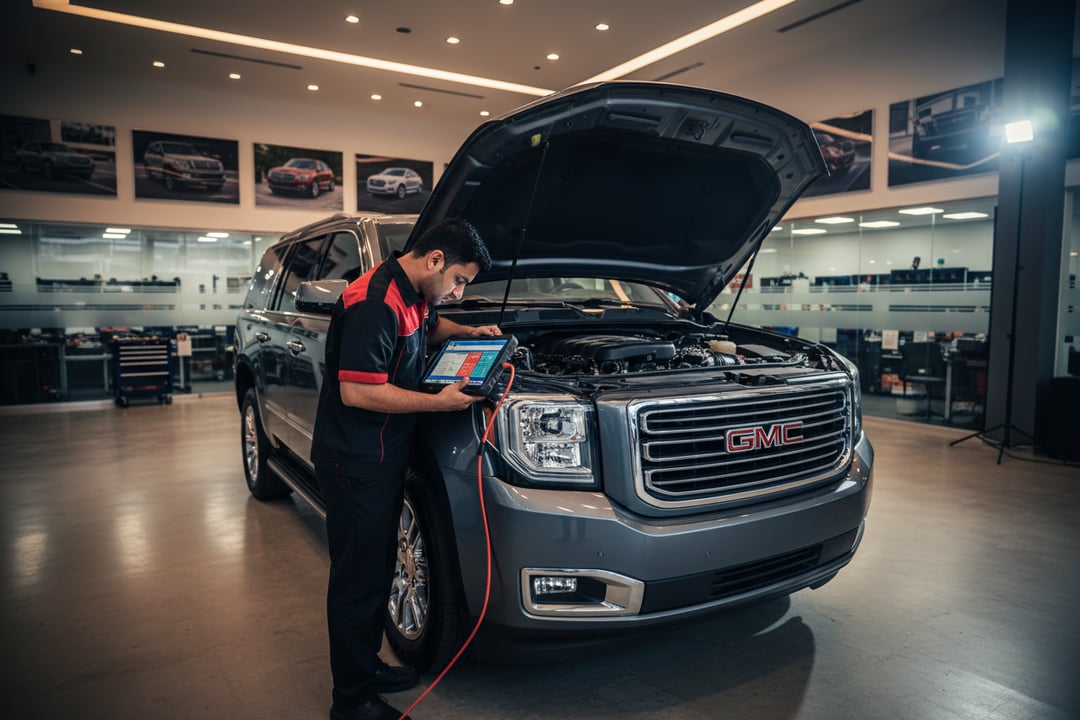
The GMC Yukon is a full-size SUV that commands attention on UAE roads, offering significant cargo space and commanding road presence. However, as a heavy-duty vehicle often used for commercial transport or large family duties, its mechanical and structural components endure significant stress. Purchasing a pre-owned Yukon requires a rigorous evaluation of its durability, especially given the harsh operating conditions common in the Emirates. A non-negotiable step before finalizing the transaction is a professional vehicle inspection. This guide details the critical inspection points specific to the Yukon, helping buyers identify potential issues before they become expensive liabilities.
Engine and Drivetrain: The Powertrain Assessment
The heart of the Yukon is typically its large displacement V8 engine, available in 5.3L or 6.2L configurations. These powerhouses generate substantial torque but are prone to specific high-mileage wear patterns. Inspectors must verify that the engine operates without excessive baseline hesitation or stumble during startup. A common failure point in older models is oil consumption; excessive oil burning often indicates worn valve stem seals or piston rings, which can lead to sludge buildup if not addressed.
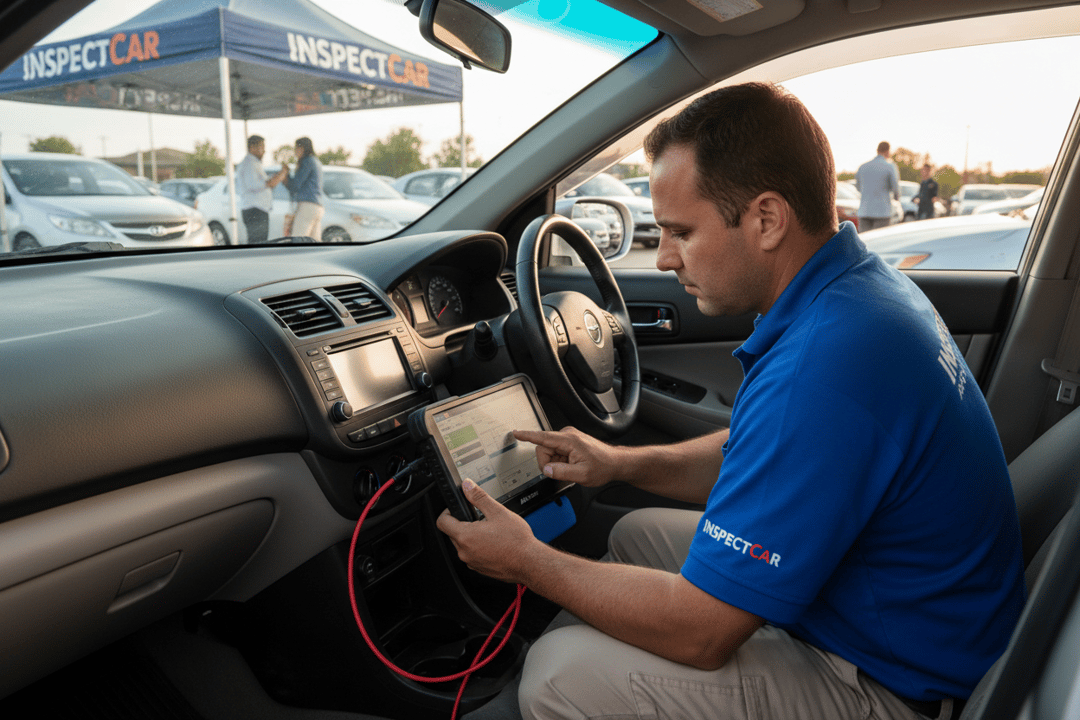
The transmission, specifically the six-speed or ten-speed automatic units, must be subjected to a comprehensive load test. Shifting should be smooth and immediate, without harsh clunks or delayed engagements, particularly when moving from a standstill. Inspectors check the transmission fluid condition for a burnt smell or a reddish-brown tint, which signals internal wear. Utilizing an On-Board Diagnostics (OBD) scanner is essential to detect hidden error codes or pending faults in the transmission control module that the driver may not notice.
Transmission and Driveline Checkpoints
The heavy chassis weight places immense stress on the driveline components. Inspectors listen for whining noises during acceleration, which indicate worn pinion bearings in the differential. CV boots must be inspected for tears, as leaked grease will attract abrasive desert sand, leading to premature axle failure. The transfer case, if four-wheel drive is equipped, should engage smoothly without grinding noises, ensuring the vehicle can handle sand and rain without mechanical lockup.
Suspension and Ride Dynamics
Because the Yukon is exceptionally heavy compared to its smaller counterparts, its suspension system works harder to maintain stability. Worn suspension components are a primary red flag for this vehicle. Inspectors examine ball joints and tie rod ends for excessive play, which can lead to a loss of steering control. The control arm bushings must be checked for cracks or deterioration; if these fail, the vehicle will exhibit a distinct "floaty" or loose feeling, compromising handling precision.
Shocks and struts are critical for ride quality and vehicle safety. A Yukon with worn dampeners will bounce excessively over speed bumps or settle slowly after hitting bumps, indicating insufficient damping force. This not only creates an uncomfortable ride but also increases stopping distances and tire wear. A professional test drive allows the inspector to evaluate the vehicle's ability to absorb road imperfections without instability. Vibration through the steering wheel or brake pedal often points to warped rotors or misaligned suspension geometry.
Body Integrity and Paint Analysis
The structural integrity of the Yukon is vital for safety, especially given its size. Inspectors look for evidence of frame damage, often hidden behind bumper covers or undercarriage components. The unibody structure should be straight, with no visible cracks or excessive separation at the weld lines. The floor pan is a high-risk area for corrosion in the UAE due to occasional water accumulation, so inspectors use mirrors and flashlights to check for bubbling paint or rust patches on the underbody.
Paint consistency is a key indicator of accident history. The Yukon should be inspected panel-by-panel to identify mismatched colors, rough edges, or orange peel texture indicative of poor repainting. Areas around the wheel arches and door handles often show scratches from daily driving, which are normal, but deep scratches exposing bare metal suggest exposure to moisture and salt. Any signs of body filler (bondo) should be investigated, as this is often used to hide structural damage rather than cosmetic imperfections.
Key Inspection Categories
A professional inspection covers a wide spectrum of vehicle systems to ensure comprehensive safety and functionality. Using a structured approach allows for the identification of issues that might be missed during a casual walk-around. Specialists categorize their checks into specific groups to ensure nothing is overlooked. Below is a breakdown of the standard categories inspected to determine the vehicle's true condition.
| Inspection Category | Key Checks |
|---|---|
| Brakes | Pad thickness rating, rotor condition, fluid level, and pedal feel. |
| Tires | Manufacturing date (beyond 6 years is unsafe), tread depth, and uneven wear patterns. |
| Fluids | Color and consistency of engine oil, coolant, power steering, and brake fluid. |
| Electronics | Functionality of power seats, mirrors, infotainment, and sensor systems. |
The Importance of Road Testing
The road test is the most critical phase of the inspection process. It provides real-world data on how the vehicle operates under load. Inspectors listen for abnormal noises such as clunking, squealing, or hissing from the engine or chassis. They also verify that all dashboard warning lights illuminate upon startup and extinguish once the engine is running. Acceleration should be linear and free of hesitation, while braking should be firm and consistent without pulling to one side.
Red Flags: What to Avoid
Certain warning signs should immediately disqualify a Yukon from purchase or trigger a significant price negotiation. The most obvious red flag is blue or white smoke from the exhaust pipe. Blue smoke typically indicates burning engine oil, while white smoke can signify a cracked cylinder head or a blown head gasket, both of which require extensive engine work.
Another major warning sign is the "check engine" light remaining permanently illuminated. While some minor sensors trigger this, a persistent light usually points to a malfunctioning catalytic converter or oxygen sensor, which can severely affect fuel economy and emissions compliance. Persistent vibrations at high speeds often point to unbalanced wheels or bent rims, which are common after hitting potholes or speed bumps in urban environments. Additionally, a strong smell of gasoline while driving suggests a fuel leak, a critical safety hazard that requires immediate repair.
Before committing to the purchase of a used GMC Yukon, relying on a professional vehicle inspection is the only way to mitigate the risks associated with high-mileage ownership. Comprehensive checks ensure that critical safety systems are functioning and that expensive repairs have not been hidden by the seller. Relying on a experienced expert provides an objective assessment of the vehicle's condition.
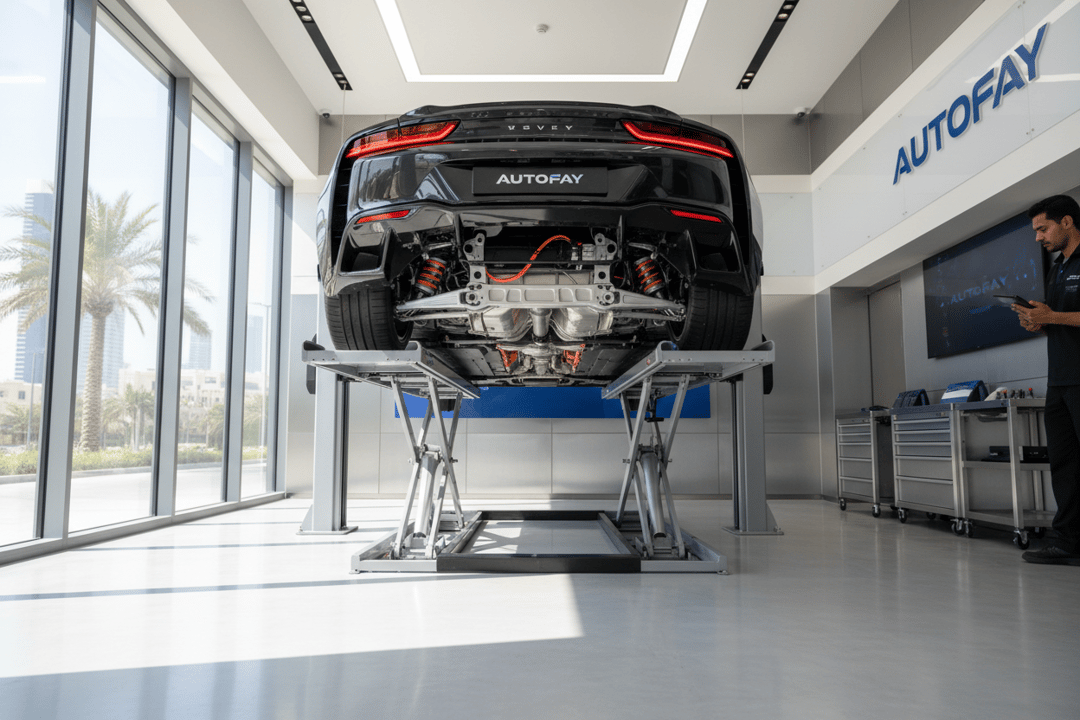
AutoFay provides a on-location inspection service covering all 7 Emirates, delivering detailed reports directly to the buyer. Their comprehensive service includes a Computer Diagnostic scan for AED 99, a detailed Body and Computer check for AED 250, and a full analysis for AED 299. AutoFay inspects 410+ checkpoints with HD photos and PDF report. Book at autofay.ae or call +971542584458.



0 Comments
No comments yet. Be the first to share your thoughts!