


The Genesis GV80 represents a significant shift in the competitive mid-luxury SUV segment, offering styling and technology that rivals established German manufacturers. As a experienced inspector, I see these vehicles frequently, and while they are capable machines, they possess a unique set of mechanical and electronic complexities. Purchasing a used GV80 requires a forensic level of scrutiny. The vehicle shares its platform with the Kia Telluride and Hyundai Palisade, meaning many components are robust, but the integration of luxury electronics introduces new variables. An unverified GV80 can hide issues ranging from software glitches to structural damage that compromises safety. This guide outlines exactly what inspectors look for and how to avoid a costly mistake.
The Genesis GV80 Profile: A Shared Platform with Unique Risks
The GV80 rides on the i-GMP platform, which changes the driving dynamics compared to older generations. This architecture is generally reliable, but it places high demands on the tires and suspension. In the UAE climate, the heat accelerates the degradation of rubber components and fluid oxidation. Inspectors analyze the vehicle’s history alongside its physical condition. The complexity of the infotainment system and driver-assistance features in the GV80 means that software glitches are more common than mechanical breakdowns in this specific model. Understanding the difference between a software bug and a hardware failure is crucial when evaluating the vehicle.
Because the platform is shared, wear and tear items like brake pads and rotors are similar to those found in the Kia Telluride, which suggests they will wear at a predictable rate. However, the GV80’s larger engine options and heavier curb weight place different stressors on the drivetrain components. A pre-purchase inspection must differentiate between normal wear and stress-related failure. Simply relying on a mechanic’s casual glance is insufficient for a luxury vehicle of this caliber.
Potential Technical Weak Points in the GV80
Digital architecture is the GV80’s greatest asset and its most significant vulnerability. Inspectors prioritize checking the onboard diagnostics for stored error codes. The infotainment system is known to freeze or reboot randomly on certain model years. This is often a software issue, but it can sometimes indicate a failing power distribution module or overheating components. A dead infotainment screen does not stop the car, but it disables navigation, music, and emergency communication features, rendering the vehicle undrivable in certain scenarios.
Another area of concern involves the turbocharger systems. The twin-turbocharged engines found in higher trims are complex. Inspectors listen for "tick" or "knock" sounds during the road test. A ticking noise from the engine bay usually points to a failing turbocharger or lifter issue. This is a major repair that involves disassembling the engine. Additionally, if the engine produces blue smoke during acceleration, it indicates oil burning. This is common in high-pressure direct-injection engines and signals that internal piston rings or valve seals are worn, leading to permanent oil consumption that will only worsen over time.
- Infotainment Glitches: Frequent reboots or screen blackouts indicate potential software or power module issues.
- Turbocharger Noise: Ticking sounds usually mean failing turbochargers, requiring full engine disassembly.
- Oil Consumption: Blue smoke or dips in oil level between changes suggest worn piston rings or seals.
- Sunroof Leaks: The complex mechanical sliding roof often develops drainage failures in the A/C condensate channels, leading to carpet water damage.
Mechanical Inspection Focus Areas
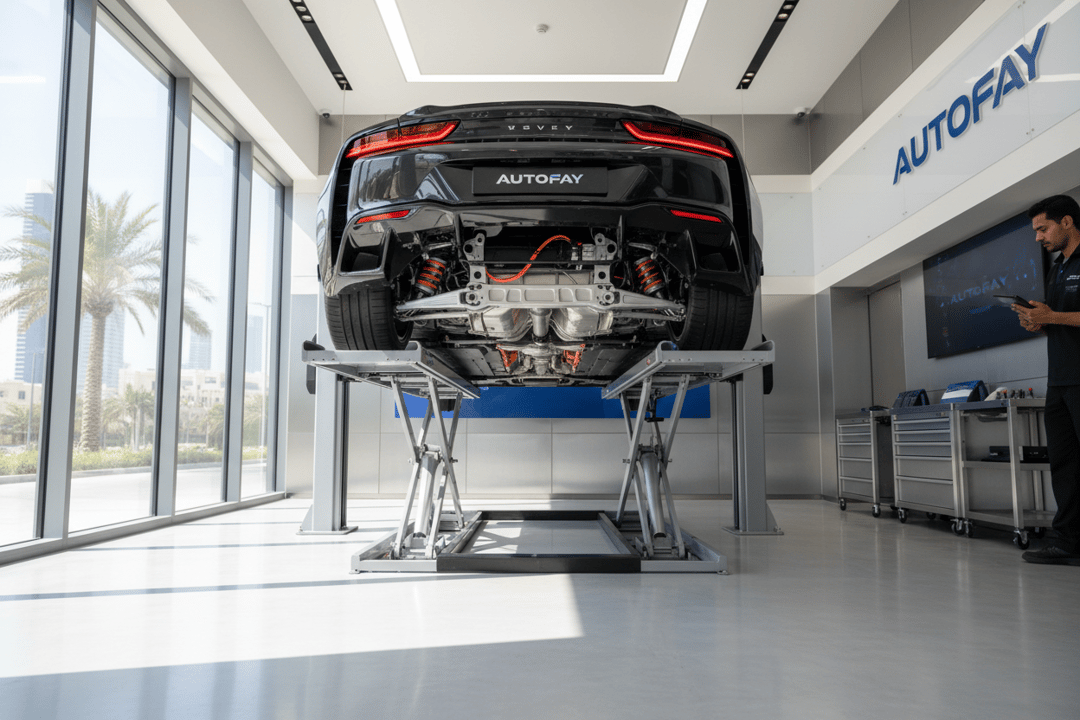
When a vehicle arrives at our facility, we organize the inspection into distinct categories to ensure nothing is missed. The engine bay requires a visual check of all wiring harnesses for heat damage or corrosion, especially around the battery terminals and fuse box. Inspectors check the engine mounts; if these are worn, the engine will vibrate excessively when shifting gears or idling. A failed engine mount allows the engine to shift position under load, potentially damaging the transmission bell housing.
The transmission is monitored closely during the road test. The GV80 should shift smoothly between gears without hesitation. A hard shift or a delay in acceleration indicates slipping clutches or valve body issues. We also assess the brakes using a pad percentage rating. Inspectors measure the remaining thickness of the brake pads against the manufacturer’s minimum specification. Low pad thickness means immediate replacement is required, and worn rotors will warp quickly with cheap aftermarket pads.
Fluid levels and conditions are critical indicators of long-term health. The transmission fluid should be bright red and smell sweet. If it is brown and smells burnt, the transmission may be on the verge of failure. Brake fluid absorbs moisture over time, which lowers its boiling point and compromises braking performance. Inspectors check the brake fluid condition to ensure the safety of the vehicle's stopping power.
Structural Integrity and Body Condition
Structural health is non-negotiable for any SUV, but the GV80 is particularly sensitive to frame damage due to its unibody design and sophisticated safety systems. The safety sensors and airbag modules are located in the B-pillars and dashboard area. Even a minor accident that bends a B-pillar can disable the side-impact airbags and misalign the passenger airbag sensor. This renders the vehicle unsafe for occupants in a collision.
Inspectors perform a panel-by-panel paint analysis to detect mismatched shades, which indicates previous bodywork. We check the gap consistency between doors and the hood. Uneven gaps suggest the vehicle was struck and repaired without precise re-measurement. The frame rails and floor pan are inspected for signs of rust or corrosion, particularly in the wheel wells and near the fuel tank. Rust in these areas compromises the structural rigidity of the vehicle.
The suspension system is rigorously tested. The GV80 often features air suspension, which is expensive to maintain. Inspectors look for leaks in the air struts or the air bags themselves. If an air strut leaks, the vehicle will sag on one corner, causing uneven tire wear and a harsh ride. We also check tie rods and ball joints for play, which would require replacement to prevent the vehicle from wandering or losing steering control.
GV80-Specific Red Flags
Inspectors are trained to recognize specific failure points common to the GV80 model. The liftgate (tailgate) mechanism is a known weak point. The motors and struts that lift the heavy glass can fail, resulting in the tailgate falling on someone's head or refusing to open. Checking the past service history for liftgate repairs is essential.
Another red flag is the electronic parking brake mechanism. In some models, the parking brake cables or the electronic actuator can seize, leading to difficulty releasing the brake or overheating. This is a safety hazard that requires immediate mechanical attention. Additionally, the tire pressure monitoring system (TPMS) sensors can be sensitive to road conditions; if sensors are frequently triggering false warnings, the wiring harness near the tire wells may have been damaged, or the sensors themselves are failing.
Inspectors also scrutinize the vehicle's electronic control units (ECUs) for water damage. In previous Hyundai/Kia models, water ingress in the fuse box caused catastrophic battery drain. While the GV80 has improved, checking the engine bay for dampness behind the dashboard or under the hood is a vital step in preventing future electrical fires.
Choosing the Right Inspection Package
Not all inspections are created equal, and the complexity of the GV80 demands a thorough checklist. We offer three distinct service tiers to cover different levels of scrutiny. The Computer Diagnostic package at AED 99 provides a snapshot of the vehicle's health. This checks the Engine, Transmission, ABS, and Airbag systems for error codes. It is the bare minimum for identifying hidden electronic faults that a visual inspection cannot catch.
For a complete overview, the Body & Computer package at AED 250 adds visual inspection of the exterior and interior. Inspectors check for accident damage, paint quality, and tire manufacturing dates. This package ensures the vehicle looks as good as it runs, identifying cosmetic issues that depreciate the car's value.
The Comprehensive package at AED 299 is the industry standard for serious buyers. This service includes our full 410+ checkpoints across 25 categories. It covers the engine, transmission, brakes, suspension, fluids, road test performance, and structural integrity. This is the only way to ensure that the GV80 has not been abused or modified in a way that affects its performance or safety.
| Package | Price | Scope |
|---|---|---|
| Computer Diagnostic | AED 99 | Engine, Transmission, ABS, Airbag Codes |
| Body & Computer | AED 250 | Paint analysis, scratch check, and error codes |
| Comprehensive | AED 299 | 410+ checkpoints: Structure, Mechanics, Fluids |
The decision to purchase a used luxury SUV should be based on data, not emotion. A failed turbocharger or air suspension leak can lead to a bill exceeding the vehicle’s residual value. Relying on a 15-minute walk-around by a dealer is risky. The potential consequences of a hidden fault range from severe engine damage to compromised safety systems.
AutoFay inspects 410+ checkpoints with HD photos and PDF report. Book at autofay.ae or call +971542584458.




0 Comments
No comments yet. Be the first to share your thoughts!