
The Ford Mustang represents the quintessential American muscle car experience, commanding attention on UAE roads with its aggressive styling and powerful V8 engine. However, purchasing a used Mustang requires a distinct level of scrutiny due to its high-performance nature and the specific environmental factors present in the region. While the car offers exhilarating performance, its complex engineering and sport-tuned components are susceptible to wear and failure under stress. A thorough pre-purchase inspection is the only objective method to determine whether a Mustang is a reliable purchase or a costly project.
The 5.0L Coyote Engine and Transmission Dynamics
The heart of the modern Mustang is the capable Coyote V8, a engine known for its power but also specific maintenance requirements. Inspectors must evaluate not only the engine's sound but also its physical condition. A high-pitched ticking sound may indicate a lifter issue, while a knocking sound suggests deeper internal damage. Furthermore, the high-revving nature of the Coyote engine can lead to carbon buildup on the intake valves, which impacts fuel efficiency and throttle response.
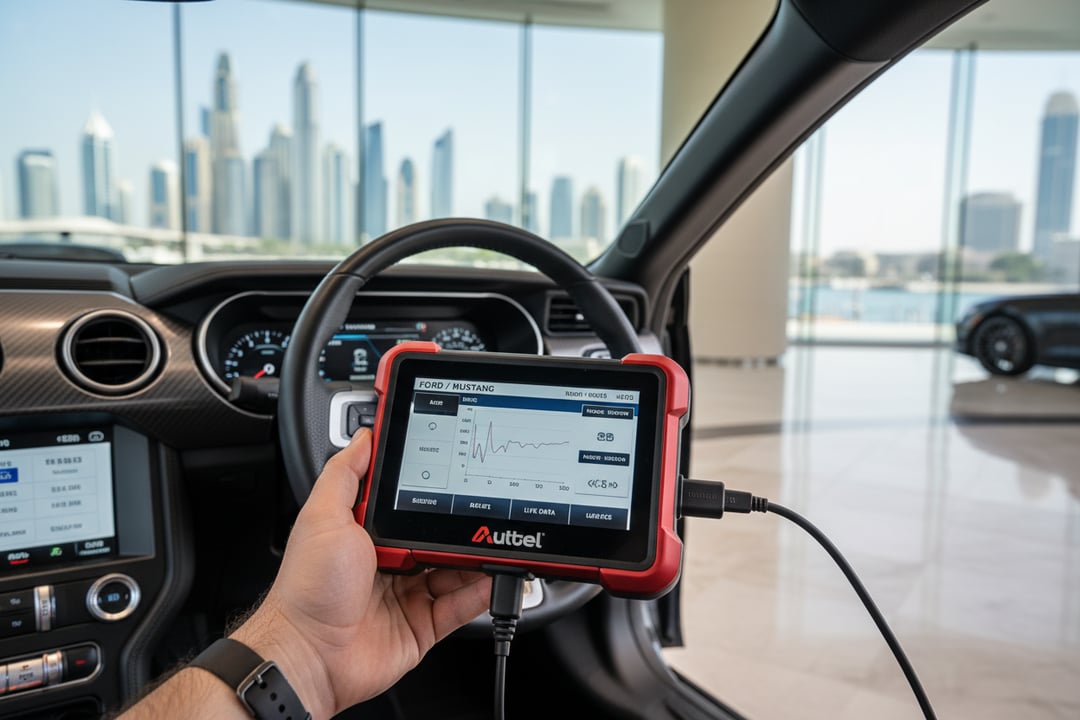
The 10-speed automatic transmission is a crucial component to inspect. Many owners report harsh shifting or delayed engagement, which can be considered normal wear or a sign of failing solenoids. A experienced inspector will evaluate the transmission fluid condition; burnt fluid often signals internal clutch wear. This is where an OBD scan becomes essential. Modern OBD scanners can retrieve trouble codes related to transmission slippage, sensor failures, and electrical gremlins that might not be immediately apparent during a test drive. Without a clear diagnostic history, transmission failure can result in the loss of all driveability.
Suspension and Chassis Integrity
Because the Mustang is engineered for handling corners and high speeds, its suspension components endure significant stress. The factory suspension, while capable, often becomes stiff over time, leading to faster degradation of bushings and mounts. Inspectors must pay close attention to the shock absorbers and struts. If the vehicle bottoms out over bumps or exhibits a "bouncy" ride, the shock absorbers are likely worn out, requiring replacement to maintain control and safety.
Another critical area is the chassis and subframe. Look for excessive play in the steering wheel when the wheel is turned left and right while the car is stationary. This indicates worn tie rod ends or ball joints. Severe rust or corrosion is rare in the UAE due to the dry climate, but owners who wash the car frequently or drive near the coast may experience dry rot in rubber suspension components. A comprehensive inspection of the frame rails and floor pans is necessary to ensure the structural integrity of the vehicle has not compromised in a previous accident.
Electrical Systems and Electronic Complexity
Modern performance vehicles rely heavily on electronic control units (ECUs) to manage engine timing, fuel injection, and transmission shifting. The Ford Mustang is equipped with complex electronics that can sometimes behave erratically. Common red flags include flickering dashboard lights, unresponsive infotainment screens, or the "check engine" light illuminating intermittently. These issues can be caused by faulty ground connections or failing sensors.
An OBD scan is mandatory to verify that there are no pending or stored codes related to the airbag system, traction control, or ABS. A malfunctioning airbag module, for instance, can result in total failure of the safety restraint system during a collision. Inspectors must also check the battery and alternator output to ensure the high electrical demand of the Mustang's performance features is being met, or the car will fail to start after sitting idle for a period.
Body, Paint, and Accident History
While the Mustang's bodywork is designed to turn heads, it is also prone to dings and scratches due to its aggressive front and rear styling. Inspectors will conduct a panel-by-panel inspection to differentiate between normal wear and damage caused by accidents. A primary red flag is uneven paint thickness, which can be detected using a paint thickness gauge. This indicates that panels have been repainted to cover previous accident damage.
Closely examine the panel gaps between doors, the hood, and the trunk. Uneven gaps suggest that a panel has been removed and realigned incorrectly, often following a collision. The inspector must also inspect the lower body panels for signs of impact, such as crumpled fenders or bumper radiators, which could indicate a front-end collision. Checking the condition of the VIN plate and ensuring it matches the registration documents is a mandatory step to verify legal ownership.
Brake Performance and Tire Wear
Stopping a heavy, high-performance vehicle requires robust braking systems. The Mustang typically features large Brembo brakes on performance models, which are subject to significant heat stress during daily driving in the Emirates. Inspectors measure brake pad thickness using a gauge; if the pads are less than three millimeters thick, replacement will be required immediately. Worn brake pads can damage the rotors, leading to a grinding noise and reduced stopping power.
Additionally, tires are a critical safety component. Inspectors check the manufacturing date of the tires using the DOT code. Tires over six years old may have degraded rubber compounds, even if the tread depth appears sufficient. Uneven tread wear on the front tires often indicates worn suspension components, such as ball joints or tie rods, which can cause the vehicle to pull to one side during braking. Addressing tire and brake issues is non-negotiable for safe operation.
The Critical Role of a Professional Inspection Service
Attempting to inspect a high-performance vehicle like the Ford Mustang without professional tools and experience is a gamble. The nuances of engine performance, electrical faults, and structural integrity require a trained eye and specialized equipment. Relying on visual inspection alone often misses hidden issues that will surface shortly after purchase.
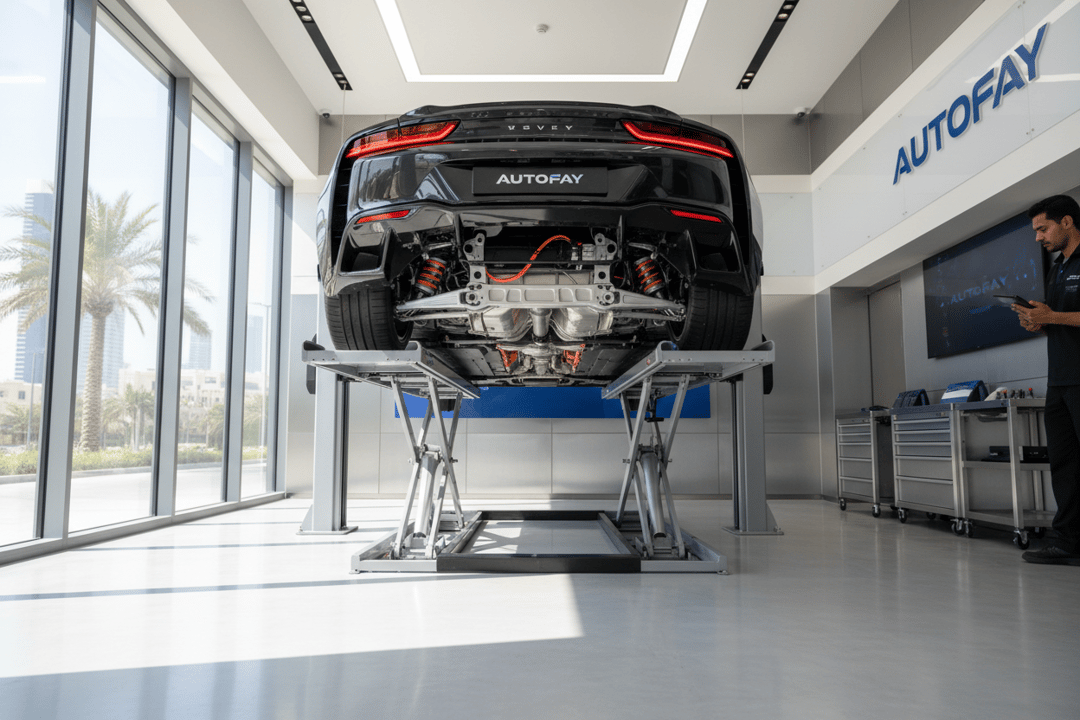
Utilizing a licensed inspection service eliminates the risk of purchasing a vehicle with undisclosed major defects. Services such as AutoFay provide a on-location solution that covers all seven Emirates, bringing the inspection expertise directly to the seller's location. The process involves a rigorous assessment covering over 200 checkpoints across 25 distinct categories. This ensures that no aspect of the vehicle's condition is overlooked.
| Inspection Category | Key Focus Areas | AutoFay Service |
|---|---|---|
| Engine & Drivetrain | Oil leaks, carbon buildup, transmission shifts, OBD codes | Computer Diagnostic AED 99 |
| Body & Paint | Panel alignment, paint thickness, accident damage, frame integrity | Body & Computer AED 250 |
| Comprehensive | Full mechanical and structural analysis | Comprehensive AED 299 |
For buyers in the UAE, the investment in a professional inspection is a fraction of the potential cost of a catastrophic mechanical failure. A detailed inspection report provides a factual record of the vehicle's condition, serving as a protective measure against misrepresentation and hidden defects. By understanding the specific common problems associated with the Mustang and utilizing a professional service, buyers can navigate the market with confidence.
AutoFay inspects 410+ checkpoints with HD photos and PDF report. Book at autofay.ae or call +971542584458


0 Comments
No comments yet. Be the first to share your thoughts!