
The Ford Explorer has long been a benchmark in the mid-size SUV segment, offering a blend of towing capacity, passenger space, and off-road capability. In the UAE market, this vehicle appears in various configurations, from older gas-powered models to modern turbocharged equivalents. However, purchasing a used Explorer requires a rigorous approach, as certain mechanical and structural characteristics can dictate long-term reliability. A pre-purchase inspection is not merely a formality but a critical step in uncovering latent defects that may not be visible during a standard walk-around. This guide outlines the essential areas inspectors scrutinize, common failure points, and how professional services facilitate an informed acquisition.
Engine and Transmission Dynamics
The engine bay of a Ford Explorer is the heart of the vehicle's performance, particularly in models equipped with the capable Twin-Turbo V6. Inspectors pay close attention to oil consumption, as higher mileage units in the UAE often exhibit this behavior. Excessive oil consumption can lead to sludge buildup within the crankcase, which restricts oil circulation and accelerates wear on bearing surfaces. If the dipstick shows low levels or a frothy texture, the consequences include catastrophic engine failure or potential damage to the catalytic converters.
Transmission health is equally critical. The Explorer typically utilizes a 10-speed automatic transmission in newer trims, which, while efficient, is susceptible to valve body wear and solenoid failure. During an inspection, the gear changes must be smooth and immediate. A transmission that hesitates between shifts or slips under load indicates internal component degradation. Ignoring these symptoms leads to a complete loss of drivability and necessitates an expensive rebuild or replacement.
- Oil Consumption: High-mileage Explorers often require more frequent top-ups. Inspectors check for blue smoke from the exhaust, which indicates burning oil, leading to potential engine damage or costly emissions failures.
- Transmission Hesitation: Slipping gears or delayed engagement during acceleration point to worn clutches or valve body issues, resulting in unsafe driving conditions.
- Cooling System Integrity: Failure of the radiator or water pump can lead to overheating. Overheating causes head gasket failure, turning a cooling repair into a major engine rework.
Structural and Body Considerations
The Explorer features a unibody structure that incorporates aluminum components to reduce weight. While this offers performance benefits, it requires specific attention during an inspection. Body panels must be inspected for signs of misalignment, which can indicate previous collision damage that may have compromised the structural rails. Inspectors use paint thickness gauges to differentiate between original factory paint and repaints, as body filler over large areas often hides rust or bondo repairs.
Interior rust is less common in the UAE due to the dry climate, but corrosion can still develop around the door sills, wheel arches, and the rear differential housing. Inspectors will probe these areas with a screwdriver to detect any softening of the metal. Structural integrity is paramount; compromised frame rails or weakened B-pillars can lead to vehicle instability during high-speed cornering, posing significant safety risks.
Comprehensive Inspection Categories
A thorough evaluation involves a systematic review across multiple systems to ensure no component is overlooked. Below are the key categories a experienced inspector evaluates to determine the overall condition of the vehicle.
- Braking System: Brake pads and rotors are measured for thickness. A worn braking system reduces stopping distance and can damage the ABS sensors if not addressed, leading to erratic anti-lock braking behavior.
- Suspension and Steering: Technicians check for worn ball joints, control arm bushings, and tie rod ends. Clunking noises or play in the steering wheel indicate imminent component failure, causing alignment issues and tire wear.
- Tire Condition: Tires are checked for manufacturing date to ensure they are not aged rubber, which becomes brittle and prone to blowouts. Uneven tread wear reveals suspension or alignment problems.
- Electrical Systems: Modern Explorers rely on complex electronics. Inspectors verify the functionality of power accessories, sensors, and the infotainment system to prevent unexpected electrical malfunctions.
- Fluids and Levels: Engine oil, coolant, brake fluid, and power steering fluid are checked for consistency and color. Contaminated fluids accelerate wear on internal components and reduce braking efficiency.
Professional Inspection Services
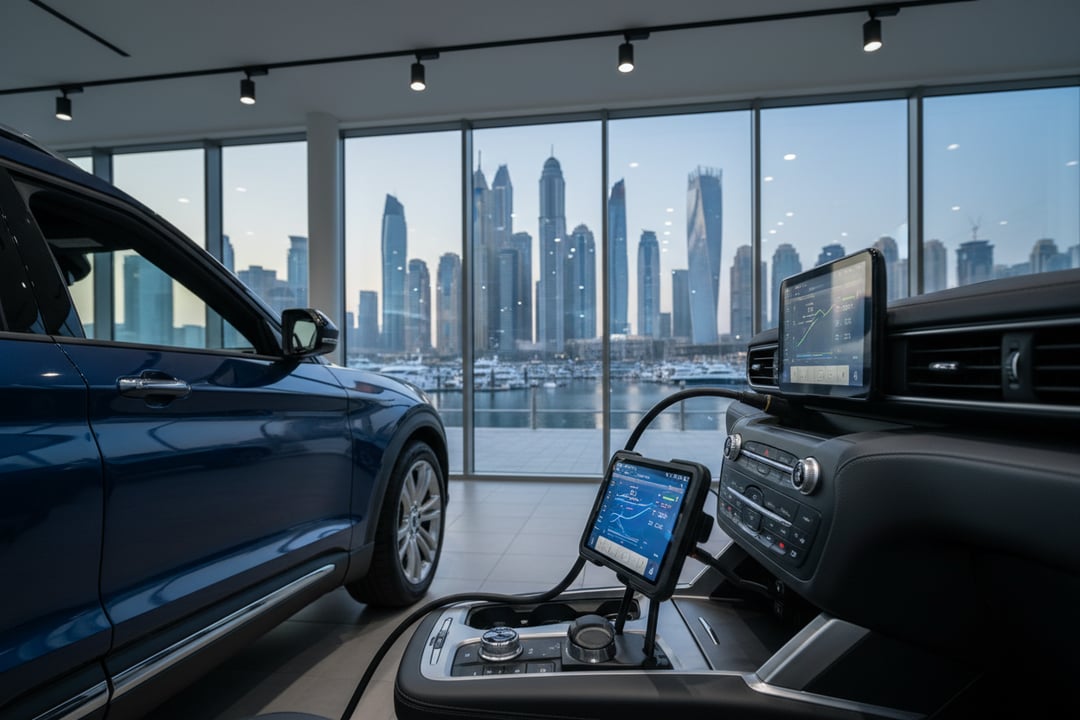
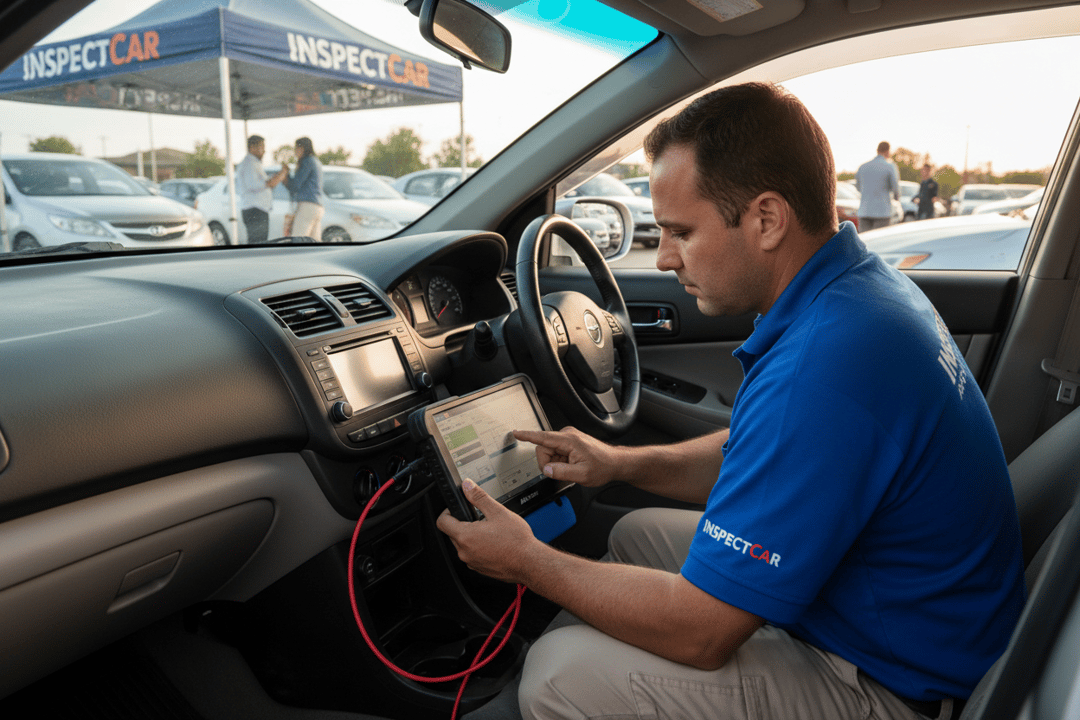
While visual checks are helpful, the nuances of a used vehicle often require diagnostic tools and expert eyes. Professional inspection services provide a detailed roadmap of the vehicle's health. Specialists utilize diagnostic scanners to read Engine Control Module (ECM) and Transmission Control Module (TCM) data, identifying trouble codes that may not trigger warning lights on the dashboard.
For buyers seeking a detailed analysis, services are available across the seven Emirates. Comprehensive inspections cover 410+ checkpoints across 25 distinct categories, ensuring every aspect of the vehicle is documented. These services are mobile, allowing the inspection to take place at the location of the buyer or seller.
Inspection packages are structured to offer flexibility based on the buyer's needs. For a quick assessment of the computer systems, the Computer Diagnostic service is available for AED 99. For a more detailed review covering bodywork and computer systems, the Body & Computer package is priced at AED 250. For the most thorough evaluation, the Comprehensive package, at AED 299, provides an exhaustive report on the vehicle's mechanical, structural, and cosmetic condition.
| Inspection Package | Service Inclusions | Price (AED) |
|---|---|---|
| Computer Diagnostic | OBD scan for engine, transmission, ABS, and airbag codes | 99 |
| Body & Computer | Panel-by-panel paint check, computer diagnostics, and structural assessment | 250 |
| Comprehensive | Full 25-category inspection covering all mechanical, cosmetic, and safety systems | 399 |
Red Flags for Used Explorer Buyers
Identifying potential deal-breakers early in the negotiation process saves time and money. Some specific red flags are prevalent in the Explorer market and should trigger a deeper investigation.
- Mismatched VIN Plates: Inspectors verify that the Vehicle Identification Number on the dashboard, door sticker, and engine block match. Mismatched plates are a definitive sign of a stolen vehicle or major structural replacement.
- Hood and Deck Lid Alignment: On aluminum-bodied Explorers, the hood and trunk lids are often the first panels replaced after an accident. Gaps that are uneven or bolts that have been drilled for adjustment suggest past impacts.
- Check Engine Light History: If the check engine light has been "punched out" or if the car was driven with the light on, underlying issues may persist. A professional scanner is required to reveal hidden fault codes.
- Water Damage Signs: Water ingress is hazardous to electrical systems. Inspectors look for mold in the cabin, wet carpets, or corrosion in the spare tire well, which indicates flood damage.
AutoFay inspects 410+ checkpoints with HD photos and PDF report. Book at autofay.ae or call +971542584458


0 Comments
No comments yet. Be the first to share your thoughts!