

The Dodge Durango occupies a distinct niche in the UAE automotive market as a large, muscular SUV that offers truck-like towing capabilities alongside passenger comfort. While its V8 options appeal to performance enthusiasts, buying a used Durango requires rigorous scrutiny due to its complex mechanical architecture. A pre-purchase inspection is not merely a recommendation; it is a mandatory step to uncover hidden wear that may lead to costly repairs. This guide details the critical systems to inspect, common failure points specific to this model, and how professional evaluation services like AutoFay ensure a transaction is based on facts rather than appearance.
The Anatomy of the Durango: Engine and Transmission Focus
The reliability of a used Durango hinges heavily on two components: the engine and the transmission. Most units in the market are equipped with the a capable engine Pentastar V6 or the a capable engine Hemi V8. While the Hemi offers superior torque, both engines are known to consume oil, especially in higher-mileage vehicles. An inspection must verify that the engine is not consuming excessive oil, which can indicate worn piston rings or valve seals.
- Oil Consumption: Check the dipstick regularly. Excessive oil burn-off is a primary concern for Durango owners.
- Timing Chain Tensioners: High mileage units may exhibit rattling sounds upon cold starts, indicating a failing timing chain tensioner.
- Coolant Leaks: Inspect the reservoir and hoses for green or orange coolant residue, which signals a potential head gasket failure.
The Transmission: The Critical Weak Link
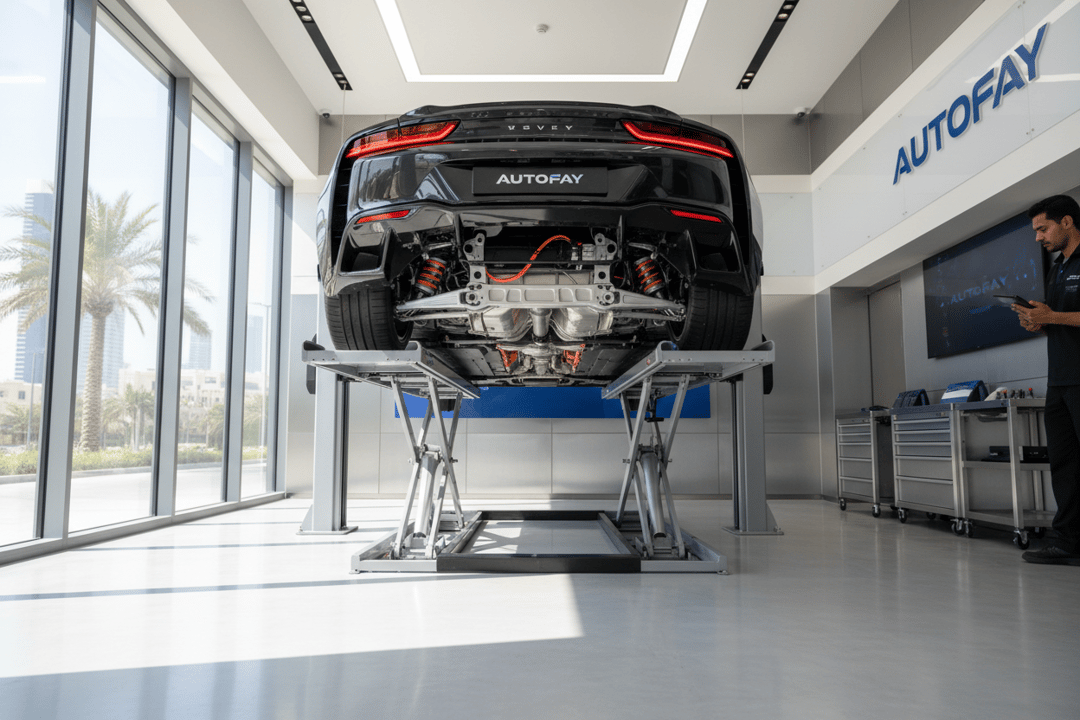
The 8-speed automatic transmission (specifically the ZF ample power series) is the most vulnerable system in the Durango. In older models or those with neglected service intervals, these transmissions are prone to slipping, delayed engagement, or harsh shifting. A visual inspection under the vehicle is required to check for fresh transmission fluid traces, which indicate a recent leak or repair. During the road test, the vehicle must shift gears smoothly without hesitation or jerking, particularly when the air conditioning compressor engages, which places a load on the drivetrain.
What Inspectors Check: Beyond the Engine
A competent inspection covers 410+ checkpoints across 25 distinct categories. A visual inspection of the body and paint involves a panel-by-panel analysis to detect accident repairs. Inspectors look for mismatched paint codes, uneven panel gaps, or the presence of "orange peel" texture, which suggests a poor respray. The frame and structure must be examined for rust, especially in the floor pans and rocker panels, where salt and humidity in coastal Emirates accelerate corrosion.
Core Inspection Categories
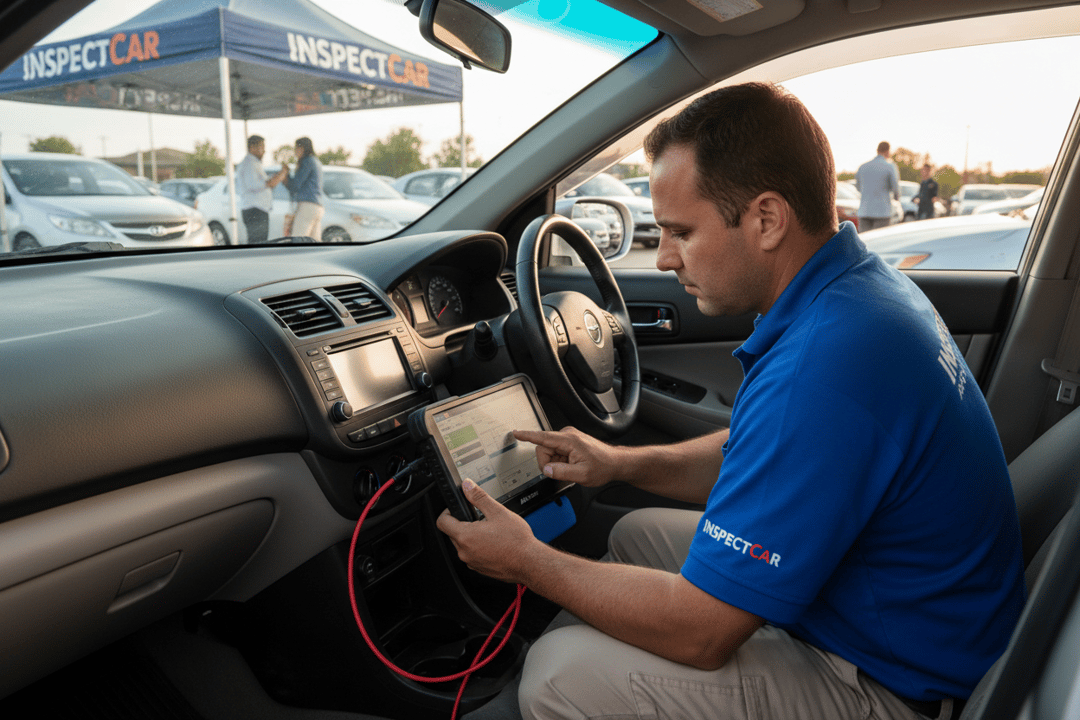
- OBD Diagnostic Scan: Connecting to the onboard computer reveals hidden error codes for the engine, transmission, ABS, and airbag systems that may not trigger a dashboard warning light.
- Brake System: Inspectors measure brake pad thickness using a caliper gauge. A pad percentage rating below 50% indicates immediate replacement is required.
- Suspension and Steering: The mechanics check for play in the tie rod ends, ball joints, and bushings. Unusual clunking noises over bumps suggest worn suspension components.
- Tires: Inspectors verify the manufacture date and tread depth. Worn tires or tires manufactured more than six years ago pose a significant safety hazard.
Red Flags Specific to the Dodge Durango
Several specific indicators should raise immediate concern during a pre-purchase inspection. One major red flag is the presence of a "Check Engine" light that turns off when the ignition is cycled but remains off while the car is running. This behavior often points to a "limp mode" reset, masking an underlying transmission or engine fault. Another concern is a burning smell during operation, which can indicate a slipping clutch or a leaking transmission fluid burning on the exhaust system. Additionally, if the vehicle has been in a flood or suffered major structural damage, the electrical wiring harnesses may be compromised, leading to intermittent electrical failures that are expensive and difficult to diagnose.
Why DIY Inspection is Insufficient
Visual inspections and test drives are surface-level assessments that fail to reveal the internal health of the vehicle. A experienced inspector utilizes specialized tools to read manufacturer-specific codes and assess the condition of components that are not visible to the naked eye. For example, checking the condition of the alternator and starter motor requires electrical testing equipment. Relying on a visual check alone can result in purchasing a vehicle that requires immediate, expensive mechanical intervention.
Choosing the Right Inspection Package
To effectively uncover these issues without overpaying, selecting the appropriate inspection tier is essential. Different vehicle conditions demand different levels of scrutiny. Below is a breakdown of the available packages offered by professional inspection services, which provide a structured approach to vehicle evaluation.
| Package Name | Price (AED) | Scope of Inspection |
|---|---|---|
| Computer Diagnostic | 99 | Engine and transmission code scanning using professional OBD tools. |
| Body & Computer | 250 | Paint analysis, accident damage assessment, and engine diagnostics. |
| Comprehensive | 399 | Full 25-category inspection including frame integrity, brakes, suspension, fluids, and road test. |
The Road Test Dynamics
The road test is the most critical phase of the inspection process. It validates the mechanical integrity revealed during the static checks. The inspector accelerates the vehicle from a stop to assess transmission response and verifies that there are no vibrations or noises emanating from the wheel bearings or differentials. Braking performance is tested at varying speeds to ensure ABS functionality and brake pad wear is even across all wheels. The suspension is evaluated on rough surfaces to identify clunks and rattles that occur when the vehicle articulates.
Purchasing a used Dodge Durango in the UAE requires an understanding of its mechanical idiosyncrasies and a commitment to thorough verification. By focusing on the transmission, cooling systems, and structural integrity, buyers can avoid the pitfalls of neglected maintenance. Professional inspection services provide the necessary expertise to navigate these complexities, ensuring that the vehicle selected aligns with its advertised condition.
AutoFay inspects 410+ checkpoints with HD photos and PDF report. Book at autofay.ae or call +971542584458


0 Comments
No comments yet. Be the first to share your thoughts!