

The Dodge Challenger is a quintessential American muscle car, offering robust V8 power and aggressive styling that stands out in the UAE market. However, purchasing a used performance vehicle requires a rigorous approach to avoid hidden mechanical liabilities. This guide outlines the critical areas inspectors scrutinize when evaluating a pre-owned Challenger, ensuring buyers understand the mechanical reality of the vehicle before purchase.
The V8 Heartbeat: Engine and Drivetrain Analysis
The 5.7L Hemi or 6.4L Super Stock engine is the heart of the vehicle. Inspectors check for oil leaks on the valve covers, the front main seal, and the cam phasers. A burnt smell during the road test often indicates transmission fluid contamination, suggesting internal wear.
- Oil Condition: Black, gritty oil suggests the previous owner neglected oil changes, leading to sludge buildup that can clog oil passages.
- Transmission Shifts: The 8-speed automatic transmission can develop syncro wear. Inspectors listen for harsh clunking or hesitation during acceleration, which indicates the transmission is nearing the end of its service life.
- Driveshaft and U-Joints: High mileage puts stress on the driveshaft. A clicking or clunking noise during turns or acceleration points to worn universal joints that require immediate replacement.
Suspension, Brakes, and Chassis Integrity
Performance suspension components endure significant stress. Inspectors check ball joints, tie rod ends, and control arms for play or rust. The rear subframe is a critical structural element; corrosion or damage here compromises the vehicle’s safety and handling characteristics.
Brake systems on Challengers are designed for high performance but generate intense heat. Inspectors measure brake pad thickness to estimate remaining life. Worn pads damage rotors, causing vibrations during braking. If the pads are worn to the metal backing, the rotors require resurfacing or replacement, which adds to the vehicle's operating costs.
Inspectors also examine the tires. Uneven wear patterns, such as feathering or cupping, often signal suspension alignment issues or improper shock absorber function. Mismatched tire manufacturing dates suggest uneven tire wear and potential safety hazards.
Electrical Systems and Diagnostics
Modern Challengers rely on complex electronics to manage the Multi-Displacement System (MDS), which deactivates cylinders to save fuel. Failure of this system reduces power output and increases fuel consumption. Inspectors verify if the engine cycles between 4 and 8 cylinders smoothly.
Using an On-Board Diagnostics (OBD) scan is essential to identify stored fault codes. These codes reveal issues with the Engine Control Module (ECM), transmission control, ABS sensors, and airbag modules. A failed airbag code renders the safety system inoperable, creating a significant liability for the buyer.
For a basic digital assessment, the Computer Diagnostic AED 99 service scans the vehicle's computer systems to identify active and pending trouble codes across essential modules.
Body, Paint, and Structural Assessment
Accident damage in the Challenger is often hidden within the body panels or unibody structure. Inspectors look for uneven panel gaps, which indicate previous repairs and poor alignment. The rear bumper and quarter panels are common accident zones.
Rust is a growing concern, particularly in coastal Emirates like Dubai and Sharjah. Inspectors use a magnet to check for body filler replacement, which indicates previous corrosion repair. Prioritizing a detailed body inspection prevents purchasing a vehicle with compromised structural rigidity.
For a comprehensive look at the vehicle's exterior condition, the Body & Computer AED 250 package covers panel-by-panel analysis to distinguish original paint from repairs, ensuring the car has not been involved in a collision.
Common Red Flags and What They Mean
When inspecting a Challenger, buyers must remain vigilant for specific red flags. One major warning sign is a history of water damage. Water exposure can destroy electrical components and cause rust to form behind panels, which is nearly impossible to detect without professional dismantling.
Another red flag is the Vehicle Identification Number (VIN) history. A "salvage" or "rebuild" title indicates the car was declared a total loss by an insurance company, often due to severe accident damage. While some Challengers are rebuilt safely, the structural integrity may remain compromised.
Inspectors also look for mismatched VIN plates. A mismatched VIN on the dashboard or firewall is a severe fraud indicator, suggesting the vehicle’s identity has been altered.
| Inspection Package | Service Details |
|---|---|
| Computer Diagnostic | Scans Engine, Transmission, ABS, and Airbag systems for error codes. |
| Body & Computer | Includes panel-by-panel paint/body check plus engine diagnostics. |
| Comprehensive | 410+ checkpoints across 25 categories, including HD photos and PDF report. |
The Role of Professional Inspection
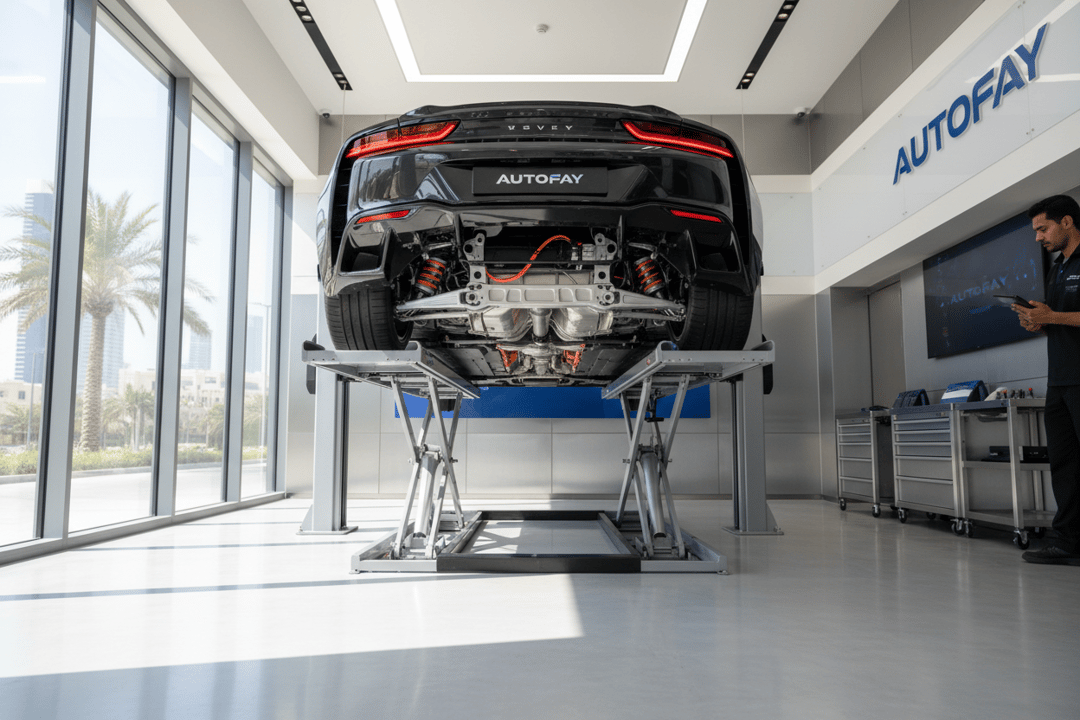
Attempting to inspect a performance vehicle like the Dodge Challenger without professional tools can lead to oversight. Specialized equipment is required to read manufacturer-specific codes and accurately assess brake pad wear percentage. On-location inspection services provide the convenience of bringing the expert to the buyer's location or the seller’s showroom.
A comprehensive inspection offers a transparent view of the vehicle's condition. It verifies that the vehicle has not been modified in a way that voids the warranty or affects safety. It also confirms that the odometer reading is accurate. Without a professional report, a buyer risks inheriting expensive repairs immediately after the transfer of ownership.
AutoFay inspects 410+ checkpoints with HD photos and PDF report. Book at autofay.ae or call +971542584458



0 Comments
No comments yet. Be the first to share your thoughts!