

The Chevrolet Malibu remains a staple in the mid-size sedan segment, frequently appearing in the UAE market due to its fuel efficiency and practicality. However, purchasing a used vehicle requires a critical eye, especially when assessing models that have aged past their warranty periods. A vehicle inspection goes beyond a casual glance; it is a forensic analysis of a machine’s history and condition. Understanding the specific vulnerabilities of the Chevrolet Malibu allows buyers to separate well-maintained units from potential liabilities. This guide details the critical areas an inspector scrutinizes and how the right professional evaluation protects your investment.
Engine and Transmission Anomalies
The powertrain is the heart of any vehicle, and the Malibu has its own set of mechanical idiosyncrasies that manifest with age. Inspectors must listen for specific sounds during ignition and observe behavior during acceleration. A high-pitched whine or grinding noise during gear shifts often indicates premature wear in the transmission bearings. This component failure typically results in a complete transmission rebuild, which is a significant financial burden.
- Oil Consumption: Some Malibu generations are susceptible to burning engine oil. Inspectors check the dipstick for low levels and examine the exhaust for blue smoke, which signifies burning oil rather than fuel.
- Timing Chain Tensioner: A failing timing chain tensioner can cause the chain to rattle. If left unaddressed, the chain may skip teeth, leading to catastrophic engine failure.
- PCV Valve: A clogged Positive Crankcase Ventilation valve can cause excessive oil pressure, leading to leaks around the valve cover gaskets and rear main seal.
Cooling System Vulnerabilities
The cooling system in older Malibu models is a frequent failure point, often leading to overheating. These vehicles commonly utilize plastic reservoirs and radiator tanks, which are prone to stress fractures from heat cycles and vibration. A compromised tank leads to coolant leaks, which not only cause the engine to overheat but also risk causing engine block damage due to the loss of coolant pressure. Inspectors look for dried coolant residue on the engine block or the ground beneath the vehicle.
Structural Integrity and Bodywork
Structural damage compromises the safety and longevity of the vehicle. In the UAE, road salt and harsh driving conditions accelerate corrosion. Inspectors must physically inspect the frame rails, door sills, and the floor pan to ensure the vehicle has not been exposed to major collisions. A bent frame alters the wheel alignment, causing uneven tire wear and poor handling characteristics.
The Panel-by-Panel Analysis
Visual inspection begins with checking for mismatched paint, which indicates previous bodywork. Inspectors look for spray pattern inconsistencies, raised paint edges (orange peel effect), and the presence of primer on visible body panels. It is critical to verify that the VIN plate on the dashboard matches the VIN on the registration documents and the chassis plate. Mismatched numbers are a strong indicator of stolen parts or fraud.
Frame and Pillar Assessment
Inspectors use a magnet to check for bondo or filler on the body panels. Steel attracts a magnet; fiberglass or body filler does not. Furthermore, the alignment of the hood, trunk, and doors must be even with consistent gaps. Uneven gaps suggest a misaligned bumper or a pulled frame due to a previous accident.
The Electrical and Software Matrix
Modern vehicles depend on a network of sensors and a central computer. The Chevrolet Malibu has experienced issues with infotainment systems and electronic power steering. A faulty steering angle sensor can trigger the traction control system constantly, causing the vehicle to slow down unexpectedly on dry pavement. Inspectors connect an OBD (On-Board Diagnostics) scanner to retrieve error codes stored in the computer. The presence of codes related to the ABS, airbags, or powertrain indicates component failure that requires immediate repair.
What an Inspector Actually Checks: The Checklist
A comprehensive inspection covers a vast array of systems to ensure the vehicle is roadworthy. Professionals use a standardized checklist to document the condition of every component. Below is a breakdown of the critical categories a detailed inspection covers.
| Category | Key Inspectors Focus | Potential Red Flag |
|---|---|---|
| Brakes | Pad thickness, disc wear, fluid level and color. | Vibrations during braking or metallic grinding noises. |
| Suspension | Shock absorbers, struts, bushings, and ball joints. | Catching on bumps or clunking over speed bumps. |
| Tires | Tread depth, manufacturing date, and sidewall cracking. | Tires older than six years, regardless of tread depth. |
| Fluids | Engine oil condition, transmission fluid smell, coolant clarity. | Dirty, burnt-smelling, or milky transmission fluid. |
| Frame/Body | Rust, bondo use, panel gaps, and paint consistency. | Uneven gaps or mismatched paint colors. |
Why Professional On-Location Inspection is Essential
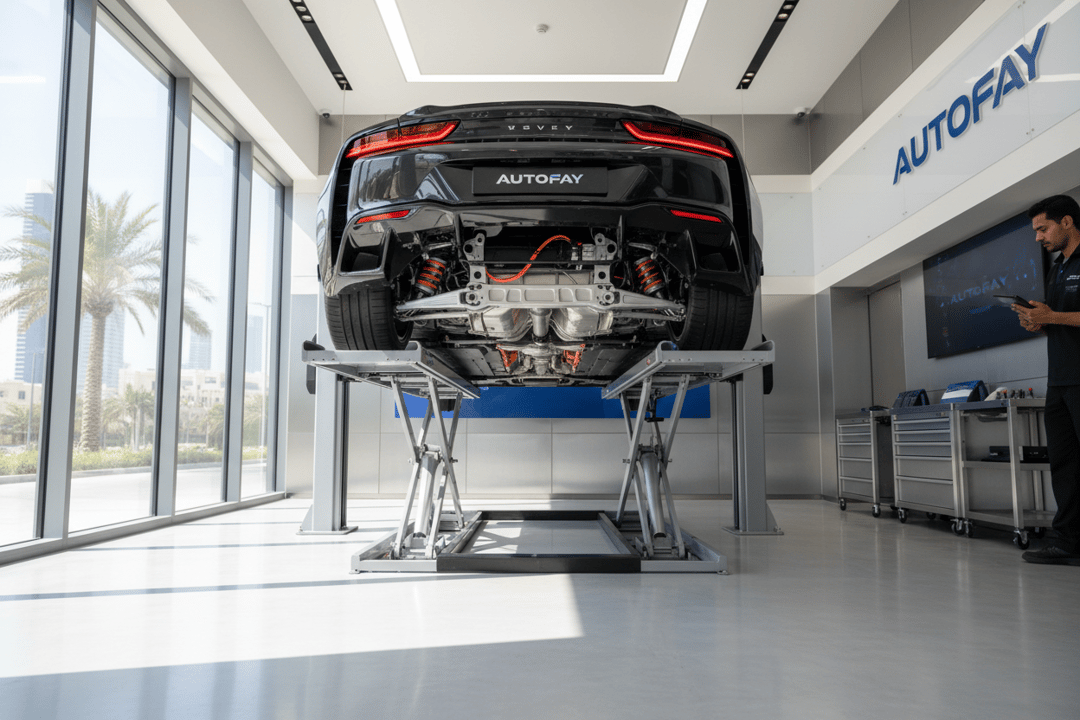
Attempting to inspect a vehicle without professional tools or knowledge often leads to oversight. A experienced inspector brings specialized equipment and the expertise to interpret complex symptoms. For instance, a dashboard warning light might indicate a simple sensor error or a critical engine failure; only a professional OBD scan can determine the severity. On-location inspection services are particularly valuable in the UAE, covering all seven Emirates and eliminating the logistical hassle of taking the vehicle to a workshop.
Investing in a professional evaluation is the only way to uncover hidden defects that are not visible during a casual test drive. A standard test drive cannot replicate the rigorous diagnostic procedures performed by a experienced inspector.
AutoFay inspects 410+ checkpoints with HD photos and PDF report. Book at autofay.ae or call +971542584458



0 Comments
No comments yet. Be the first to share your thoughts!