

The Cadillac XT5 occupies a unique niche in the UAE market as a premium large SUV that bridges the gap between luxury comfort and truck utility. However, as a mechanically complex machine with high-tolerance components, it requires a rigorous verification process before a purchase is finalized. A pre-purchase inspection moves beyond a visual walk-around, utilizing specialized diagnostic tools and a methodical checklist to uncover latent failures. The following guide details the critical areas an inspector examines on a used Cadillac XT5, specifically tailored to the environmental and mechanical realities of the region.
The Powertrain: Engine, Transmission, and Diagnostics
The heart of the XT5 is the 3.6L V6 engine, known for its ample power but specific maintenance requirements. Inspectors begin by listening for abnormal noises during a cold start, specifically looking for lifter ticking or rod knock, which indicates excessive wear. Smoke from the exhaust is a primary indicator of internal health; blue smoke suggests burning oil, while gray smoke points to coolant consumption.
One of the most critical diagnostic steps involves an On-Board Diagnostics (OBD) scan. This process reads fault codes from the engine, transmission, ABS, and airbag systems. A thorough scan can reveal transmission shift softness or torque converter issues that are not yet triggering the "Check Engine" light but may lead to costly repairs. Without this data, the buyer risks purchasing a vehicle with a history of electronic glitches or transmission malfunctions. A quick Computer Diagnostic service provides essential data for this phase of the evaluation.
Transmission and Drivetrain Health
The hydraulic transmission in the XT5 is sensitive to fluid condition and operating temperature. Inspectors check the transmission dipstick for the correct fluid level and smell for the presence of burnt odor, which signifies overheating and fluid breakdown. The inspection also includes checking the drive shafts and CV boots for tears or leaks, as these components are prone to damage from off-road use or aggressive cornering.
Structural Integrity: Body, Paint, and Frame
Because the XT5 is a heavy vehicle, collisions can occur with significant force, potentially compromising the unibody structure. Inspectors utilize a measuring tape to compare the distance between measuring points on the vehicle. A deviation in these measurements, even by millimeters, can indicate a bent frame or unibody that has been repaired. This is non-negotiable for safety and resale value.
Panel-by-panel inspection focuses on identifying repaints, which often mask collision damage. Inspectors look for color mismatch, orange peel texture on the paint surface, or a lack of factory molding lines where panels meet. They also check the alignment of door gaps. Uneven gaps suggest that a door or fender was removed and not re-installed to factory specifications. A Body & Computer package is highly recommended to cover both these critical structural and electronic aspects.
- Frame Rails and Pillars: Inspectors examine the undercarriage for rust, especially on the brake lines and frame rails, which can deteriorate over time due to heat and humidity.
- Paint Thickness: Using a gauge, inspectors measure the thickness of the paint on the hood and doors compared to the roof to ensure no panels have been replaced.
Suspension, Brakes, and Road Test
The suspension system bears the brunt of the XT5’s weight, leading to accelerated wear on bushings, shocks, and control arms. Inspectors perform a bounce test on each corner of the vehicle to assess shock absorber performance. They also look for leaking fluid at the strut mounts, which is a common failure point on this model. A failing suspension will result in poor handling, uneven tire wear, and a rough ride.
Brake system assessment involves checking the pad thickness percentage using a caliper gauge. Inspectors also measure rotor thickness to ensure they have not worn down to the minimum safe thickness. In the UAE's stop-and-go traffic, brake components degrade quickly. Finally, the road test evaluates acceleration, braking distance, steering response, and overall vehicle noise. Vibration in the steering wheel or floorboard during highway speeds often points to wheel balance issues or worn suspension components.
The Inspection Process: What You Get
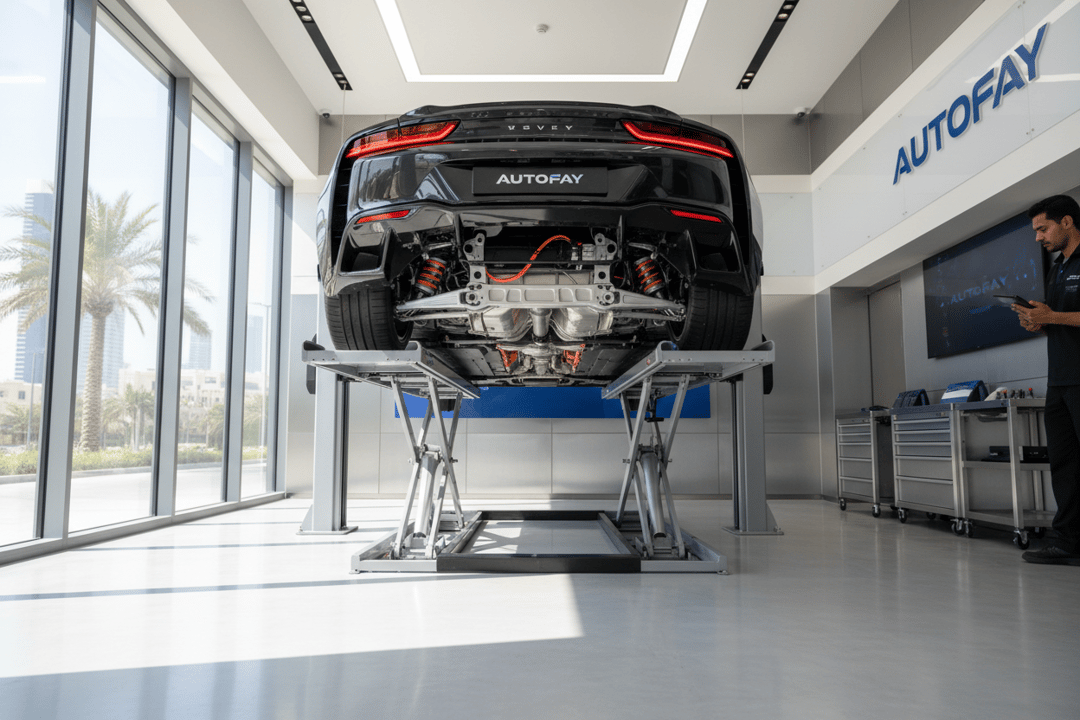
A professional inspection transcends a simple visual check; it is a systematic evaluation of the vehicle's condition. The process involves lifting the vehicle on a hydraulic lift to inspect the underbelly for damage or leaks that are invisible from the ground. Inspectors also check the manufacturing date of the tires, as tires older than six years may degrade internally, posing a safety hazard regardless of tread depth.
Fluids are meticulously assessed for color and consistency. Engine oil that is black and sludgy indicates infrequent oil changes, while coolant that is rusty suggests a leaking head gasket or corroded radiator. The electrical system is tested for voltage stability to ensure the battery and alternator are charging correctly. These checks ensure the vehicle is roadworthy and reliable for daily UAE commute.
Choosing the Right Inspection Package
Selecting the appropriate level of inspection depends on the vehicle's age and suspected condition. For newer vehicles or those with no known issues, a basic scan provides peace of mind. However, for older models or those with unknown histories, a comprehensive approach is necessary to identify potential pitfalls.
| Package | Services Included | Price |
|---|---|---|
| Computer Diagnostic | OBD scan for Engine, Transmission, ABS, and Airbag codes | AED 99 |
| Body & Computer | Panel-by-panel paint check + Computer Diagnostic service | AED 250 |
| Comprehensive | Full road test, suspension, tires, fluids, and 410+ checkpoints | AED 299 |
AutoFay inspects 410+ checkpoints with HD photos and PDF report. Book at autofay.ae or call +971542584458



0 Comments
No comments yet. Be the first to share your thoughts!