

The BMW X7 stands as a commanding presence in the luxury SUV segment, offering three rows of comfort and advanced performance technology. However, this flagship vehicle carries a complex architecture that demands rigorous scrutiny before acquiring it. As a certified vehicle inspector, I emphasize that the cost of a professional inspection is negligible compared to the potential expense of undetected structural or mechanical failures. In the UAE market, where vehicles often endure high mileage and harsh environmental conditions, understanding the specific vulnerabilities of the X7 is critical for a safe purchase. This guide outlines the essential areas inspectors examine and the red flags that specifically plague this model.
The Engineering Challenges of the X7 Platform
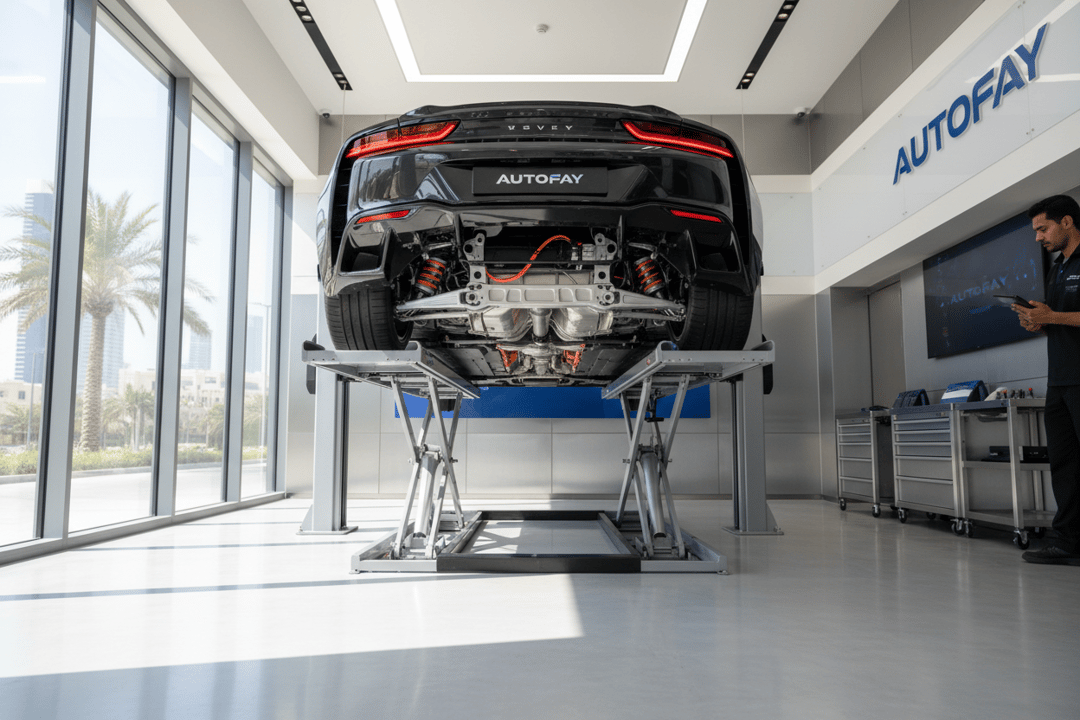
The X7 is built on a large unibody platform designed to support significant weight, including heavy optional equipment. This size introduces unique stress points on the suspension and chassis that are less prevalent in smaller vehicles. The adaptive suspension system, a staple on higher trims, relies on sophisticated sensors and hydraulic valves to adjust damping rates in real-time. When these systems fail, the ride quality degrades rapidly, turning a luxury cruiser into an uncomfortable ride. Additionally, the roof structure, while sturdy, is susceptible to corrosion if the factory sealant degrades over time, particularly in coastal climates. Inspectors must evaluate the integrity of the body welds and the condition of the undercarriage to ensure the chassis has not flexed or sustained impact damage.
Common Mechanical Weaknesses
Inspectors frequently identify specific mechanical issues that recur in the X7 lineup. The high-performance N63 or N74 twin-turbocharged V8 engines are prone to cooling system failures, specifically radiator and thermostat housing leaks. These components can crack due to thermal stress, leading to coolant loss and potential engine overheating. Furthermore, the oil temperature gauge serves as a critical diagnostic tool; a consistently high oil temperature indicates a failing oil cooler or a clogged coolant passage. Another common failure point involves the high-pressure fuel pump, which can develop internal leaks that trigger check engine lights. Ignoring these symptoms often leads to catastrophic engine failure, rendering the vehicle inoperable.
Comprehensive Inspection Protocols
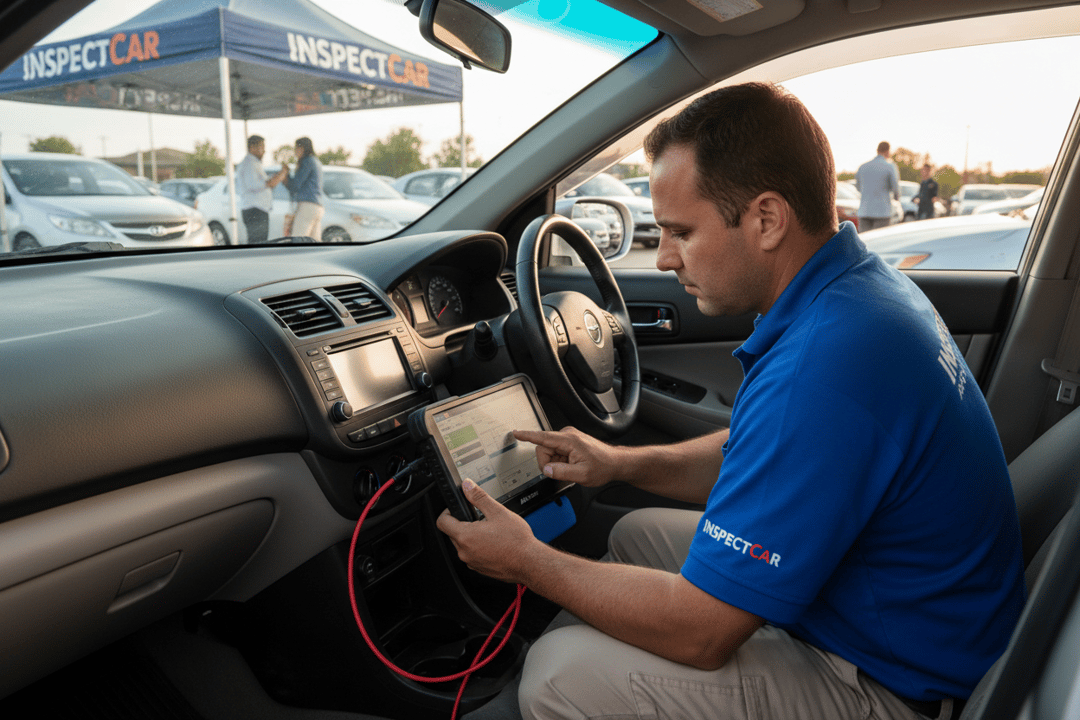
A professional inspection goes beyond a visual walk-around; it involves a systematic evaluation of 250+ critical checkpoints. The process begins with a Computer Diagnostic scan using an OBD tool to retrieve manufacturer-specific codes for the engine, transmission, ABS, and airbag systems. This reveals stored errors that may not be visible to the naked eye but indicate underlying component failure.
- Body and Paint Analysis: Inspectors examine panels panel-by-panel to determine if a vehicle has been repainted. This involves checking the paint thickness with a digital gauge to ensure it matches factory specifications. Discrepancies often indicate previous accident damage and the use of cheap body filler.
- Frame and Structural Integrity: The inspection includes a detailed look at the frame rails, pillars, and floor pans. Even minor collisions can compromise the structural safety of the vehicle, affecting alignment and handling.
- Engine and Drivetrain: Mechanics listen for abnormal sounds like rattling or ticking during a road test. They also inspect the engine mounts, which dampen vibration; worn mounts transmit excessive noise into the cabin.
- Fluids and Filters: The condition of the engine oil, transmission fluid, and coolant is assessed. Specks of metal in the oil or a milky substance in the transmission fluid point to severe internal wear.
- Tires and Brakes: Inspectors check the tire manufacturing date to ensure they are not aged rubber, which can cause blowouts. Brake pad thickness is rated as a percentage, and any pulsation in the pedal indicates warped rotors.
Key Inspection Categories
Inspection services like AutoFay categorize their checks to ensure nothing is overlooked. Below is a summary of the primary categories evaluated during a comprehensive inspection:
| Category | Inspection Focus | Failure Consequence |
|---|---|---|
| Suspension | Shock absorbers, control arms, bushings, steering linkage | Loss of handling, poor road grip, expensive component failure |
| Electronics | Sensors, wiring harnesses, infotainment, lighting | Malfunctioning safety features, high repair costs for wiring |
| Interior | Leather condition, electronics, air conditioning performance | Uncomfortable cabin environment, expensive component replacement |
| Exterior | Paint consistency, door alignment, glass condition | Aesthetic degradation, potential rust issues |
Specific Red Flags for the X7
When inspecting an X7, certain behaviors serve as immediate warning signs. A burning smell during operation often indicates a leaking oil seal or a failing transmission clutch. Water ingress in the trunk or footwells suggests a failed door seal or a leaking sunroof drain tube, which can lead to electrical short circuits in the floorboard. Dashboard warning lights that remain illuminated after the engine starts point to unresolved sensor errors. Additionally, if the vehicle hesitates during acceleration or shifts roughly, the transmission may be experiencing clutch pack wear or solenoid failure. A test drive will reveal these nuances, confirming whether the vehicle operates as the manufacturer intended.
Inspection Packages and Value
Purchasing a used vehicle requires financial prudence, and understanding the value of an inspection is paramount. Repairing undetected issues in a flagship BMW can be incredibly resource-intensive. For instance, replacing a cooling system component or addressing a transmission fault can lead to significant financial outlay. To mitigate this risk, professional on-location inspection services offer tiered packages.
- Computer Diagnostic (AED 99): A targeted scan of the car’s computer system to identify stored codes. This is essential for isolating electronic faults quickly.
- Body and Computer (AED 250): A comprehensive visual check of the exterior and interior combined with a full diagnostic scan. This covers paint quality, panel gaps, and electronic functionality.
- Comprehensive (AED 299): The most thorough option available, this includes a 410+ checkpoint inspection across 25 categories. It covers the road test, suspension dynamics, and a detailed mechanical assessment.
Opting for a comprehensive package provides a detailed report with HD photos and a PDF summary. This documentation serves as a legal record of the vehicle's condition at the time of sale, protecting the buyer from disputes later on.
AutoFay inspects 410+ checkpoints with HD photos and PDF report. Book at autofay.ae or call +971542584458


0 Comments
No comments yet. Be the first to share your thoughts!