


The BMW M5 has long stood as the benchmark for high-performance sedans, blending daily usability with the aggression of a race car. However, purchasing a pre-owned M5 in the UAE requires a rigorous vetting process due to the specific engineering challenges associated with high-output twin-turbo V8 engines, complex air suspension systems, and dense electronic architectures. A visual inspection is insufficient for this vehicle class. Professional inspection services utilize standardized methodologies to uncover hidden wear and potential failures that could result in catastrophic repair bills. Understanding the specific pain points of the M5 platform allows buyers to distinguish between a well-maintained enthusiast car and a problematic project vehicle.
The Powertrain: Engine and Transmission Diagnostics
The heart of the M5 is the twin-turbocharged V8 engine, which generates immense horsepower but operates under severe thermal and mechanical stress. Common issues in this platform often stem from oil consumption, turbocharger wear, and valve cover gasket failures. During a thorough inspection, inspectors must verify the engine oil level immediately after the vehicle has been running to detect low levels indicative of burning oil. Smoke from the exhaust during startup reveals whether carbon buildup is severe or if seals are failing. The transmission, typically an automatic ZF unit, is robust but sensitive to fluid contamination. Slipping gears or delayed shifts suggest the transmission fluid has degraded or the internal clutches are wearing out.
Modern BMWs rely heavily on the On-Board Diagnostics (OBD) system to manage engine timing, fuel injection, and emissions. A standard visual check cannot read the internal error logs stored in the control modules. Inspectors must interface with the vehicle’s computer to retrieve codes related to the Mass Air Flow (MAF) sensor, variable valve timing (VANOS), and catalytic converter efficiency. Ignoring these codes can lead to reduced performance and potential catalytic converter destruction, which is a costly repair. To ensure the vehicle communicates correctly and stores data accurately, a computer diagnostic scan is essential before any further road testing.
- OBD Scan Requirements: Checking for codes related to misfires, cylinder misfires, and coolant temperature sensors.
- Engine Sound Test: Listening for ticking noises that indicate valve train issues or lifter failures common in high-mileage M5s.
- Turbocharger Check: Inspecting for oil leaks at the turbocharger seals, which can lead to catastrophic engine failure if left unaddressed.
Air Suspension and Chassis Integrity
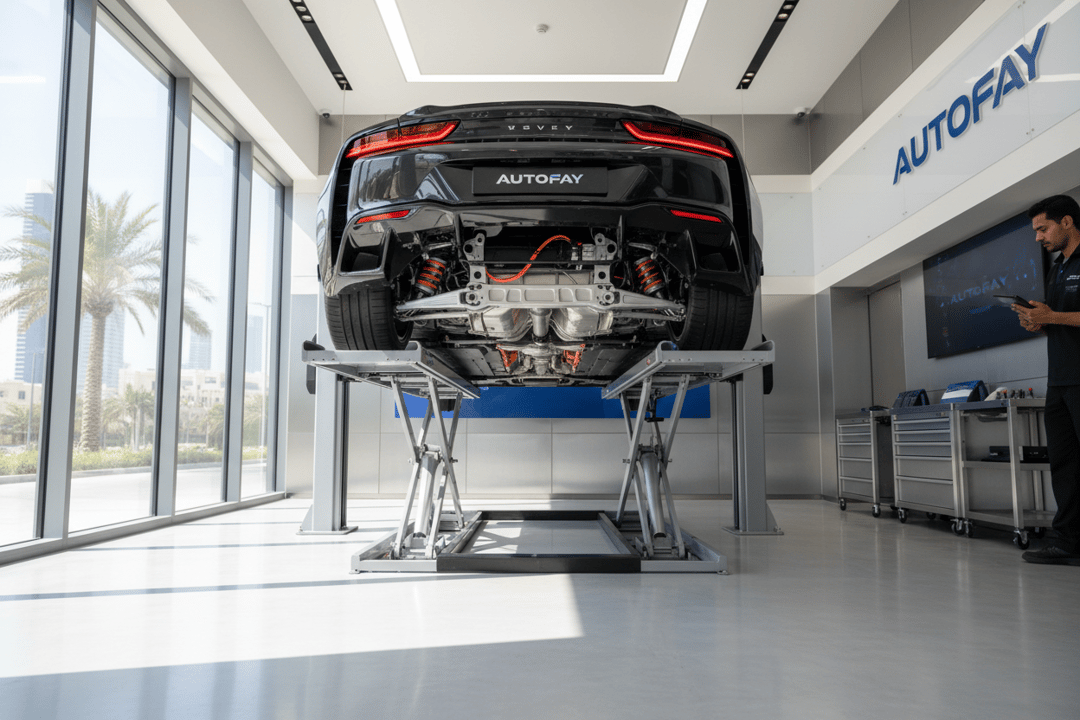
The M5 utilizes an advanced air suspension system to manage the weight of the vehicle and provide a comfortable ride. This system is composed of air struts, compressors, and airlines that connect to the suspension modules. Unlike traditional steel springs, air springs are prone to punctures and degradation over time due to UV exposure and heat. If one air spring fails, the vehicle will sit unevenly, causing premature tire wear and putting stress on the chassis components. Inspectors must listen for the compressor's operation and visually inspect the bellows for cracks or splits in the rubber.
Chassis wear is another critical factor for a high-performance sports sedan that has seen track use or aggressive street driving. Control arms, bushings, and tie rods degrade faster in performance vehicles due to the higher forces exerted on them. An inspector will look for play in the steering wheel when the vehicle is stationary and check for vibration in the steering wheel or seat during driving. Worn suspension components compromise the vehicle’s handling capability and can lead to uneven tire wear, reducing the lifespan of the expensive performance tires required for this model.
Electrical Systems and Electronics
The complexity of the BMW electrical architecture means that the M5 is laden with sensors and control modules that manage everything from the heated seats to the high-performance brakes. The Vehicle Stability Control (DSC) module is particularly known to fail in high-mileage BMWs, often resulting in the ABS and parking brake lights staying illuminated. This system is critical for the M5’s handling characteristics, as it manages the stability control and brake balance. A faulty DSC module renders the car unsafe to drive in adverse conditions and requires specialized recalibration.
Dashboard warning lights can sometimes be transient, triggered by a loose gas cap or a temporary sensor glitch, but they often indicate deeper wiring issues. Inspectors must check the condition of the battery and alternator output, as a weak electrical system can cause erratic behavior in the central computer (iDrive). Corroded battery terminals or failing alternators can lead to the vehicle stalling while driving or failing to start, creating a dangerous situation for the driver. Electrical wiring under the dashboard and behind the trim panels should be checked for chafing or rodent damage, which is common in older vehicles.
Bodywork and Frame Analysis
While exterior aesthetics are subjective, the structural integrity of the M5 is paramount for safety and performance. The vehicle's unibody frame absorbs impact energy during collisions. Even a minor bumper repair can indicate a previous accident that may have compromised the frame rails or pillars. Inspectors use paint thickness gauges to measure the layers of paint on the panels. A significant increase in thickness on a specific panel suggests the car has been repainted, which is a red flag that the panel may have been damaged and repaired.
Checking the frame requires a detailed examination of the structural rails, B-pillars, and floor pans. Collision damage can twist the chassis, leading to alignment issues, door misalignment, or steering pull. For a performance vehicle, chassis alignment affects the accuracy of the handling and braking. Inspectors will look for signs of welding on the structural members, which indicates repairs were performed on the frame rather than just replacing body panels. This level of scrutiny ensures the car has not been in a major accident that could affect its structural safety.
Fluids, Tires, and Brakes
Fluids age faster in high-performance engines that operate at higher temperatures. Engine oil should be analyzed for metal shavings, which indicate internal wear in the pistons or bearings. Coolant should be checked for oil contamination, a sign of a leaking head gasket, which is a common and expensive failure point in the BMW M5 platform. Brake fluid absorbs moisture over time, reducing its boiling point and compromising braking performance during hard braking maneuvers.
The tires on an M5 must be high-performance summer or all-season tires, but their manufacturing date is critical. Tires older than six years may be prone to dry rot and cracking, even with low mileage. Inspectors check the manufacturing date stamped on the sidewall to ensure they are safe for the road. The brake pads and rotors should be measured to determine their remaining life. Hard braking generates immense heat, causing the brake discs to warp over time. Warped rotors result in a pulsing sensation in the brake pedal, requiring replacement to restore smooth braking performance.
Choosing the Right Inspection Service in the UAE
Given the complexity of the BMW M5, choosing a experienced inspector is as important as choosing the car itself. An amateur inspector may miss subtle engine codes or the nuances of air suspension failure. A professional service offers a on-location solution, bringing the inspection equipment directly to the buyer’s location in any of the seven Emirates. This service includes a comprehensive checklist that covers all the mechanical and structural aspects discussed above.
Buyers should consider the depth of the inspection package based on their budget and the vehicle's asking price. A basic visual check may identify obvious exterior damage, but it cannot diagnose engine faults or electronic glitches. To avoid the risk of purchasing a vehicle with hidden defects, a detailed evaluation is necessary. Professional services provide a digital report with high-definition photos and detailed findings, ensuring transparency in the transaction.
| Inspection Package | Service Inclusions | Price (AED) |
|---|---|---|
| Computer Diagnostic | OBD scan for engine, transmission, ABS, and airbag codes. Checks for stored fault history and sensor performance. | 99 |
| Body & Computer | Panel-by-panel paint thickness analysis, scratch and dent assessment, and mechanical OBD diagnostics. | 250 |
| Comprehensive | Full 410+ checkpoint inspection including engine sound tests, suspension functionality, fluid levels, frame integrity, and road test. | 399 |
Investing in a professional inspection prevents the financial burden of unexpected repairs. The cost of a comprehensive inspection is minimal compared to the cost of fixing a neglected M5. Professional inspectors provide an objective opinion based on technical data rather than assumptions. This diligence ensures that the vehicle's history aligns with the seller's description and that the car is roadworthy.
AutoFay inspects 410+ checkpoints with HD photos and PDF report. Book at autofay.ae or call +971542584458




0 Comments
No comments yet. Be the first to share your thoughts!