


The BMW M3 stands as an icon of performance engineering, blending daily drivability with track-level capability. For enthusiasts in the UAE, acquiring a used M3 offers a thrilling driving experience, but the desert climate and high-velocity roads introduce specific stressors on these high-performance machines. A pre-purchase inspection is not merely a recommendation; it is a critical step to avoid purchasing a vehicle prone to significant failure. Understanding the unique vulnerabilities of the M3 and knowing exactly what to look for ensures that the investment translates into long-term ownership rather than endless repair bills.
The UAE Climate and Driving Dynamics
The intense heat experienced across the seven Emirates places immense strain on the cooling systems and rubber components of a BMW M3. Prolonged exposure to temperatures exceeding 40 degrees Celsius accelerates the degradation of tires, suspension bushings, and rubber hoses. Furthermore, the prevalence of high-speed freeways and spirited driving in the region means the transmission and clutch packs endure significant thermal stress. An inspection must account for these environmental factors, assessing wear patterns that might be exaggerated compared to temperate climates.
Vehicle history is often obscured in the local market, making a physical inspection the only reliable method to verify the car's true condition. A experienced inspector looks for signs of hard usage, such as excessive tire wear on the inner shoulders or worn brake rotors that indicate frequent heavy braking.
Core Inspection Categories
A comprehensive evaluation of a used M3 requires a systematic approach, covering everything from cosmetic panels to internal combustion mechanics. Professional services categorize these checks to ensure no component is overlooked during the assessment.
- Body and Paint: Inspectors perform a panel-by-panel evaluation to identify original factory paint versus repairs. Discrepancies in color matching or clear coat thickness often indicate past accidents that were poorly repaired.
- Frame and Structure: The structural integrity of the chassis is vital for handling and safety. Inspectors examine the frame rails, B-pillars, and floor pans for rust or collision damage that could compromise the vehicle's safety cage.
- Engine and Drivetrain: The heart of the M3 must be examined for leaks, unusual vibrations, and compression levels. The condition of the motor mounts is also crucial, as worn mounts transfer excessive vibration into the cabin.
- Electronics and Diagnostics: Modern BMWs rely heavily on complex computer modules. An On-Board Diagnostics (OBD) scan reveals hidden errors in the engine, transmission, ABS, and airbag systems that are not immediately visible to the naked eye.
- Fluids and Maintenance: Engine oil, transmission fluid, coolant, and brake fluid levels must be checked for excessive contamination or acidity, which indicates the engine has been neglected.
Engine and Transmission Red Flags
The BMW M3 models equipped with the N54 and N55 inline-6 engines are renowned for their power delivery but contain specific components prone to failure under high-stress conditions. One of the most common issues is the failure of the high-pressure fuel pump (HPFP). If this component fails, the engine will stall immediately, often leaving the driver stranded. Inspectors must listen for a distinctive whining noise from the fuel tank area, which is a classic symptom of a failing pump.
Nissan Vanos systems, responsible for variable valve timing, often develop leaks or oil sludge in high-mileage units. When Vanos fails, the engine runs rough, lacks power, and may emit blue smoke from the exhaust. Additionally, the cooling system is a weak point; the water pump impellers often disintegrate, leading to catastrophic overheating and potential engine block failure if not addressed early.
Regarding the transmission, the older SMG automated manual systems are notorious for mechanical wear, leading to jerky shifts or refusal to engage gears. Even the modern dual-clutch (DCT) transmissions require specific maintenance intervals. If the transmission fluid has never been changed, the clutch packs may be glazed, resulting in hesitation or shuddering during acceleration.
Structural Integrity and Bodywork
High-performance vehicles are frequently involved in spirited driving incidents, making structural damage a significant concern. Inspectors meticulously check the sub-frame mounts and the front bumper reinforcement bars for cracks or separation. These components are designed to absorb impact energy; if they are compromised, future collisions will transfer force directly to the passenger cabin.
Furthermore, the alignment of the vehicle must be verified. If the frame has been bent in a collision, the suspension geometry will be permanently altered, causing the car to pull to one side and wear tires unevenly. Checking the door gaps and the alignment of the hood to the fenders provides immediate visual evidence of whether the body has been straightened.
AutoFay Inspection Packages
To navigate the complexities of buying a used BMW M3 in the UAE, professional inspection services provide structured packages tailored to the buyer's needs. These packages offer varying levels of detail to suit different budgets and risk tolerances.
| Package | Price (AED) | Inclusions |
|---|---|---|
| Computer Diagnostic | 99 | OBD scanning to identify engine, transmission, ABS, and airbag warning codes. |
| Body & Computer | 250 | Combines a full OBD scan with a visual inspection of body panels, frame rails, and major repairs. |
| Comprehensive | 399 | The most detailed option, covering 410+ checkpoints including road testing, suspension, tires, and fluids. |
Suspension, Brakes, and Tires
The M3 utilizes a sophisticated suspension setup, typically consisting of multi-link components and high-performance dampers. Over time, the control arm bushings and tie rod ends degrade, especially in the harsh UAE environment. Inspectors check for play in the steering rack and assess the condition of the sway bar links, which can clunk over bumps if worn.
Brake performance is paramount in this class of vehicle. Inspectors rate brake pad thickness using a percentage system; pads below 50% require immediate replacement to ensure stopping power. Rotors must be checked for scoring or warping, which causes vibrations in the brake pedal during application. Tires are another critical metric; inspectors verify the manufacturing date to ensure they are not older than five years, as aged tires lose elasticity and become dangerous on hot roads.
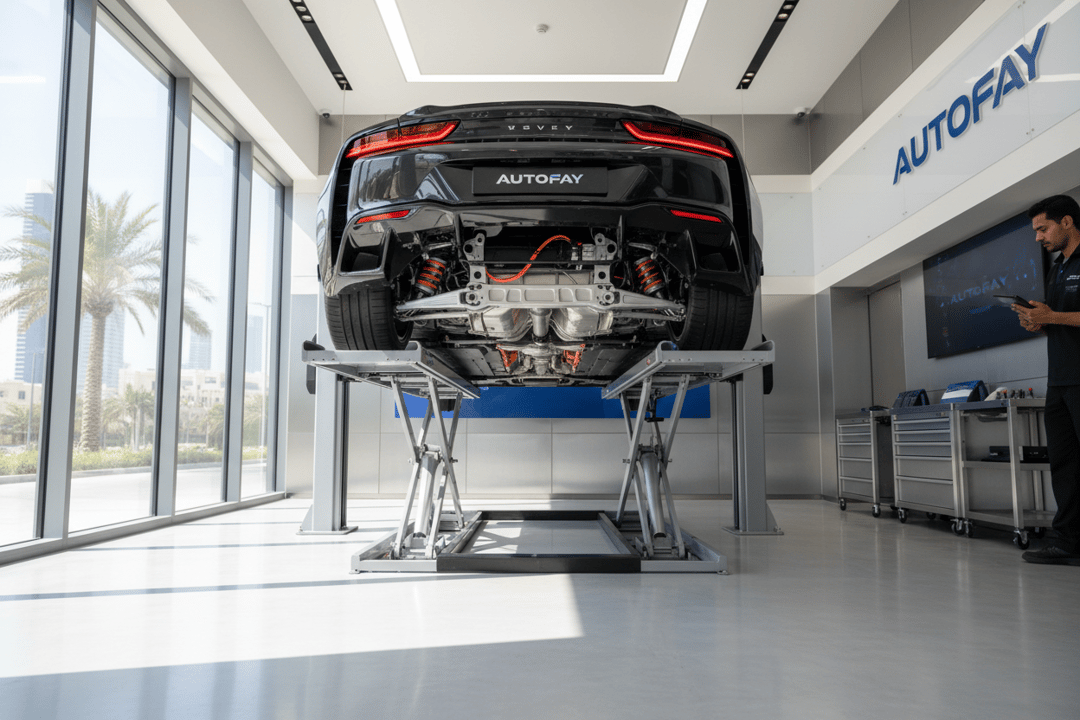
AutoFay inspects 410+ checkpoints with HD photos and PDF report. Book at autofay.ae or call +971542584458




0 Comments
No comments yet. Be the first to share your thoughts!