


The Audi Q8 represents a significant investment, blending a coupe-like silhouette with SUV practicality. Its sophisticated engineering, however, introduces specific maintenance and reliability challenges that differ from standard sedans. Purchasing a used Q8 without a professional assessment magnifies the risk of inheriting costly hidden faults. The vehicle’s complex electronic architecture and heavy components demand rigorous scrutiny before any transaction is finalized. A pre-purchase inspection serves as the necessary barrier against acquiring a vehicle with latent defects.
The Engine: Combustion Dynamics and Oil Consumption
The powertrains found in the Audi Q8 typically feature high-output turbocharged V6 or V8 engines. These units are designed for high performance but often suffer from direct injection carbon buildup over time. Inspectors check the engine bay for signs of external coolant or oil leaks, specifically around the thermostat housing and valve cover gaskets. A leaking thermostat housing can lead to engine overheating, which causes catastrophic head gasket failure.
Inspectors listen for unusual noises while the engine runs, scanning for lifter tick or bottom-end knock. These sounds indicate internal wear that will result in expensive rebuilds. The condition of the engine mounts is also critical; worn mounts cause excessive vibration transmitted to the steering wheel and cabin. Heavy vibration accelerates the wear of interior components and makes the driving experience uncomfortable. During the inspection, the technician verifies that the oil levels are consistent and checks the dipstick for the presence of moisture or coolant contamination.
Electronics and the Onboard Diagnostics
The Q8 relies heavily on a network of sensors and control modules to manage everything from suspension height to infotainment. Electronic failures are more prevalent than mechanical breakdowns in modern luxury SUVs. An inspector connects a diagnostic scanner to the OBD port to retrieve error codes stored in the Engine, Transmission, ABS, and Airbag modules. Clearing these codes without understanding the root cause is a temporary fix that often leads to immediate recurrence.
Common electronic malfunctions include issues with the driver assist sensors, parking brake actuators, or the MMI infotainment system freezing. A malfunctioning parking brake can prevent the vehicle from being driven safely or legally. Furthermore, a failing airbag sensor can deploy unexpectedly or fail to deploy during an impact, compromising occupant safety. The inspection confirms that all warning lights are extinguished and that the electronic systems respond correctly to inputs.
Structural Integrity and Bodywork
As a heavy SUV, the Audi Q8 is prone to frame stress if it has been involved in collisions. Inspectors examine the sill plates, chassis rails, and the C-pillars for signs of welding or repainting. The gaps between body panels should be uniform; excessive misalignment indicates a history of collision damage that may have compromised structural rigidity. Even though the vehicle may look straight from the outside, internal frame damage can drastically reduce its safety rating.
Paint thickness measurements are taken across the vehicle to identify areas where bodywork has been concealed. Repainted panels often hide rust that has formed underneath the new coating. Rust is a silent killer of vehicle value, often growing rapidly in the humid coastal climates of the UAE. Inspectors also check for fluid residue on the brake calipers and wheels, which can indicate a leaking brake hose or ABS sensor.
Suspension, Brakes, and Tires
The air suspension system is a signature feature of the Q8, providing a smooth ride but requiring significant maintenance over time. Inspectors listen for the compressor humming when the vehicle is turned on or when the ride height changes. A failing air suspension compressor can lead to the vehicle sagging to one side, rendering it unsafe and difficult to drive. Replacing the entire air suspension system involves replacing multiple struts and compressors, representing a significant financial outlay.
Brake performance is critical given the vehicle's weight. Inspectors measure the remaining thickness of brake pads and the condition of the rotors. Worn rotors can cause a pulsating sensation in the brake pedal and reduce stopping power. The manufacturing year of the tires is verified, as tires older than six years can degrade internally, leading to blowouts. Tires with uneven tread wear patterns often indicate misalignment or suspension issues that must be addressed immediately.
AutoFay Inspection Packages: Tailored for the Q8
Determining the scope of the inspection depends on the vehicle's condition and the buyer's risk tolerance. Selecting the appropriate service level ensures that no critical component is overlooked during the evaluation process.
| Inspection Package | Price | Service Inclusions |
|---|---|---|
| Computer Diagnostic | AED 99 | Engine, transmission, ABS, and airbag code scanning. |
| Body & Computer | AED 250 | Panel-by-panel paint check, frame integrity, and OBD scan. |
| Comprehensive | AED 299 | Full 410+ checkpoint inspection: engine, brakes, tires, fluids, suspension, and road test. |
Red Flags Specific to the Q8
Several specific red flags signal that a Q8 requires immediate avoidance. First, persistent blue smoke from the exhaust indicates burning oil, which points to worn piston rings or valve stem seals. Second, a check engine light that persists after clearing suggests a recurring fault code that has not been properly repaired. Third, an air suspension system that makes loud banging noises when raising or lowering the vehicle points to failed air struts.
Another significant red flag is the presence of coolant in the engine oil reservoir, a symptom of a blown cylinder head gasket or a cracked cylinder head. This condition causes the engine to overheat rapidly and can seize the engine block completely. Buyers must verify the vehicle's service history to ensure routine maintenance, such as timing belt replacements, was performed at the manufacturer's recommended intervals.
Preparing for the Inspection
Preparation maximizes the value of the inspection process. The vehicle should be parked in a well-lit area to allow for a thorough visual examination of all surfaces. The keys must be available to start the engine and test the electrical systems. The buyer should be present to ask specific questions regarding the vehicle's history and any unusual noises the seller may describe.
The inspector conducts a comprehensive road test to evaluate acceleration, braking, and noise levels during actual driving conditions. This dynamic assessment reveals issues that are not visible during a static inspection, such as transmission hesitation or suspension clunking over bumps. A thorough inspection provides a factual report of the vehicle's condition rather than an opinion, allowing for a confident purchase decision.
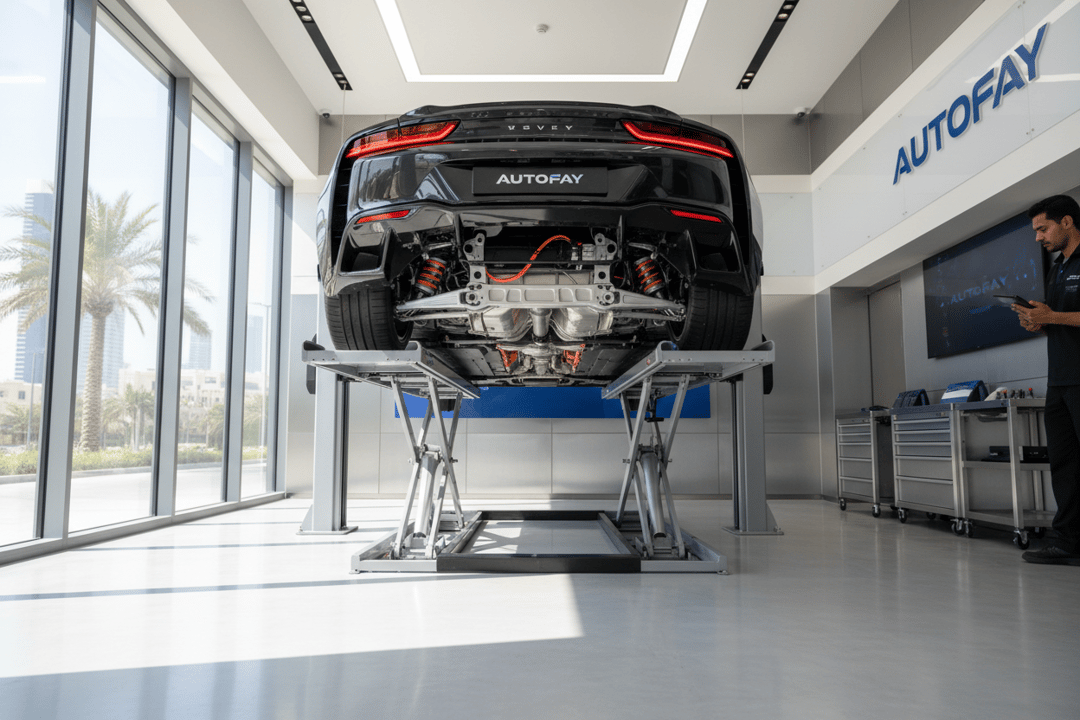
AutoFay inspects 410+ checkpoints with HD photos and PDF report. Book at autofay.ae or call +971542584458




0 Comments
No comments yet. Be the first to share your thoughts!