

The Audi Q7 commands a significant presence on UAE roadways, representing the pinnacle of luxury, space, and performance in the full-size SUV segment. However, acquiring a pre-owned model requires a critical understanding of its complex engineering. German vehicles are renowned for their advanced engineering, but this sophistication introduces vulnerabilities that often go undetected during a casual walk-around. A visual inspection is rarely sufficient to uncover the hidden wear and tear typical of high-mileage Q7s in the Emirati market. To ensure the vehicle maintains its value and safety, a rigorous pre-purchase inspection is essential. This guide outlines the critical areas that inspectors examine and the specific red flags associated with the Audi Q7.
The Complexity of German Engineering
The Audi Q7 operates on a chassis that integrates advanced electronic control units with heavy mechanical components. This integration means that a failure in one system can often trigger cascading errors across the vehicle’s network. In the UAE climate, high temperatures accelerate the degradation of rubber components and fluid breakdown. Consequently, a used vehicle may look pristine on the exterior but conceal significant internal wear. Inspectors must evaluate not just static conditions, but how the vehicle behaves dynamically under load. A thorough assessment separates a well-maintained executive cruiser from a money pit requiring immediate capital injection.
Common Mechanical and Electrical Failures
When evaluating a used Q7, specific issues recur frequently across various mileage ranges. Understanding these common problem areas allows buyers to question the seller more effectively. The most prevalent issue is oil leakage. The Q7 frequently develops leaks from the valve cover gaskets and the oil filter housing. These leaks are often minor, but they can lead to low oil levels, which compromises the turbocharger's lubrication and cooling. A turbocharger failure in this model can lead to catastrophic engine seizure, necessitating a complete engine replacement rather than a simple repair.
Electrical gremlins are another signature trait. The MMI infotainment systems and electronic parking brakes can fail due to cold weather sensitivity or general component fatigue. Additionally, the braking system utilizes electronic sensors that monitor brake wear and fluid levels. A malfunction in these sensors can trigger false warning lights and disable safety features, such as hill-hold assist or the auto-brake function.
What Inspectors Actually Check: The Detailed Breakdown
A professional inspection utilizes a standardized checklist to ensure no component is overlooked. Below is a breakdown of the key categories an inspector evaluates, ranging from body integrity to mechanical performance. This structured approach ensures that every aspect of the vehicle's history is verified against its current physical state.
| Inspection Category | Key Checkpoints | Potential Issue |
|---|---|---|
| Body & Paint | Panel-by-panel verification; original paint vs. repair; gap consistency between doors and hood. | Improperly repaired accident damage; mismatched paint indicating past collision repairs. |
| Frame & Structure | Rail alignment; pillar integrity; floor pan condition for rust or accident intrusion. | Frame damage from a major collision; compromised structural safety. |
| Engine & Mounts | Oil leaks; turbo operation; engine mount condition; exhaust sound analysis. | Worn engine mounts causing vibration; oil starvation; blown turbocharger. |
| Brakes & Tires | Pad thickness; rotor condition; tire tread depth; manufacturing date. | Uneven wear indicating alignment issues; worn tires with low tread depth. |
| Suspension | Shock absorber condition; ball joints; control arm health; noise over bumps. | Coupled suspension failure; clunking noises during cornering. |
The Importance of OBD Diagnostics
Visual inspections cannot reveal the internal health of the ECU (Electronic Control Unit). A vehicle may run smoothly but be harboring dormant fault codes or pending issues that will trigger a check engine light shortly after purchase. A comprehensive inspection must include an On-Board Diagnostics (OBD) scan to read the vehicle's computer. This process checks the engine, transmission, ABS, and airbag systems for stored error codes. AutoFay includes this critical step in their service packages. The Computer Diagnostic service at AED 99 provides a snapshot of the vehicle's electronic health, identifying potential sensors or module failures before they become operational problems.
Suspension, Brakes, and Tires
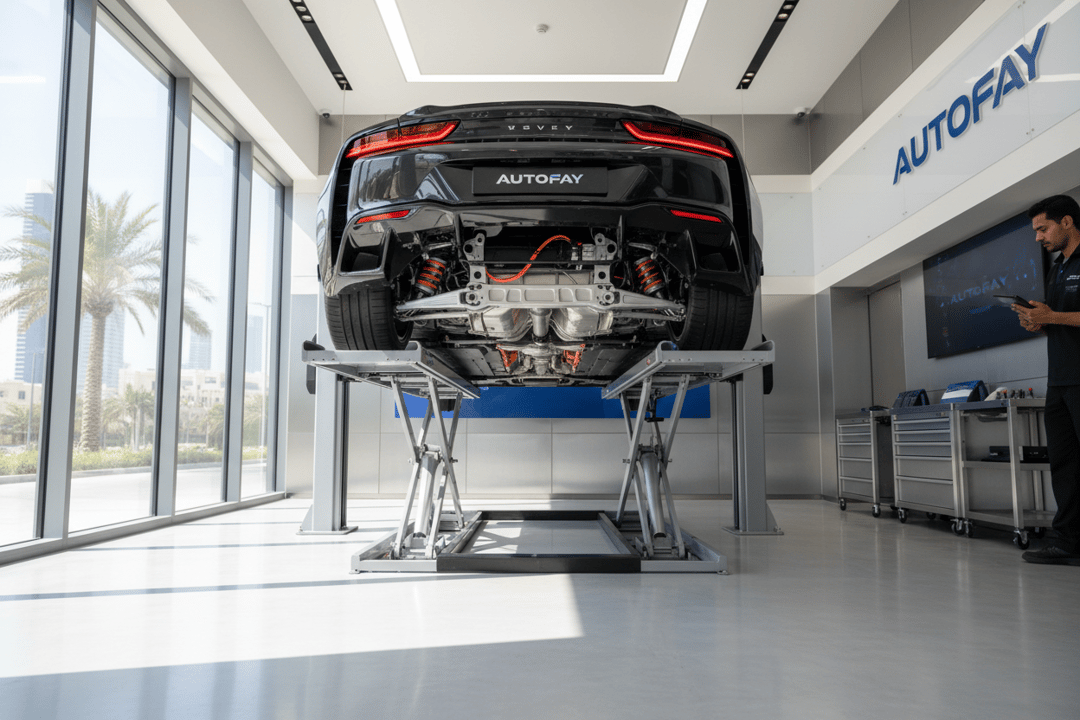
Suspension components in the Q7, such as the air suspension struts (on models equipped with air ride), are subject to high stress in the UAE terrain. Inspectors check for oil seepage from the struts, which indicates imminent failure. If the vehicle uses air suspension, a compressor failure can result in a vehicle sitting too low, causing further damage to the undercarriage. Additionally, the braking system includes ceramic or composite pads that wear slowly but can be expensive to replace. Inspectors calculate the remaining life of the brake pads based on thickness and wear patterns. Uneven wear on the tires suggests alignment or suspension issues that must be addressed to prevent premature tire replacement and uneven tire wear.
Red Flags Indicating Structural Damage or Past Accidents
Identifying past accidents requires a keen eye for detail. Inspectors look for "read-through" on panel gaps, which suggests that a panel was removed and reattached without strict factory alignment tolerances. The condition of the VIN plates and door jamb stickers is also critical; discrepancies here often indicate the vehicle was stolen and reconstructed or had its odometer rolled back. Furthermore, the presence of "blue smoke" during acceleration indicates burning oil, often a sign of valve stem seal failure or piston ring issues. Smoke that is thick and white during startup usually points to a blown head gasket, a repair that is labor-intensive and costly due to the engine's placement in the Q7.
Fluids and Undercarriage Health
The condition of the fluids provides a history of how the vehicle was maintained. Transmission fluid degrades over time due to the heat generated in stop-and-go city traffic common in the UAE. Dark, burnt-smelling transmission fluid suggests the vehicle has been driven aggressively without proper cooling or fluid changes. Coolant should be clear or slightly colored; rusty coolant indicates internal corrosion in the engine block or radiator. Inspectors also check the brake fluid for moisture content, as water in the brake lines reduces braking efficiency and can cause the ABS module to fail.
Engaging in a professional pre-purchase inspection mitigates the risk of purchasing a vehicle with latent defects. AutoFay offers a on-location inspection service across all 7 Emirates, bringing the garage to the seller’s location. Their services range from a quick Body & Computer check at AED 250 to a detailed Comprehensive inspection at AED 299. These packages cover over 410+ checkpoints across 25 distinct categories, providing buyers with a detailed report and HD photos of any defects found. Do not rely on verbal assurances from a seller; verify the vehicle's condition with expert eyes.
AutoFay inspects 410+ checkpoints with HD photos and PDF report. Book at autofay.ae or call +971542584458



0 Comments
No comments yet. Be the first to share your thoughts!