

The Audi Q5 has established itself as a dominant segment leader in the UAE’s luxury SUV market, balancing practicality with the prestige of the four-ring badge. However, German engineering relies on complex electronic interfaces and precision mechanical tolerances that can deteriorate under the intense regional climate. Purchasing a pre-owned Q5 requires a systematic approach to uncover hidden defects that a casual test drive cannot reveal. An investment in professional inspection is the only method to verify the vehicle's true condition before transferring ownership. This guide outlines the critical checkpoints an inspector evaluates and the specific pitfalls to avoid when purchasing a used Audi Q5 in the Emirates.
The Technical Landscape of the Audi Q5 in the Emirates
The Audi Q5 utilizes a transaxle layout where the engine and transmission are mounted at the front but drive the rear wheels, a configuration known for its balanced handling dynamics. This design places significant stress on the front subframe and the powertrain mounts, which are subject to constant vibration and thermal cycling. Inspectors must understand that the Q5's Quattro all-wheel-drive system is generally robust but shares components with other Volkswagen Group vehicles, meaning parts availability and pricing can vary significantly. The prevalence of the 2.0T and 3.0T engines in the local market dictates that potential buyers be vigilant regarding oil consumption and turbo performance, factors heavily influenced by the high ambient temperatures found across the seven Emirates.
Common Mechanical Red Flags to Anticipate
Inspectors identify several recurring issues that plague the Q5, particularly in high-mileage examples. The 2.0T TFSI engine is prone to oil consumption due to piston ring design, leading to low oil levels that can trigger warning lights if not monitored rigorously. A noticeable ticking noise from the front of the engine, especially upon cold start, often indicates a failing timing chain tensioner. Turbocharger boost leaks are also common, resulting in a loss of power and increased fuel consumption. Additionally, the air suspension system, if equipped, is susceptible to leaky air struts and compressor failures due to the harsh road environment. Ignoring these symptoms can lead to further cascading failures that compromise the vehicle's safety and longevity.
The Inspector’s Technical Checklist
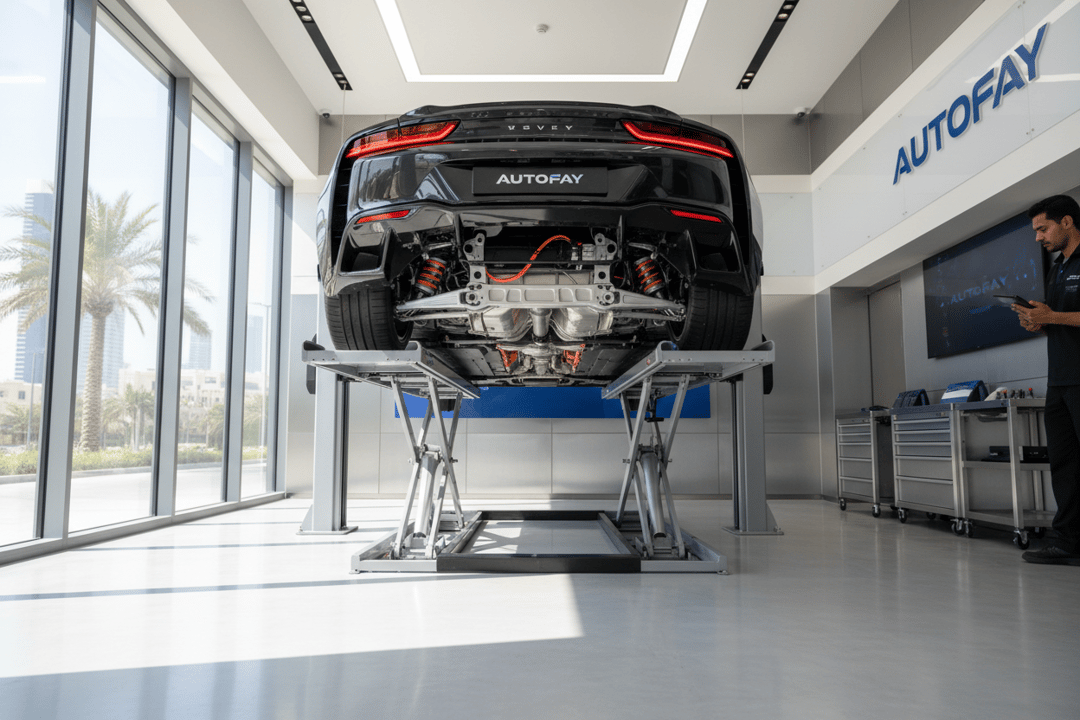
A professional inspection covers a wide array of systems, typically exceeding 410+ checkpoints across 25 distinct categories. The process begins with a full computer diagnostic scan using an OBD tool to retrieve manufacturer-specific trouble codes stored in the engine, transmission, ABS, and airbag control modules. This identifies active faults and historical errors that the owner may have cleared without rectifying the underlying cause. Inspectors then perform a road test to evaluate acceleration, braking responsiveness, and the absence of abnormal vibrations or noises under load. The physical examination scrutinizes the chassis for structural integrity, ensuring the frame rails, floor pans, and B-pillars have not been compromised in previous accidents.
Body, Paint, and Cosmetic Integrity
Visual inspection of the bodywork reveals the vehicle's history and treatment by previous owners. The UAE’s intense UV exposure accelerates clear coat deterioration and paint fading on the roof and hood. Inspectors look for panel gaps that are uneven or misaligned, which suggest previous collision repairs or poor-quality body shop work. A critical area of focus is the underside of the car; rust or corrosion in the wheel arches and exhaust system indicates exposure to salty air or road debris. Inspectors also verify that all exterior trim, including the Audi grille and Xenon or Matrix LED headlights, is original and free from moisture ingress, which can degrade light output over time.
Brakes, Suspension, and Tires
The braking system on the Q5 is designed for high-performance stopping, but wear components degrade rapidly under city traffic conditions. Inspectors measure the remaining material on brake pads and rotors to determine the immediate need for replacement. The suspension system, including ball joints, control arms, and sway bar links, is subjected to constant stress from potholes and uneven roads. Inspectors listen for knocking noises during a bounce test and visually inspect for leaking shocks. Tires are another critical safety component; inspectors check the manufacturing date, as tires aged beyond six years can become brittle and fail, especially during high-speed highway driving in the Emirates.
The Role of Diagnostics and Electronics
Modern vehicles are computers on wheels, and the Q5 is no exception. The electrical architecture relies on multiple control units that communicate via complex networks. A failure in one component, such as a failing door lock actuator or a faulty sensor, can trigger cascade errors across the vehicle's systems. Inspectors look for warning lights on the dashboard that do not illuminate after a battery reset, indicating a persistent fault. Electrical gremlins, such as flickering interior lights, erratic touchscreen behavior, or battery drain issues, often point to parasitic electrical draw or failing control modules.
Choosing the Right Inspection Package
Investing in a professional inspection service mitigates the risk of purchasing a compromised vehicle. Different levels of scrutiny offer varying depths of analysis to suit different budgets and needs. The Computer Diagnostics package, priced at AED 99, provides a foundational scan of the vehicle's computer systems to identify stored trouble codes and active faults. For a more detailed assessment of the vehicle's history and current condition, the Body & Computer package at AED 250 includes a comprehensive exterior and interior visual scan combined with the diagnostic analysis. For the highest level of scrutiny, the Comprehensive package at AED 299 offers a on-location inspection covering all 25 categories and 410+ checkpoints, ensuring every aspect of the car is evaluated by a experienced expert.
| Package | Price (AED) | Inclusions |
|---|---|---|
| Computer Diagnostics | 99 | Engine, Transmission, ABS, Airbag scanning for error codes. |
| Body & Computer | 250 | Visual exterior/interior check plus Computer Diagnostics. |
| Comprehensive | 399 | 410+ checkpoints across 25 categories including Road Test. |
On-location inspection services provide the convenience of having a experienced expert come to the buyer or seller’s location in any of the seven Emirates. This eliminates the need to transport the vehicle to a workshop and provides immediate feedback and a detailed report.
Conclusion
Navigating the used car market in the UAE requires a discerning eye and technical expertise that the average buyer may lack. The Audi Q5 offers a rewarding ownership experience when maintained correctly, but hidden defects can lead to significant expenses down the road. A detailed inspection uncovers these issues before the transfer of funds, ensuring the vehicle meets safety and performance standards.
AutoFay inspects 410+ checkpoints with HD photos and PDF report. Book at autofay.ae or call +971542584458



0 Comments
No comments yet. Be the first to share your thoughts!