

The Audi Q3 has established itself as a benchmark in the compact SUV segment, offering a blend of luxury, performance, and practicality. In the United Arab Emirates, this vehicle is a common sight on highways and city streets due to its premium positioning. However, purchasing a pre-owned Audi requires a forensic level of scrutiny. The engineering is complex, and the electronics are intricate. Without a professional vehicle inspection, a buyer risks inheriting latent defects that manifest shortly after purchase. Understanding the specific failure points of the Q3 is essential for any prospective buyer in the GCC region.
The Dynamics of the Used Audi Q3 in the UAE Market
The Q3 generation prevalent in the UAE typically features the capable TFSI turbocharged engine. This powertrain is capable and efficient, yet it is not immune to the harsh environmental conditions of the region. High temperatures accelerate the degradation of rubber components and fluids. Furthermore, the prevalence of high-speed driving on highways places immense stress on suspension components and brake systems. A vehicle that has been maintained in a temperate climate may suffer accelerated wear when exposed to the intense UAE sun and desert heat. Inspectors must look beyond the cosmetic appeal and evaluate how the vehicle has survived local driving conditions.
The suspension geometry of the Q3 is designed for comfort, but the stock setup can be sensitive to heavy loads or aggressive driving. Over time, control arm bushings and strut mounts wear out, leading to a loose steering feel and abnormal tire wear. Buyers should be wary of vehicles that have been frequently used for off-roading or towing, as this can alter the suspension geometry and compromise ride quality.
Engine and Transmission Health
The heart of the Q3 is the 2.0 TFSI engine, but it is notorious for specific maintenance issues. One of the most common complaints regarding this engine is oil consumption. While some oil consumption is normal for high-performance engines, excessive consumption indicates worn piston rings or valve guides. This leads to the need for frequent top-ups, which can quickly become an expensive habit. Inspectors must check the engine dipstick and verify the service history for oil change records.
- Timing Chain Tensioner Failure: The timing chain tensioner is a critical component that maintains the correct tension on the chain. Failure of this part causes the chain to slacken, leading to rattling noises and, eventually, catastrophic engine failure if not addressed.
- Turbocharger Issues: Oil leaks around the turbocharger are common. Leaking oil can burn off on hot exhaust components, creating smoke and a burning oil smell. A thorough inspection of the engine bay for oil residue is mandatory.
- Valve Cover Gasket Leaks: The valve cover gasket seals the top of the engine. Over time, this gasket hardens and cracks, allowing oil to seep out. This not only creates a mess but can allow debris to enter the engine or damage the spark plugs.
The automatic transmission, specifically the ZF 8-speed gearbox, is generally robust. However, it requires specific fluid maintenance. Neglecting the transmission fluid changes leads to overheating and shifting harshness. A "slipping" sensation during acceleration is a definitive sign of transmission failure, which requires an expensive rebuild or replacement.
Electrical Systems and Diagnostics
Audi vehicles are renowned for their advanced electronics, which is both a strength and a weakness in the used car market. The MMI (Multi-Media Interface) infotainment system is a frequent point of failure. Users often report frozen screens, unresponsive touch inputs, or complete system crashes. While these are often software-related and can sometimes be resolved through updates, they are frustrating and indicate the age of the vehicle's electronic architecture.
The Electronic Parking Brake (EPB) system is another area of concern. The EPB actuator is located at the rear of the vehicle and is prone to cable breakage or motor failure. This renders the parking brake inoperative, which is a critical safety hazard. Furthermore, the sensors for the parking brake and the brake system often trigger fault codes in the OBD system that require a professional scanner to resolve.
Diagnosing these electrical gremlins requires more than a visual inspection. A experienced inspector will connect a diagnostic tool to read fault codes stored in the Engine Control Unit (ECU), Transmission Control Unit (TCU), Anti-lock Braking System (ABS), and Airbag modules. This process provides a digital footprint of the vehicle's history and current health.
Body, Paint, and Frame Integrity
When inspecting the exterior of an Audi Q3, the key focus is on evidence of accident damage. The high value of the vehicle makes it a frequent target for theft and collision. Inspectors look for mismatched paint colors on panels, which indicates a repair. A "panel-by-panel" inspection is necessary to distinguish between original factory paint and post-repair work.
One of the easiest indicators of accident damage is the condition of the wheel arches and rocker panels. These areas often incur damage during parking maneuvers. Rust is less of a concern in the UAE, but corrosion in the chassis rails or floor pans can occur due to the presence of salt on roads in winter or poor drainage during heavy rains.
The vehicle frame, or chassis, must be structurally sound. The B-pillars (the vertical pillars behind the front doors) are critical for structural rigidity. Any sign of bending, welding, or filler in this area suggests the vehicle has been in a severe side-impact collision. A compromised frame alignment affects handling and safety, making the vehicle unsafe to drive.
Suspension, Brakes, and Tires
Brake performance is non-negotiable in the UAE. The brake rotors on the Q3 are relatively thin, and the pads are designed to be thin to provide good initial bite. Inspectors look for deep grooves in the rotors and measure the remaining pad material. Worn brake components not only reduce stopping power but also warp the rotors, leading to a vibration in the steering wheel during braking.
Tire selection in the UAE is critical due to the heat. Tires older than six years from the manufacturing date should be replaced, regardless of tread depth. The synthetic rubber compounds used in tires degrade faster in high temperatures, leading to a higher risk of blowouts. Inspectors check the four-digit manufacturing date code on the sidewall to ensure the tires are safe for the local climate.
The suspension system includes struts, shock absorbers, and control arms. The struts often leak hydraulic fluid, which can be identified by damp spots on the bottom of the strut cartridge. Clunking noises over bumps suggest worn ball joints or tie rod ends. Replacing these components is necessary for a comfortable ride and to prevent tire damage.
The Professional Inspection Advantage: Services by AutoFay
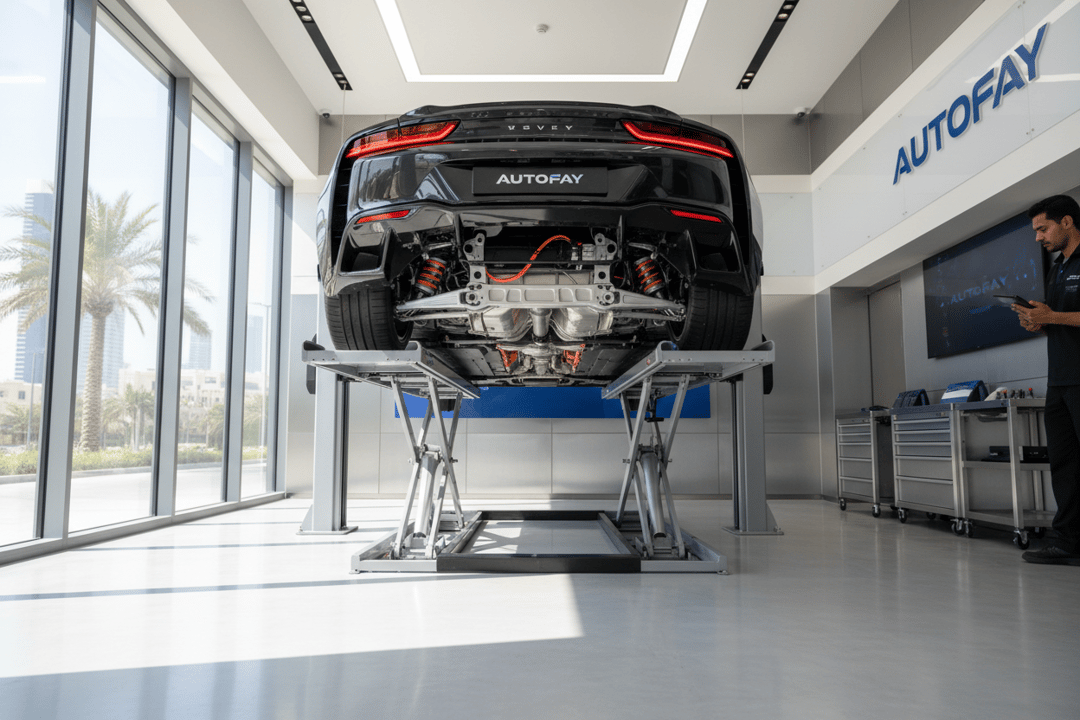
Distinguishing a reliable vehicle from a "lemon" requires expertise and a systematic approach. DIY checks are often insufficient for complex machinery like the Audi Q3. Professional inspection services provide a thorough evaluation of mechanical and structural integrity. A experienced inspector evaluates 410+ checkpoints across 25 specific categories to ensure no detail is overlooked.
AutoFay offers a on-location inspection service across all 7 Emirates, bringing the inspection expertise directly to the seller's location. This convenience allows for a comprehensive evaluation without requiring the buyer to transport the vehicle to a workshop. The service provides HD photos and a detailed PDF report documenting every finding.
The cost of a professional inspection is a fraction of the potential cost of fixing a hidden major failure. The service packages are designed to suit different needs. For a quick check of the engine and transmission electronics, the Computer Diagnostic service is available for AED 99. This service scans the vehicle's computer systems to identify active and stored fault codes.
For a more detailed analysis of the vehicle's condition, the Body & Computer package provides a comprehensive check for AED 250. This covers the physical condition of the bodywork, paint quality, and a deep dive into the electronic systems. For the utmost confidence, the Comprehensive package for AED 299 covers everything, including an extensive road test, suspension check, and a full fluid analysis.
| AutoFay Package | Service Inclusions | Price |
|---|---|---|
| Computer Diagnostic | OBD scan for Engine, Transmission, ABS, Airbag codes. Identifies electronic faults. | AED 99 |
| Body & Computer | Panel-by-panel body check, paint analysis, frame inspection, and computer diagnostics. | AED 250 |
| Comprehensive | Full 410+ checkpoint inspection. Includes Road Test, Brakes, Suspension, Tires, Fluids, and Frame. | AED 299 |
Investing in a pre-purchase inspection is the only way to validate the seller's claims. It uncovers hidden issues that are invisible to the untrained eye and provides a documented record of the vehicle's state. This data is invaluable during price negotiations and ensures the buyer is not liable for pre-existing damage once the transfer of ownership is complete.
Do not rely on verbal assurances from a seller. Engage a professional inspection service to verify the mechanical and structural health of the vehicle. Contact AutoFay today to schedule a on-location inspection.
AutoFay inspects 410+ checkpoints with HD photos and PDF report. Book at autofay.ae or call +971542584458



0 Comments
No comments yet. Be the first to share your thoughts!