

The Audi A6 stands as a formidable contender in the executive sedan segment within the United Arab Emirates. Its reputation for luxury, performance, and advanced technology attracts discerning buyers seeking a sophisticated driving experience. However, this engineering sophistication translates into specific maintenance requirements and potential vulnerabilities inherent to German automotive design. A thorough pre-purchase inspection is essential to uncover hidden defects that may not be visible to the naked eye. The long-term condition of a pre-owned vehicle dictates its future value and safety on the road. Skipping this critical step exposes the buyer to unforeseen financial burdens and mechanical risks. Professional inspection services provide the necessary data to make an objective assessment of the vehicle's history.
Understanding Engine Vulnerabilities in the Audi A6
The heart of the A6 is often its most complex component. Inspectors pay close attention to the engine bay for signs of wear that can lead to significant failure. One of the most common issues with this model is **oil consumption**, particularly in higher mileage vehicles.
Excessive oil consumption usually indicates worn piston rings or turbocharger seal degradation. These failures do not happen overnight; they develop over time as seals harden due to heat cycles. If an engine burns oil rapidly, it compromises lubrication, leading to metal-on-metal contact and eventual seizure. Inspectors check the engine dipstick for oil level consistency and listen for abnormal ticking sounds during startup. A ticking noise often points to valve train inconsistencies or low oil pressure.
Timing chain tensioners represent another critical engineering point. The timing chain operates under extreme tension; if the tensioner fails, the chain can skip or snap. This event often results in bent valves and destroyed cylinder heads, requiring a complete engine rebuild. Inspectors verify the condition of the engine mounts, as worn mounts cause excessive vibration that can mask other mechanical noises.
Body Integrity and Paint Analysis
Bodywork on the A6 can be compromised during low-speed accidents, and unscrupulous sellers may attempt to conceal damage. A visual inspection must be conducted panel-by-panel to determine the originality of the finish. Original paint possesses a specific gloss and reflection angle that is difficult to replicate with aftermarket touch-up sprays.
Inspectors look for inconsistencies in color, particularly around the door handles, mirrors, and wheel arches. These areas are prone to stone chipping and are often repainted to hide accident damage. "Orange peel" texture on the paint surface indicates that the clear coat was not applied correctly, which can lead to paint fading and oxidation over time. Misalignment of doors, bonnets, and boot lids suggests that the vehicle has been in a collision. Even minor impacts can compromise the structural **pillar integrity**, affecting the safety cage of the car.
The undercarriage requires equal scrutiny. Rust is a significant threat in the UAE coastal regions. Inspectors inspect the chassis rails, subframes, and suspension components for signs of corrosion. Corrosion weakens structural metal, potentially leading to failure during cornering maneuvers. Any signs of welding on the chassis should be viewed with extreme skepticism, as improper repairs can compromise the vehicle's safety rating.
The Nervous System: OBD and Electronics
Modern vehicles rely on complex electronic systems that are increasingly difficult to diagnose with basic tools. The **On-Board Diagnostics (OBD)** port holds the key to the vehicle's health history. A simple visual check will not reveal the stored error codes that indicate underlying faults.
For instance, a check engine light illuminating on the dashboard can stem from a loose gas cap or a failing mass airflow sensor. However, in the Audi A6, it often points to more serious issues like the EGR valve or catalytic converter degradation. Ignoring these electronic warnings can lead to reduced fuel efficiency and increased emissions. A professional scanner is required to read these specific manufacturer codes.
Electrical gremlins are also common in this model. Power window regulators, heated seat elements, and infotainment systems are prone to failure due to wear. Inspectors test these components to ensure they function as designed. A malfunctioning power window motor creates a safety risk in the event of an emergency exit requirement. Ensuring the electronic architecture is stable prevents future headaches and repair bills.
Suspension, Brakes, and Road Dynamics
The suspension system is responsible for maintaining contact between the tires and the road surface. The A6 utilizes a sophisticated multi-link setup that requires precise alignment. Worn **control arms** and bushings cause excessive road noise and vibration, diminishing the ride comfort expected of a luxury sedan. The steering feel becomes vague and inconsistent, making highway driving less secure.
Brakes are the primary safety mechanism for stopping the vehicle. Inspectors rate brake pad thickness on a percentage basis. Pads below the legal safety minimum require immediate replacement. The condition of the rotors affects braking efficiency and pedal feel. Glazed or scored rotors cause vibrations through the steering wheel during braking. These vibrations indicate that the rotors need resurfacing or replacement.
A successful **road test** evaluates the vehicle's performance under real-world conditions. Inspectors monitor for unusual noises during acceleration, turning, and braking. The brakes should engage smoothly without pulling to one side. The steering should return to center immediately after turning. Any abnormal sounds suggest worn suspension components or transmission issues that require further investigation.
Red Flags: Warning Signs to Avoid
When inspecting a used Audi A6, certain visual and auditory cues indicate a vehicle is likely to cost a fortune in repairs. One of the most obvious red flags is smoke exiting the exhaust pipe.
- Blue Smoke: Indicates burning oil. This signals piston ring or valve seal failure, often requiring an engine overhaul.
- White Smoke: Indicates coolant burning. This points to a blown head gasket or a cracked cylinder head, causing severe engine damage.
- Black Smoke: Indicates burning fuel. This suggests a faulty fuel injector, a rich air-fuel mixture, or a malfunctioning mass airflow sensor.
Another critical warning is the presence of warning lights on the dashboard that the seller claims to have "reset." These lights usually return shortly after driving. Additionally, leaks under the car should be investigated immediately. Oil leaks around the valve cover gaskets or the oil pan are common but require fixing. Coolant leaks can lead to engine overheating and significant failure.
Choosing the Right Inspection Package
Selecting the appropriate level of inspection ensures all critical systems are evaluated without unnecessary expense. Different packages offer varying degrees of depth.
For a preliminary assessment, a basic diagnostic scan is often sufficient to check for stored codes. However, for a complete picture of the vehicle's condition, a comprehensive inspection is necessary.
| Package | Price | Key Features |
|---|---|---|
| Computer Diagnostic | AED 99 | Scan engine, transmission, ABS, and airbag systems for stored error codes. |
| Body & Computer | AED 250 | Includes visual body inspection, paint analysis, and computer diagnostics. |
| Comprehensive | AED 299 | Full 410+ checkpoint inspection covering engine, frame, suspension, fluids, and road test. |
The comprehensive package offers the highest value for peace of mind. It covers 25 different categories, ensuring that no component is overlooked. This includes checking tire manufacturing dates to ensure they are not older than six years, which can lead to blowouts. It also verifies fluid levels and conditions, ensuring the transmission and coolant are clean.
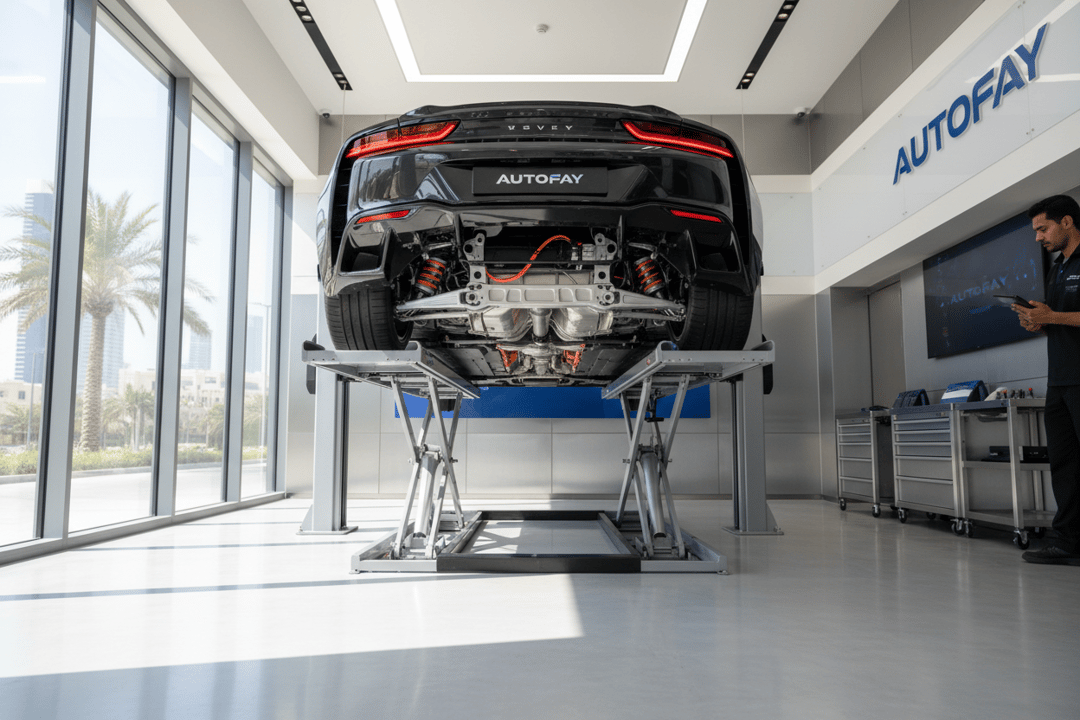
AutoFay inspects 410+ checkpoints with HD photos and PDF report. Book at autofay.ae or call +971542584458



0 Comments
No comments yet. Be the first to share your thoughts!