

The Audi A4 remains a dominant figure in the UAE used car market, prized for its balance of luxury and performance. However, prospective buyers must navigate specific technical nuances to ensure the vehicle is not a money pit. This guide outlines the critical areas inspectors examine when evaluating an Audi A4, distinguishing between genuine wear and structural failure.
Euro-Spec vs. Asian-Spec: Understanding the Architecture
Inspection starts with identifying the platform, as this dictates the maintenance philosophy. The B7 generation (2004–2008) is predominantly Japanese-spec, while the B8 (2008–2015) and B9 (2016–present) are largely European-spec.
European-spec A4s utilize aluminum engine blocks, which are lighter but prone to higher oil consumption over time. Conversely, Japanese-spec variants often use iron blocks but are notorious for suspension wear due to the aggressive driving conditions common in the Emirates. Inspectors must first confirm the build date to predict the severity of expected maintenance.
Engine Diagnostics and Fluid Analysis
The engine bay of an Audi A4 requires a rigorous evaluation of cleanliness and component integrity. Leaking fluids are common indicators of aging gaskets or O-rings. Inspectors check for oil seepage around the valve cover and the timing chain cover, as these are high-friction points on this engine platform.
Oil consumption is a known characteristic of this model. Buyers should verify the engine oil level at the time of inspection; low levels with no visible leaks often confirm internal consumption. Furthermore, a professional inspection includes an OBD scan for the Check Engine Light. Codes pointing to the secondary air injection system or catalytic converter efficiency usually indicate catalytic converter failure, a costly component to replace.
Transmission and Drivetrain
The automatic transmission in the Audi A4, specifically the DSG (Direct Shift Gearbox), is the single most failure-prone component. Buyers should perform a road test to check for hesitation during upshifts or jerky shifts during deceleration. Slipping gears or a delay in engagement often signals imminent transmission failure.
Inspectors also examine the driveshafts and CV joints. A clicking sound during sharp turns indicates damaged CV boots, which will allow moisture to enter and destroy the joint. If the inner CV boot has been torn and repaired, the driveshaft might be worn out internally, necessitating replacement.
Body, Paint, and Frame Integrity
While the A4 is a durable sedan, bodywork reveals the vehicle's history. Scratches and dents are inevitable, but the quality of repair is critical. Inspectors look for panel gaps that are uneven, which indicate previous collision damage and poor alignment.
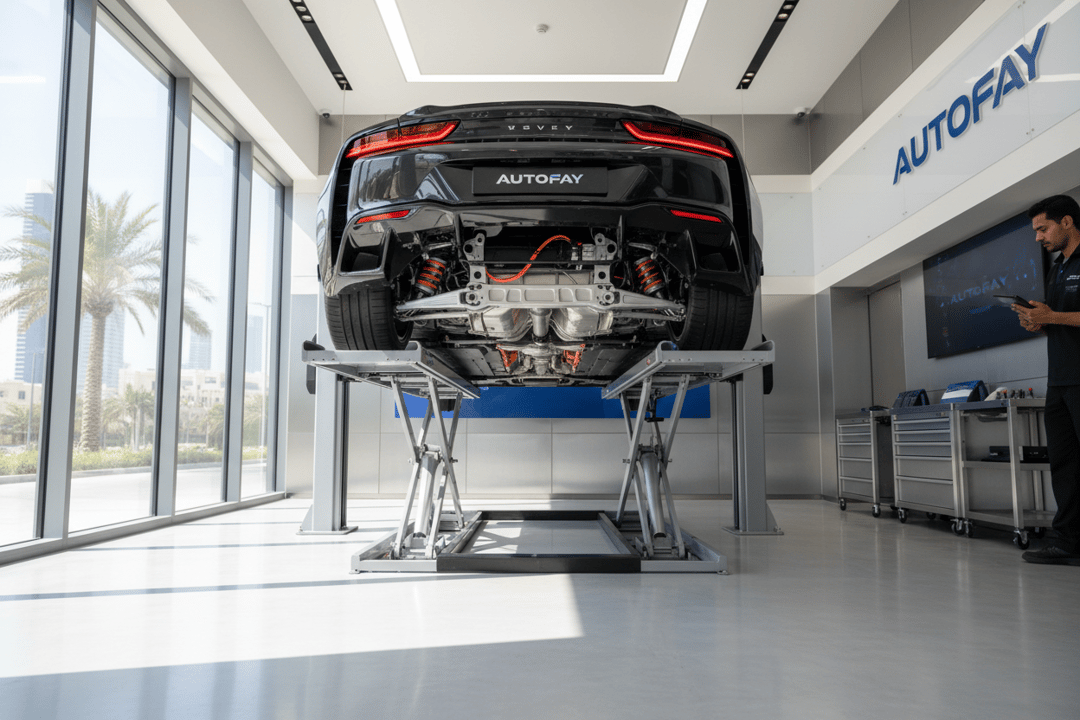
Paint analysis is essential to identify accidents. Inspectors check for overspray on rubber trim, door seals, and the trunk lip. The hood and trunk should be original; if the VIN plate on the hood is not original, the hood has been replaced. A frame inspection is non-negotiable for high-end vehicles. Inspectors measure the car's structural rails, A-pillars, and floor pans to ensure the vehicle has not been in a collision that compromised the safety cage.
Key Inspection Categories
A professional evaluation encompasses a wide range of systems to ensure all components are functioning within safe parameters. A comprehensive inspection covers the following critical areas:
- Brake System: Inspectors measure the remaining thickness of brake pads and discs. Excessive wear or disc scratching indicates hard braking habits or caliper sticking.
- Suspension: The ride quality determines the driver's safety. Inspectors check control arms, ball joints, tie rods, and sway bar links for play or rust.
- Tires: Tire age is a major safety concern. Inspectors verify the manufacturing date (DOT code) to ensure the tires are not over six years old, as aging rubber loses its grip.
- Electronics: From the MMI (Multi-Media Interface) screen to the power seats and sunroof, all electronic features must be tested for proper operation.
- Fluids: Engine oil, transmission fluid, coolant, and power steering fluid are checked for level and condition. Dark, burnt-smelling transmission fluid is a critical failure indicator.
Recommended Inspection Packages
Given the complexity of the A4, attempting a visual inspection alone is insufficient. A professional service provides a detailed report on all 410+ checkpoints across 25 categories. The following packages offer varying levels of depth depending on the buyer's budget and the vehicle's condition:
| Package Name | Features | Price |
|---|---|---|
| Computer Diagnostic | Engine, Transmission, ABS, Airbag, and Electrical system scanning. | AED 99 |
| Body & Computer | Includes Computer Diagnostic plus a detailed visual check of Body, Paint, and Frame. | AED 250 |
| Comprehensive | Full inspection including Road Test, Suspension, Brakes, Tires, and Fluids. | AED 299 |
Red Flags Specific to the UAE Market
The UAE market presents unique risks for Audi A4 buyers, particularly regarding vehicle history. One significant red flag is the presence of a Mod Chip. These aftermarket devices often claim to increase horsepower but frequently cause erratic engine behavior, transmission faults, and permanent ECU damage.
Another concern is the vehicle's previous application. Many high-mileage A4s in the Emirates were used as taxis or rental fleets. Inspectors check for unusual wear patterns on the steering wheel, pedals, and seat upholstery, which suggest high annual mileage and hard driving cycles. Additionally, modifications to the exhaust system or air intake can affect engine calibration and emissions testing compliance.
Do not rely on verbal assurances from a seller. A professional on-location inspection service can visit the seller's location in any of the 7 Emirates. AutoFay inspects 410+ checkpoints with HD photos and PDF report. Book at autofay.ae or call +971542584458.



0 Comments
No comments yet. Be the first to share your thoughts!