

The Audi A3 holds a prestigious position in the UAE automotive market, blending German engineering with a compact footprint that suits city living and highway cruising alike. However, purchasing a pre-owned Audi requires a discerning eye, as these vehicles are mechanically complex and often hide underlying issues beneath a polished exterior. A certified pre-purchase inspection is not optional; it is a necessary step to uncover the vehicle's true condition before financial liability transfers to the buyer. Understanding the specific pain points of the A3 generation you intend to buy ensures you do not inherit a maintenance significant issue disguised as a bargain.
Engine and Transmission: The TDI and TFSI Factors
The heart of any Audi A3 is its powertrain, and inspectors pay close attention to the age and mileage of the engine. For diesel models, the 2.0 TDI engine is generally robust, but high-mileage examples often suffer from timing chain tensioner failure, which can result in catastrophic engine damage if ignored. If the timing chain has not been replaced, the engine may exhibit a rattling noise during cold starts or a severe vibration at idle. Furthermore, oil consumption is a known issue with some TFSI petrol engines; inspectors check the dipstick for low levels and look for blue smoke from the exhaust, which indicates burning oil.
The Dual-Clutch automatic transmission, known as the DSG, is a marvel of engineering but sensitive to service history. A failure in the DSG clutch packs or valve body can lead to hesitation during gear shifts or, in severe cases, complete loss of drive. A professional inspection involves monitoring the transmission fluid condition during a road test. If the fluid is dark, burnt, or smells acrid, the transmission is likely overdue for service, which carries significant financial implications for the new owner.
- Timing Chain Tensioner: Check for rattling on cold starts and ensure the tensioner has been replaced if mileage exceeds higher mileage.
- Oil Consumption: Inspect the dipstick and dipstick tube for oil residue, suggesting the engine is burning oil.
- Transmission Fluid: Verify the age of the fluid; burnt fluid indicates the transmission has been subjected to heavy stress.
Visual Inspection: Body and Paint Integrity
Visual inspection begins with the "panel gap" check. Audi vehicles are manufactured to precise tolerances, and excessive gaps between doors, the bonnet, and the boot lid suggest previous accidents or poor panel replacement. Inspectors use a flashlight to examine the finish of the paintwork for inconsistencies in hue or gloss level, which are tell-tale signs of repainting. Original paint is critical for the structural integrity of the vehicle, as replacement panels are rarely color-matched to the factory standard.
Moisture ingress is a frequent complaint among A3 owners, particularly in the carpeting of the spare tire well or the dashboard. Water indicates a breach in the vehicle's sealing, potentially leading to electrical short circuits or mold growth. Inspectors also check the condition of the door seals and the boot seal to ensure water is being repelled during a hose-down test. Any sign of corrosion on the brake calipers or suspension components is a red flag, as rust indicates exposure to road salt or prolonged moisture.
Suspension and Braking Wear
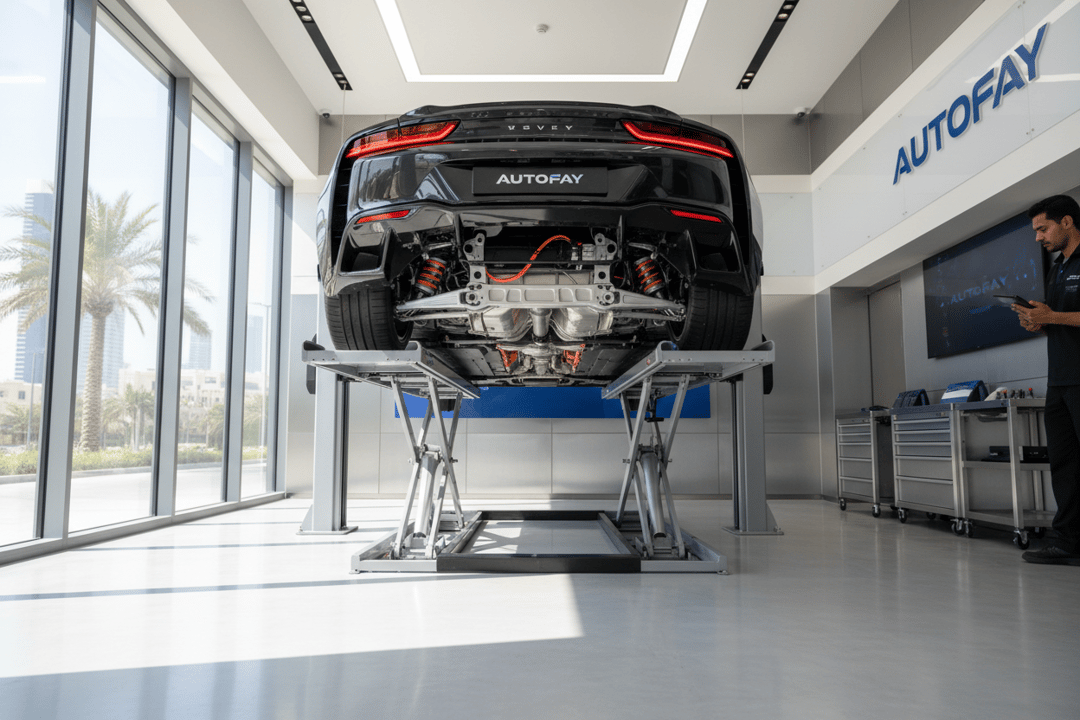
The suspension system on a pre-owned Audi A3 in the UAE often bears the brunt of the region's road conditions, including speed bumps and potholes. Control arm bushings are a weak point; worn bushings result in a clunking noise over bumps and a vague steering feel. Inspectors perform a "shake test" on the vehicle while the wheels are lifted to identify excessive play in the ball joints or tie rods, which are safety-critical components.
Brake maintenance is non-negotiable on any vehicle, and Audi A3s are no exception. Inspectors measure the remaining thickness of the brake pads using a digital caliper to determine the pad percentage rating. Worn brake discs can cause vibrations through the steering wheel during braking, indicating the need for immediate replacement. Additionally, the ABS sensor rings in the brake hubs must be checked for damage or heavy corrosion, as this can trigger expensive error codes.
AutoFay Inspection Packages for Audi A3
Choosing the right level of inspection affects how thoroughly the vehicle's condition is documented. AutoFay offers three distinct service tiers designed to address different needs, from a rapid computer check to a full mechanical and structural analysis.
| Package | Price (AED) | Key Inclusions |
|---|---|---|
| Computer Diagnostic | 99 | OBD scan for engine/transmission/ABS/airbag error codes. |
| Body & Computer | 250 | Full exterior/interior check plus mechanical diagnostic scan. |
| Comprehensive | 399 | 410+ checkpoints across 25 categories including frame and suspension. |
The Road Test and Fluid Dynamics
A road test provides data that a static inspection cannot. Inspectors listen for abnormal noises from the wheels, which often indicate wheel bearing failure, and check for vibrations that suggest out-of-balance wheels or damaged suspension components. The vehicle’s acceleration should be smooth, with no hesitation from the engine or jerky shifts from the transmission.
Fluid levels and conditions are the lifeblood of the vehicle's longevity. Transmission fluid should be bright red and smell sweet; if it is brown or black, the transmission has likely been neglected. Coolant should be clear and free of rust particles, indicating the cooling system is functioning correctly and preventing overheating. Power steering fluid should be examined for a burnt smell, which signals internal pump wear. Inspectors also check the brake fluid for moisture content, as water lowers the boiling point and can lead to brake fade.
- Acceleration Test: Monitor for hesitation or jerking during acceleration, which points to fuel delivery or transmission issues.
- Steering Feedback: The steering should be responsive without wandering; excessive play indicates worn suspension geometry.
- Noise Monitoring: Listen for humming, clicking, or screeching sounds from the wheels or engine bay.
AutoFay inspects 410+ checkpoints with HD photos and PDF report. Book at autofay.ae or call +971542584458



0 Comments
No comments yet. Be the first to share your thoughts!