
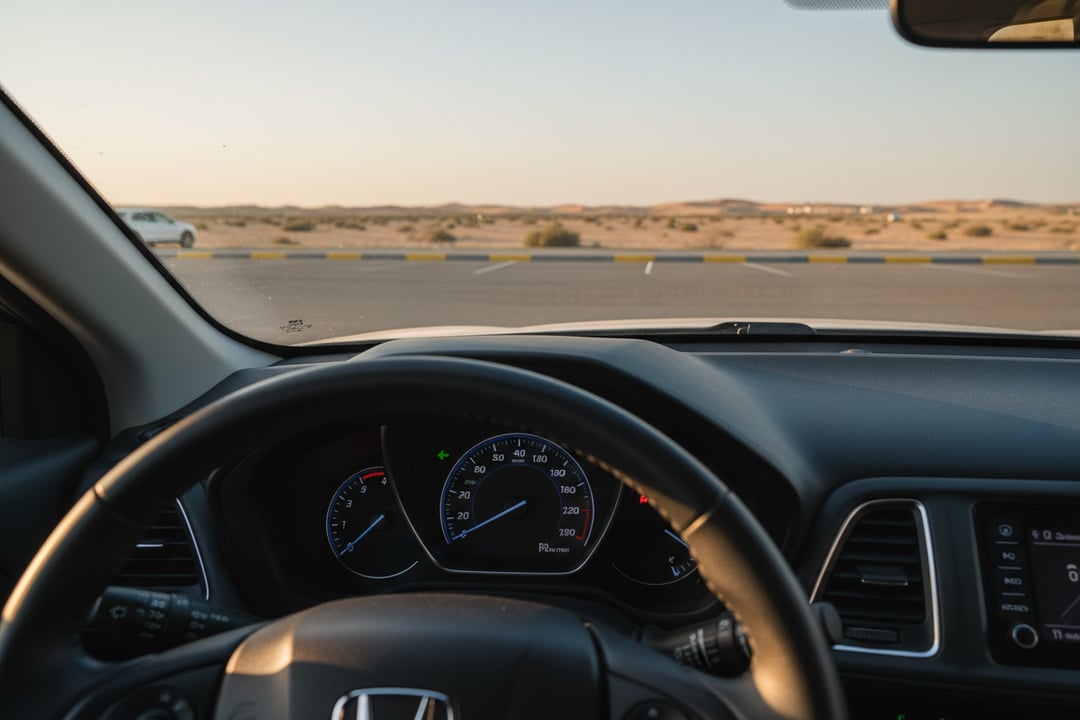
Buying a used Honda HR-V 2022 for highway cruising is a smart move. This SUV is designed to feel larger than it is, offering a planted feel on the open road. However, highway miles tell a story that city miles do not. High speeds generate heat, vibration, and constant stress on suspension and transmission components. You need to know the difference between a well-maintained cruiser and a ticking time.
Highway Stability and Suspension
The HR-V sits on a MacPherson strut front and multi-link rear setup. This is generally comfortable, but highway driving can expose weak links. You are looking for "dead" shocks or bushings that have hardened. When you drive over expansion joints or broken pavement, a healthy SUV absorbs the impact smoothly. If you feel a "thud" or a harsh bounce, the shock absorbers have lost their ability to dampen energy.
Inspect the strut mounts at the top of each strut. These are the pivoting points for the steering. They often develop cracks or leak oil. A leaking strut mount compromises your ability to steer accurately at high speeds. It can also lead to a noisy clunking sound when you turn the steering wheel while the car is stopped.
Engine Health for Long Distances
The capable i-VTEC engine in the HR-V is a reliable workhorse, but it has specific failure points that become critical during long hauls. When you start the engine cold, listen carefully. A ticking sound usually indicates tight valve clearances, which is normal for a cold start but becomes a problem if it persists when the engine is hot. A knocking sound, however, suggests worn piston rods or bearings. That engine will fail catastrophically within a few thousand kilometers if you ignore it.
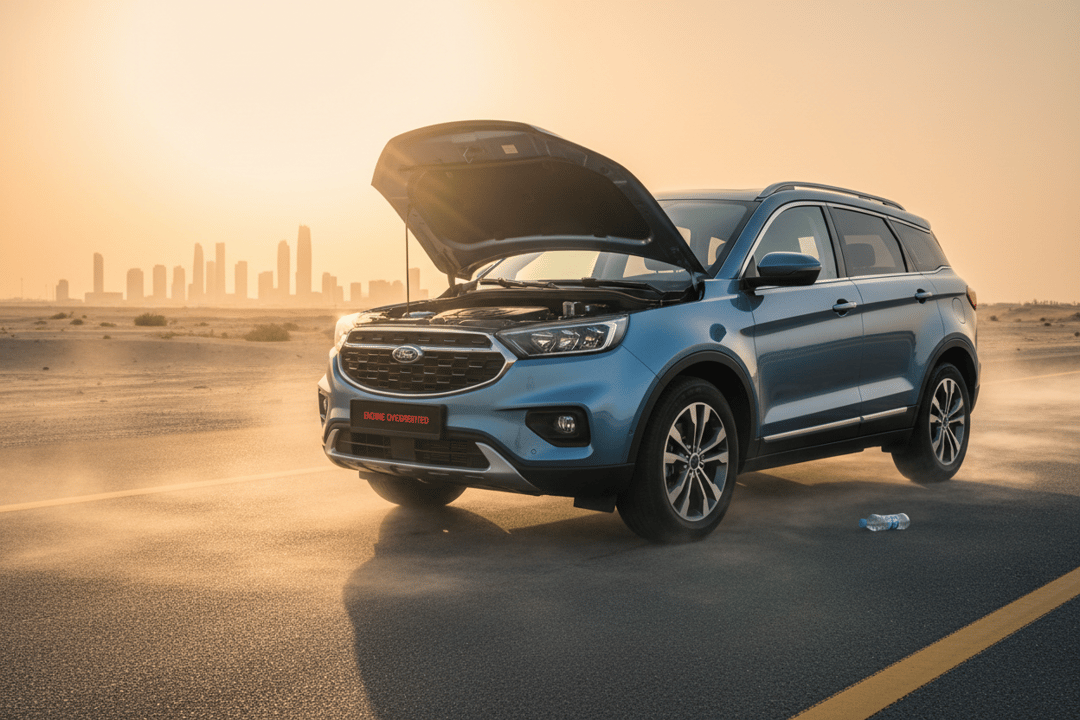
Check the engine bay for leaks. Look at the valve cover gasket and the oil filter cap. Oil leaks rarely stop on their own; they only worse. A slow drip on the driveway will turn into a puddle on the garage floor, and eventually, the engine will run low on oil pressure. Low oil pressure leads to overheating, and an overheated Honda engine often requires an expensive rebuild.
Transmission and Drivetrain Stress
Highway cruising requires the transmission to hold gears for long periods. This puts significant heat load on the transmission fluid. Automatic transmissions in older HR- are sensitive to heat. If the transmission fluid is dark, smells burnt, or a milkshake mixed with oil, the internal clutch packs are already slipping. This slippage generates more heat, creating a vicious cycle that will destroy the transmission within months.
Check the transmission mount. This rubber bushing isolates the engine and transmission from the chassis. If it is cracked or missing, you will feel every vibration from the engine. This not only makes the cabin uncomfortable but also accelerates the wear on the engine mounts and driveshaft.
Braking System and Tires
On the highway, your brakes are your most critical safety system. You need to know the condition of the brake pads and discs. Brake pads are measured by thickness percentage. If the brake pads are below 50%, you are looking at a replacement soon. More importantly, if the calipers are seized, the brakes will drag. A dragging brake causes the wheel to overheat, which can warp the brake disc and ruin the tire on that specific wheel.
Tire condition is equally vital. Tires lose their structural integrity over time. Even if the tread depth looks okay, tires older than five years are dangerous at highway speeds. They lack the heat dissipation required to grip the road during hard braking. Check the manufacturing date on the tire sidewall. Buying a car with tires over five years old is like buying a house with a roof that is about to leak.
The Danger Zone: Fluids and Electrics
Long-distance travel relies on a complex electrical system to control the transmission, ABS, and stability control. A simple error code can disable these systems while you are driving. A computer diagnostic scan is non-negotiable. It reveals hidden errors that the dashboard lights won't show.
Check the brake fluid condition. Brake fluid absorbs moisture over time, which lowers its boiling point. If you brake hard on a highway, the fluid can boil, turning into vapor. Vapor compresses, meaning your brakes will fail to stop the car. If the brake fluid is dark brown or black, it is saturated with moisture and needs immediate replacement.
Body and Frame Integrity
Highway driving often involves debris from trucks, including loose bolts, nails, and stones. These can puncture tires and damage body panels. You must inspect the body panels for dents and the paint for mismatched colors. Mismatched paint is a clear sign of past collision repair.
Inspect the car's frame rails and the A-pillars. These are structural bones of the vehicle. If the car was in a side impact accident, the frame may be bent, and the A-pillars may have been replaced. You can identify this by checking the alignment of the door gaps. If the door gaps are uneven, the car has been in a crash, or the suspension is worn out.
Why You Need an Agency-Level Inspection
You cannot trust a mechanic who only looks at the engine. You need a professional inspection that covers every angle. At AutoFay, we understand that buying a used car is a high-stakes decision. We three tiers of inspection to suit your and needs.
The Computer Diagnostic AED 99 package is the starting point. It connects to the car's onboard computer to check for engine, transmission, ABS, and airbag system codes. If the car has a stored error code, this scan will uncover it before you.
For buyers who want a closer look, the Body & Computer AED 250 package adds a detailed inspection of the bodywork and paint. This helps identify accident damage that isn't visible from a drive by.
The Comprehensive AED 299 package is the safety net. This covers all 410+ checkpoints across 25 categories. This includes a road test to check acceleration, braking, noise, and vibration. It verifies the condition of the frame, frame rails, floor pan, and suspension. We also inspect the tire manufacturing year and wear, fluid levels and conditions, and the brake pad percentage rating.
Key Inspection Categories Explained
Here is what you should look for when inspecting any SUV, specifically the HR-V:
| Inspection Category | What to Look For |
|---|---|
| Body & Paint | paint on panel gaps, no mismatched, VIN plates intact. |
| Frame | Unbent rails, straight pillars, no signs of cutting or welding on structural parts. |
| Engine | No smoke on startup, steady oil pressure, no strange noises during acceleration. |
| Brakes | Pads above 50% thickness, no vibration when braking, fluid is clear and golden. |
| Suspension | td>No oil leaks at mounts, no clunking over bumps, tires are evenly worn.|
| Fluids | td>No coolant leaks, transmission fluid smells sweet and looks red/pink, no oil sludge.
Skipping this step costs you more in the long run than the inspection fee. A burnt transmission fluid means the gearbox could fail within months. A cracked engine mount means you will feel every bump and cause damage to the chassis.
Don't blind. Let the experts at AutoFay do the legwork. We provide HD photos and a detailed PDF report for every inspection.
AutoFay inspects 410+ checkpoints with HD photos and PDF report. Book at autofay.ae or call +971542584458
0 Comments
No comments yet. Be the first to share your thoughts!