

Visibility remains the single most critical factor in vehicle operation, and the windshield wiper system is the primary mechanism responsible for maintaining that visibility. In the United Arab Emirates, the operational environment for automotive components differs drastically from temperate climates. The sheer intensity of the sun, combined with high ambient temperatures and abrasive desert dust, subjects vehicle wiper blades to accelerated degradation. Most drivers view the wiper assembly as a static component that operates reliably until failure, yet rubber is a perishable material. Understanding the mechanisms of wiper blade failure is essential for maintaining safety standards and ensuring compliance with vehicle inspection protocols.
The Accelerated Degradation of Rubber in the UAE Climate
Rubber compounds used in wiper blades contain natural oils and synthetic polymers designed to maintain flexibility. When exposed to the relentless ultraviolet radiation prevalent in the UAE, these compounds begin to break down. The intense solar heat accelerates the oxidation process, effectively "baking" the rubber. This chemical reaction transforms the flexible, viscoelastic material into a hard, brittle state. A blade that was once pliable and capable of conforming to the curvature of the glass will eventually lose its shape retention. This loss of elasticity prevents the blade from making full contact with the windshield surface, creating a gap where water cannot be displaced.
Additionally, the dusty atmosphere of the Emirates plays a significant role in chemical degradation. Fine particulate matter acts as an abrasive during every wipe cycle. This abrasion wears away the protective coating on the rubber edge, leaving the underlying material exposed to the atmosphere. Over time, the metal frame connecting the rubber strips can also suffer from corrosion due to the high salt content in coastal areas or the general lack of moisture preventing the flushing away of debris. The combination of UV exposure and mechanical abrasion creates a hostile environment that drastically shortens the lifespan of standard wiper blades compared to those used in temperate regions.
Symptoms of Hardening and Structural Failure
Drivers often mistake a failing wiper blade for a malfunctioning motor or a faulty linkage system. However, the primary cause of erratic wiping behavior is physical degradation of the rubber element. As rubber hardens, it loses its ability to distribute pressure evenly across the windshield. This results in a phenomenon known as "chattering," where the blade vibrates across the glass surface in a stuttering motion rather than a smooth sweep. This vibration is not only a nuisance but a significant safety hazard, as it fails to clear water, fog, or insects, leaving a streak that obstructs the driver's line of sight.
Beyond hardening, the rubber edge can split or crack due to the brittleness caused by heat. Once a split occurs, water channels fail to function correctly. Instead of wiping, the water is pushed to the side or lifted off the glass, a behavior known as "water surfing." This renders the wipers useless during heavy rain. Furthermore, a hardened blade often lifts off the glass at the apex of the arc, causing the metal frame or the rubber insert to scrape against the glass edge. This mechanical contact creates micro-scratches on the windshield, which eventually scatter light and increase glare, further compromising visibility under high-contrast conditions like sunrise or sunset.
Replacement Frequency and Best Practices
There is no single universal timeframe for wiper replacement, as it is dictated entirely by the severity of the operating environment. In the UAE, a standard interval of six to twelve months is the minimum recommendation, with six months being the safe standard for vehicles driven daily in urban or desert environments. Seasonal changes also dictate the maintenance schedule. While the UAE does not experience the freezing winters of northern climates, the transition from the scorching summer to the cooler winter months brings sudden rainfall to certain Emirates. Wipers that have been dormant and hardened during the hot months will perform poorly during the first rains, potentially causing accidents. It is critical to inspect the blades at the onset of the rainy season and replace them immediately if they show signs of cracking or stiffness.
Modern synthetic rubber blends offer improved longevity, but they are not immune to the relentless UAE sun. The type of fluid used in the windshield washer reservoir also impacts blade life. Using a low-quality, alcohol-heavy fluid can dry out the rubber faster than water-based solutions. The presence of road dust mixed with even the highest quality fluid creates a paste that can act as a grinding compound if the blades are not frequently wiped on a dry surface to clean off the debris. Regular visual inspection of the rubber edge—checking for feathering (the edge turning into a fringe) or discoloration—should be part of the weekly vehicle check routine.
The Role of Washer Fluid and Glass Condition
Wiper blades operate in conjunction with the windshield washer system, and a failure in one often leads to issues in the other. The fluid serves as a lubricant and a cleaning agent, allowing the rubber to glide over the glass without excessive friction. In the UAE, dust accumulation is rapid. When the reservoir is empty or the fluid is low, the wiper blade is forced to wipe a dry, dusty windshield. This dry friction generates immense heat at the point of contact, accelerating the hardening of the rubber and scratching the glass surface.
A dirty windshield creates a hydrophobic layer of grime that the rubber cannot penetrate. Even if the blades are new, they will smear dust rather than removing it. This necessitates a more aggressive wiping motion, further stressing the blade's attachment mechanism. When inspecting a vehicle, the condition of the washer fluid should be verified alongside the mechanical condition of the wiper arms. A full reservoir of clear, non-corrosive fluid is a small maintenance task that significantly reduces wear on the wiper assembly and ensures immediate visibility enhancement during a spray wash.
Why Wipers Fail Inspection and the AutoFay Approach
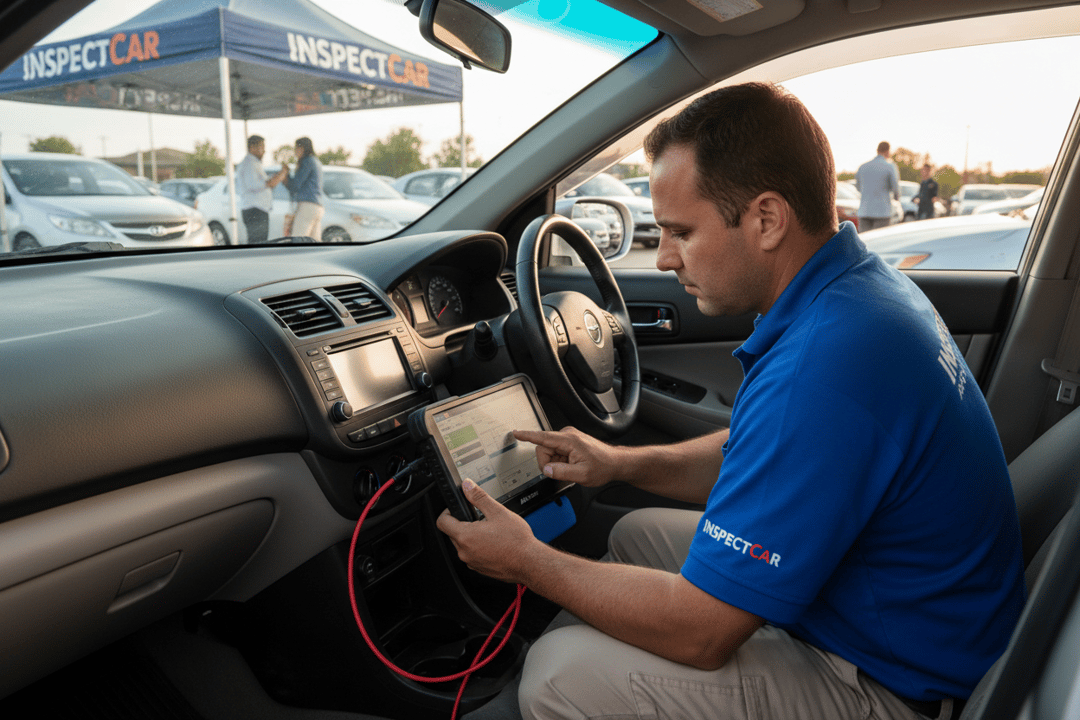
During a professional vehicle inspection, the wiper system is evaluated under the umbrella of the "Body and Paint" or "Fluids" checkpoints. A vehicle will often fail inspection if the wiper blades are missing, excessively worn, or if they leave a permanent streak on the glass that obstructs the driver's view. The inspector assesses the blade edge for splits and the frame for rust or bending. The functionality of the wiper motor is also checked, though usually, if the blades are replaced and the motor works, the component is considered operational.
Many vehicles fail inspection not due to a broken motor, but because the rubber has disintegrated into small pieces that jam the wiper arm linkage. This mechanical obstruction prevents the wiper from returning to its resting position, causing the blade to sit in the open position and potentially scrape against the paint or frame. An inspection reveals this damage by observing the wiper arm position during the road test. Furthermore, the inspector checks the rear wiper mechanism in SUVs and hatchbacks, as this is a frequently neglected component that can fail silently during an inspection.
- Missing or Broken Clips: Failure to keep the rubber insert secured to the frame.
- Frayed Rubber Edge: The leading edge of the blade is jagged, preventing a clean wipe.
- Streaking on Dry Glass: The rubber has hardened and is no longer conforming to the surface.
- Stuck or Bent Arms: Metal fatigue caused by heat stress or impact.
At autofay.ae, we conduct over 410+ checkpoints across 25 categories to ensure a vehicle is safe for the road. Our "Body & Computer AED 250" package specifically evaluates the exterior panel integrity, including the frame and hinges where wiper arms are mounted. The "Comprehensive AED 299" package includes a fluid level and condition check, ensuring that the washer system is fully functional alongside the mechanical blades. We utilize high-definition photography to document the condition of the wiper edge, providing customers with a clear record of wear and tear that may require attention before a sale or annual check.
| Wiper Condition | Driver Safety Risk | Inspection Outcome |
|---|---|---|
| Hardened / Cracked | Water streaming across the windshield, extreme glare, inability to see during rain. | Fail – Immediate replacement required. |
| Streaking / Chattering | Intermittent visibility, driver distraction while attempting to wipe manually. | Pending – Recommend replacement before rain season. |
| Frayed Edge | Micro-scratches on windshield glass, reduced glass clarity over time. | Pending – Recommend replacement to protect glass. |
| Missing / Broken | Zero visibility during precipitation, damage to windshield glass if metal contacts glass. | Fail – Immediate replacement required. |
The wiper system is a small mechanical component that has a disproportionate impact on road safety. Neglecting its maintenance leads to a domino effect of failures, from scratched windshields to compromised visibility during sudden downpours. A proactive approach to maintenance involves checking the rubber edge for wear every three months and ensuring the washer fluid reservoir is topped up with a quality solution. Proper maintenance prevents the wiper arm from seizing in the open position, which can cause expensive damage to the windshield frame during the next movement.
When purchasing a used vehicle in the UAE, the wiper system is often overlooked by untrained buyers. However, a professional inspection reveals the history of wear. If the wiper blades are original equipment and the car is several years old, the rubber is almost certainly hardened. Replacing the blades and filling the washer fluid is a low-cost upgrade that significantly improves the perceived quality and safety of the vehicle. This is why the fluid level and wiper condition are integral parts of autofay.ae’s inspection categories.
For vehicle owners, the consequences of neglect are twofold. First, there is the immediate safety risk of reduced visibility. Second, there is the risk of damaging the windshield, which is a costly repair. A hardened blade acts like a knife edge,


0 Comments
No comments yet. Be the first to share your thoughts!