

UAE motorists often view the winter months merely as a respite from the heat, overlooking the significant shift in driving conditions that rainfall brings. The sporadic yet heavy downpours characteristic of the region’s winter season fundamentally alter the physics of vehicle dynamics. Drivers must recognize that vehicle maintenance is no longer just about longevity but is a critical safety measure for wet-weather driving. A vehicle that performs perfectly in dry conditions can become a hazard the moment the first puddle appears. Proactive inspection is the only way to ensure reliability when roads are slick and visibility is compromised.
The Critical Role of Tread Depth in Rain Safety
Tire tread is the primary interface between the vehicle and the road surface, yet its function is often misunderstood. Tires are designed with sipes and grooves to channel water away from the contact patch, preventing hydroplaning. Hydroplaning occurs when a layer of water builds up between the tires and the road, causing the vehicle to lose all traction and steering control. This phenomenon is most dangerous in the UAE, where sudden, heavy downpours can create standing water on highways and city streets in a matter of minutes. A tire with insufficient tread depth cannot displace water effectively, drastically increasing the risk of losing control at high speeds.
- Tread Depth Standards: Most legal jurisdictions require a minimum tread depth of 1.6 millimeters. Below this depth, the tire’s ability to channel water is critically compromised.
- Uneven Wear Patterns: Bald spots or excessive wear on specific edges often indicate suspension misalignment or tire pressure issues. These defects act as hydroplaning triggers because they disrupt the uniformity of the water displacement.
- Sidewall Integrity: Inspectors must check for cracks or bulges on the tire sidewall. These structural weaknesses can lead to blowouts, especially when the rubber hardens due to fluctuating winter temperatures.
Regular visual assessment is the first line of defense. Drivers should look for wear bars that have risen to the level of the tire tread. If these bars are flush with the rubber, the tire must be replaced immediately. Driving on tires below the legal limit does not just violate traffic laws; it removes the margin of safety required to navigate flooded intersections or slick descents on mountain passes.
Wiper Blade Condition and Visibility Management
Visibility is the most critical sense for a driver, and rain renders this sense unreliable if the windshield is not perfectly clear. Wiper blades are not designed to last indefinitely; the rubber degrades due to UV exposure, ozone in the atmosphere, and temperature fluctuations inherent in the UAE climate. As wiper blades age, the metal supports can warp, and the rubber becomes hard and brittle. This degradation leads to a failure to maintain consistent contact with the glass surface.
When a wiper blade creates streaks or skips across the windshield, it leaves patches of water that obscure the driver’s view. This partial obstruction can make it impossible to judge braking distances of vehicles ahead or to see pedestrians stepping off the curb. A proper inspection involves checking the rubber for splits, tears, or hardening. Technicians will also ensure the wiper arms are applying the correct pressure; if the arm is loose, the blade cannot conform to the curvature of the glass, resulting in missed spots.
Brake System Resilience in Wet Conditions
Water acts as a lubricant between the brake pads and the rotors, temporarily reducing the friction coefficient. This is known as brake fade and is exacerbated by worn brake components. If a vehicle has worn brake pads, the reduced surface area cannot generate the heat necessary to vaporize the thin film of water on the rotor. Consequently, the braking distance increases significantly. In an emergency stop situation, this delay can be the difference between a safe stop and a collision.
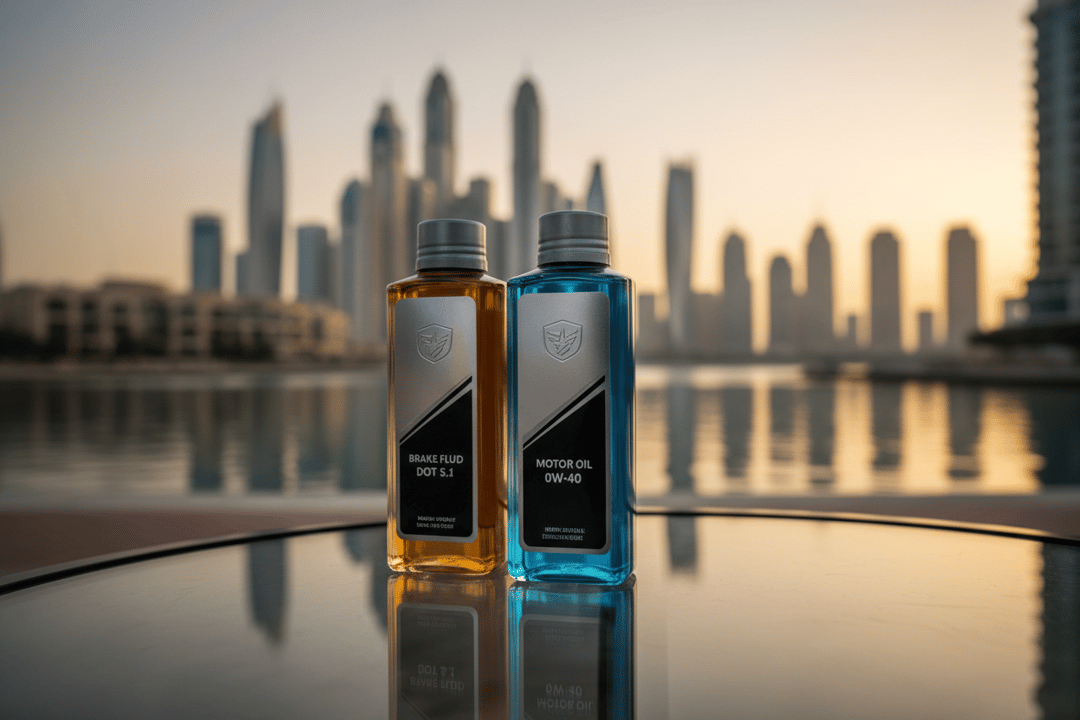
Brake fluid is hygroscopic, meaning it absorbs moisture from the air over time. As moisture content in the fluid rises, the fluid's boiling point drops. Under heavy braking, the fluid can reach this lower boiling point and turn into vapor, creating a bubble in the brake line that effectively disables the brakes until the system cools down. A comprehensive inspection evaluates the fluid level and condition, ensuring the hydraulic system functions correctly regardless of the road temperature.
| Brake Pad Condition | Inspection Implication | Recommended Action |
|---|---|---|
| 0% - 20% | Minimum thickness achieved. Immediate replacement required to prevent rotor damage. | Replace immediately. |
| 21% - 50% | Significant wear detected. Safety margin is low for heavy braking scenarios. | Monitor closely and schedule service soon. |
| 51% - 80% | Acceptable wear level for average driving conditions. | Service within the next 3,000 to higher mileage. |
| 80% - 100% | Tires are new or recently replaced. No immediate action required. | Maintain routine inspections. |
The Value of Professional Vehicle Inspection Services
While visual checks are beneficial, they lack the precision required to assess complex systems like the suspension and engine health. The suspension system, including shock absorbers and struts, plays a vital role in maintaining tire contact with the road. Worn dampers allow the vehicle to bounce excessively after hitting a bump or driving through a water patch, further reducing traction. Identifying worn suspension components requires experience and specialized equipment.
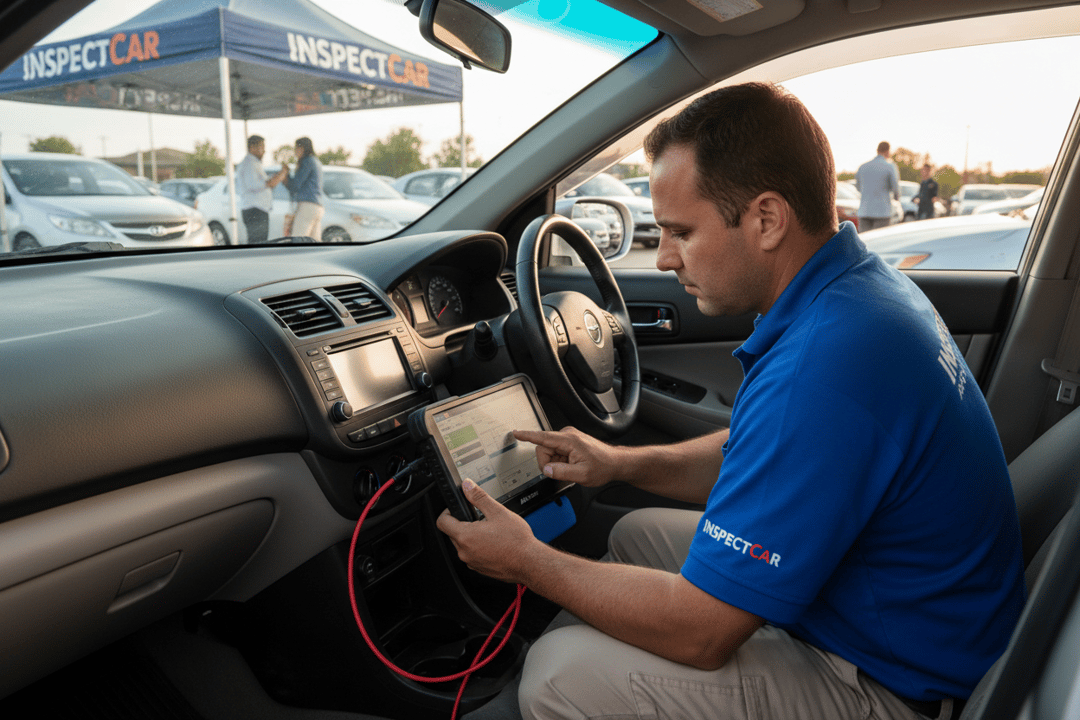
For a truly thorough assessment, a professional on-location inspection service is the most efficient option. This allows the vehicle to be evaluated in its natural environment without the risk of potential damage that occurs during a tow to a service center. A professional inspection covers over 410+ checkpoints across 25 categories, ensuring that no component is overlooked. This rigorous process provides a detailed report that highlights potential issues before they turn into expensive repairs or accidents.
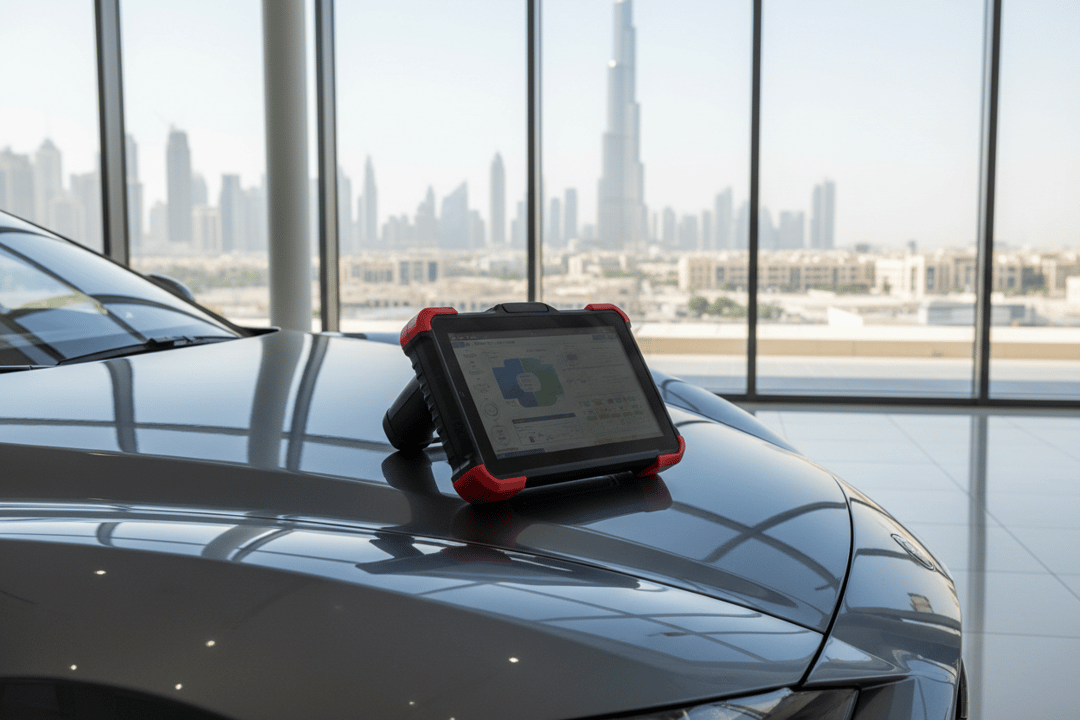
Service providers now offer convenient packages tailored to different needs. The Computer Diagnostic service is an affordable entry point, priced at AED 99, to check engine, transmission, ABS, and airbag codes. For those requiring a broader view of the vehicle's condition, the Body & Computer package is available for AED 250, combining external and internal mechanical checks. The most thorough option is the Comprehensive package at AED 299, which covers body, frame, engine performance, fluid levels, and a full road test.
Fluid Levels and Suspension Checks
Low fluid levels are a common precursor to breakdowns during the rainy season. Engine oil, coolant, and brake fluid must be at the correct levels to ensure the engine runs smoothly and the brakes function efficiently. Old or contaminated fluid loses its lubricating properties, leading to increased friction and heat. This heat can warp engine components or cause brake failure in wet conditions.
Suspension bushings and mounts also take a beating during the winter months. These rubber components degrade over time due to temperature changes and constant vibration. When a bushing fails, it allows metal parts to clatter against each other, creating noise and compromising the stability of the vehicle. A professional inspector listens to the engine and suspension during the road test to identify these sounds, ensuring the vehicle drives quietly and safely on uneven, wet roads.
Maintaining a vehicle during the UAE winter season is a technical necessity that goes beyond basic cleaning. The convergence of reduced visibility, hydroplaning risks, and compromised braking requires a vehicle that is in peak mechanical condition. Relying on professional expertise ensures that all 250+ inspection points are thoroughly evaluated.
AutoFay inspects 410+ checkpoints with HD photos and PDF report. Book at autofay.ae or call +971542584458

0 Comments
No comments yet. Be the first to share your thoughts!