
The automotive environment in the United Arab Emirates presents a unique set of challenges for vehicle longevity. The combination of extreme ambient temperatures, intense solar radiation, and high humidity accelerates the degradation of materials that remain functional in milder climates. Among the most vulnerable components are rubber seals and gaskets, which serve as the primary defense against dust, water, and engine pressurization. Understanding the mechanics of heat-induced rubber failure is essential for vehicle owners and prospective buyers to prevent costly repairs. This guide examines the critical role of these components and outlines the consequences of neglect.
The Mechanics of Heat Degradation in Rubber
Rubber is a polymer material that relies on flexibility to maintain its sealing function. In the UAE, the scorching summer temperatures can exceed 50 degrees Celsius on car surfaces, creating a hostile environment for organic polymers. The primary enemy here is thermal aging, which causes the rubber to lose its elasticity and become brittle. When rubber hardens, it can no longer contract or expand in response to temperature fluctuations without cracking. This process, known as oxidative degradation, is accelerated by Ultraviolet (UV) rays that penetrate the surface and break chemical bonds.
Thermal cycling further exacerbates the problem. A vehicle may experience temperatures of 60°C inside the cabin or engine bay during the day and drop significantly at night. This constant expansion and contraction creates stress fractures within the rubber matrix. Over time, these micro-cracks widen, compromising the integrity of the seal. Once a seal fails, the vehicle no longer possesses an effective barrier against the external elements.
Impact on Door and Window Seals
Door and window seals, often crafted from EPDM or neoprene, are designed to keep cabin air conditioned and free of dust intrusion. As these seals dry out due to heat exposure, they lose their ability to form an airtight contact with the bodywork or glass. The immediate consequence is a noticeable increase in wind noise at highway speeds, diminishing the vehicle's refinement. More critically, the seal failure allows environmental contaminants to enter the cabin.
Water ingress is a significant risk during the UAE's rainy season. If door seals crack, rainwater can pool in the door sills rather than draining away. This trapped moisture leads to rust formation on the floor pan and door jambs, compromising the structural integrity of the vehicle. Furthermore, unconditioned air entering the cabin forces the air conditioning system to work harder, reducing fuel efficiency and increasing engine load. A visual inspection should look for white chalky residue or deep fissures on the rubber surface.
Engine Compartment Vulnerabilities: Gaskets and Hoses
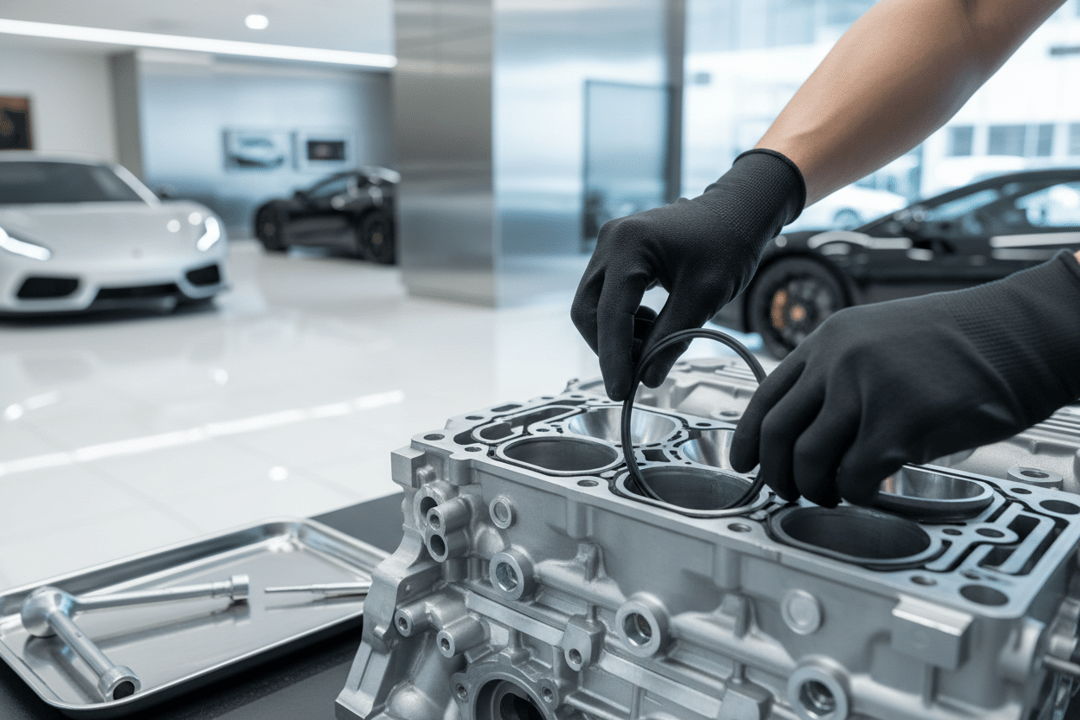
Inside the engine bay, the stakes are significantly higher. Engine gaskets act as the sealants between the engine block, cylinder head, oil pan, and various sensors. These components are subjected to extreme heat cycles and constant pressure. Common gaskets include the cylinder head gasket, valve cover gasket, and oil pan gasket. When these fail, they usually do so due to the thermal expansion of the metal flanges or the softening of the gasket material itself.
A failing head gasket is a significant failure point. It allows coolant to leak into the combustion chambers or oil to mix with coolant. The consequences include overheating, white smoke from the exhaust, and potentially a warped cylinder head that requires machine shop intervention. Similarly, a leaking valve cover gasket results in oil dripping onto hot engine components, increasing the risk of fire. While these repairs are not estimated here, the consequence of ignoring early signs—such as oil spots on the garage floor or a burning oil smell—is complete engine seizure.
Fluid Leaks and Cooling System Integrity
Heat also affects rubber hoses that transport coolant and power steering fluid. These hoses contain an inner rubber lining and an outer protective braid. If the inner rubber dries out due to heat, it can develop pinhole leaks. As coolant levels drop, the engine overheats, leading to thermal expansion of the aluminum engine block. This expansion can warp the cylinder head, creating a situation where the engine block and head cannot be aligned correctly, rendering the engine unrepairable.
- Visual Signs: Look for wet patches under the car or a sweet smell of coolant near the front of the engine.
- Texture Check: Squeeze the radiator and heater hoses. If they feel hard, brittle, or cracking on the outside, they must be replaced immediately.
- Pressure Test: A cooling system pressure test is the most accurate way to detect slow leaks that are not visible to the naked eye.
Pre-Purchase Inspection: Identifying Rubber Failures
For buyers in the UAE used car market, identifying the condition of rubber components is a critical aspect of the inspection process. A seller may hide cosmetic defects, but rubber failures are usually visible and functional. An inspection package that covers the body and engine is essential to assess the extent of wear.
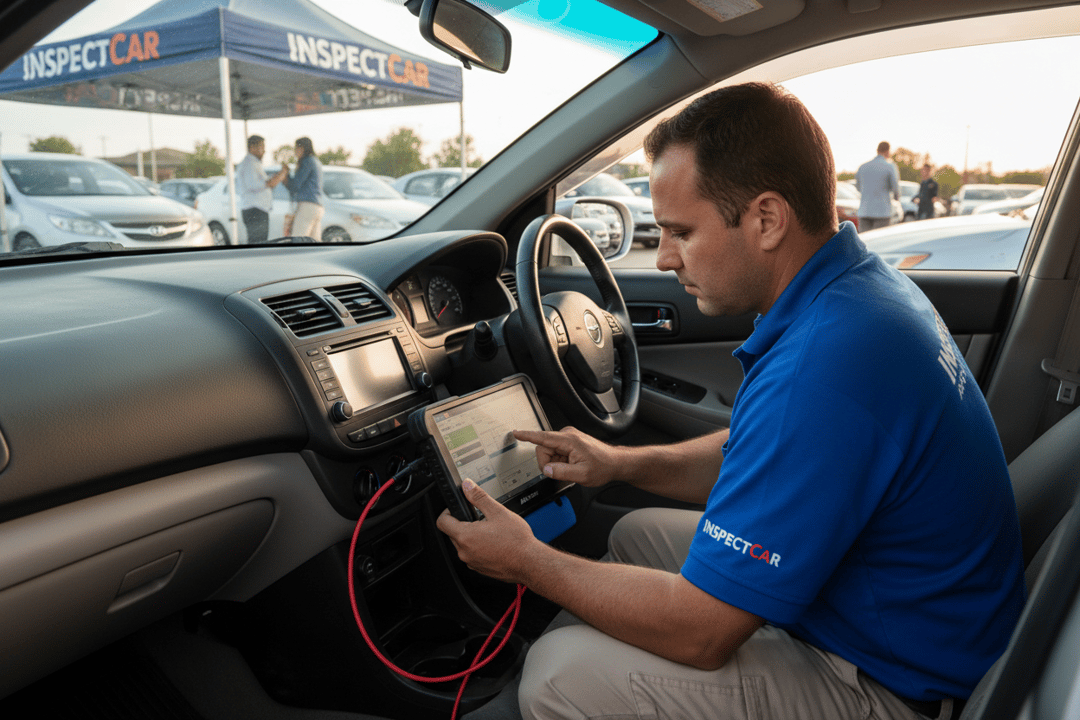
Professional inspectors analyze the Engine category for smoke color and sound, which can indicate internal gasket failure. They also evaluate the Body section to check for rust caused by water ingress from failed door seals. The Frame category is vital to ensure that corrosion has not eaten away at the structural pillars or floor pan due to leaked fluids.
Utilizing a comprehensive inspection service ensures that these issues are documented before the transaction. Without a professional assessment, a buyer might overlook a small crack in a window seal, only to face a rust inspection failure months later. Detailed reporting is the only way to protect against hidden degradation.
Service Packages for Peace of Mind
Vehicle owners should consider the cost of a professional diagnostic versus the risk of unexpected major repairs. A quick visual check cannot reveal internal engine gasket leaks or the extent of rust hidden beneath trim. A professional inspection provides a roadmap for necessary maintenance.
| Service Package | Key Inclusions | Target Need |
|---|---|---|
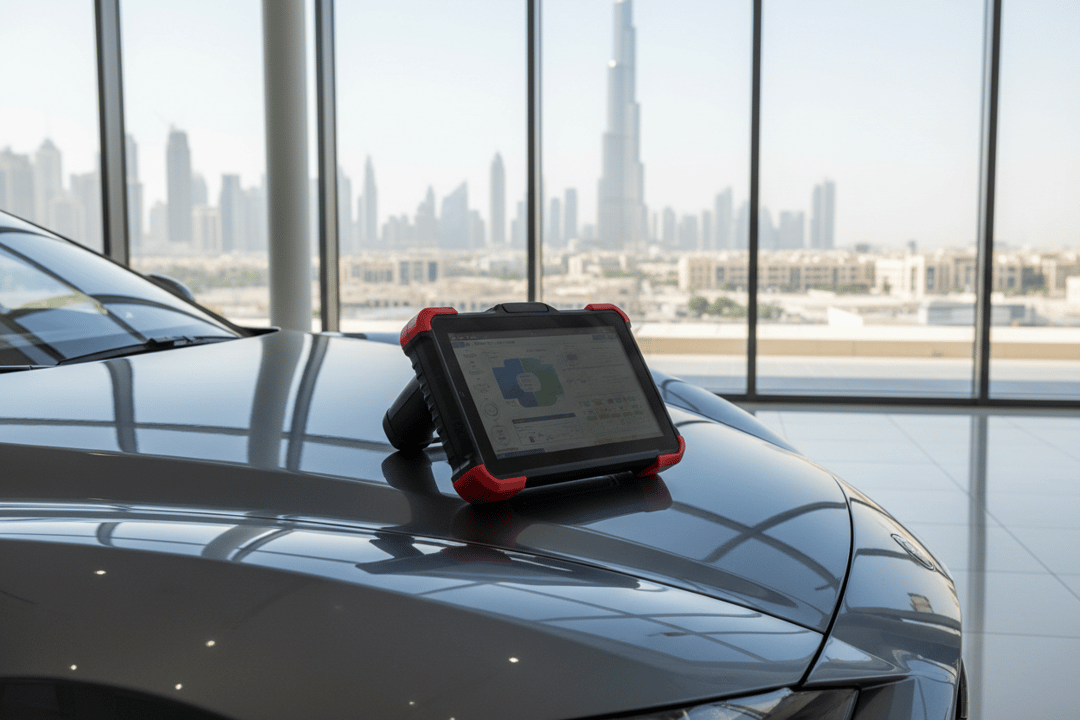
| Computer Diagnostic | Engine, transmission, ABS, airbag code scanning | Alerts to sensor faults related to cooling or engine performance |
| Body & Computer | Panel-by-panel inspection, OBD scan, frame check | Assesses body integrity and detects rust caused by water ingress |
| Comprehensive | 410+ checkpoints including engine, brakes, suspension, tires, fluids | Full vehicle health check including rubber component condition |
Preventative Maintenance Strategies
Prevention is always more cost-effective than repair. Owners should conduct regular physical inspections of their seals. The door and window rubber should be cleaned with mild soap and water to remove dust and grit that can abrade the surface. Applying a specialized rubber conditioner or silicone spray can replenish essential oils that the heat has extracted, restoring flexibility.
For engine gaskets, the integrity of the cooling system is paramount. Regularly checking the coolant reservoir level and condition ensures that the system is not over-pressurized. Owners should adhere strictly to the manufacturer's recommended service intervals for coolant flushes. Old coolant loses its anti-corrosive properties, which can lead to internal rust and increased pressure on gaskets.
- Inspect door seals for visible cracks or hardening every six months.
- Lubricate rubber weatherstripping with silicone spray to maintain elasticity.
- Monitor the engine bay for oil or coolant leaks during regular fill-ups.
- Invest in a pre-purchase inspection for any used vehicle to verify the condition of rubber components.
The automotive ecosystem in the UAE demands a proactive approach to maintenance. Rubber components are the unsung heroes of vehicle operation, silently absorbing shock and sealing critical systems. When they fail, the consequences cascade from minor inconveniences to major mechanical failures. By understanding the impact of heat and humidity, owners can take the necessary steps to preserve their vehicle's value and safety.
AutoFay inspects 410+ checkpoints with HD photos and PDF report. Book at autofay.ae or call +971542584458

0 Comments
No comments yet. Be the first to share your thoughts!