

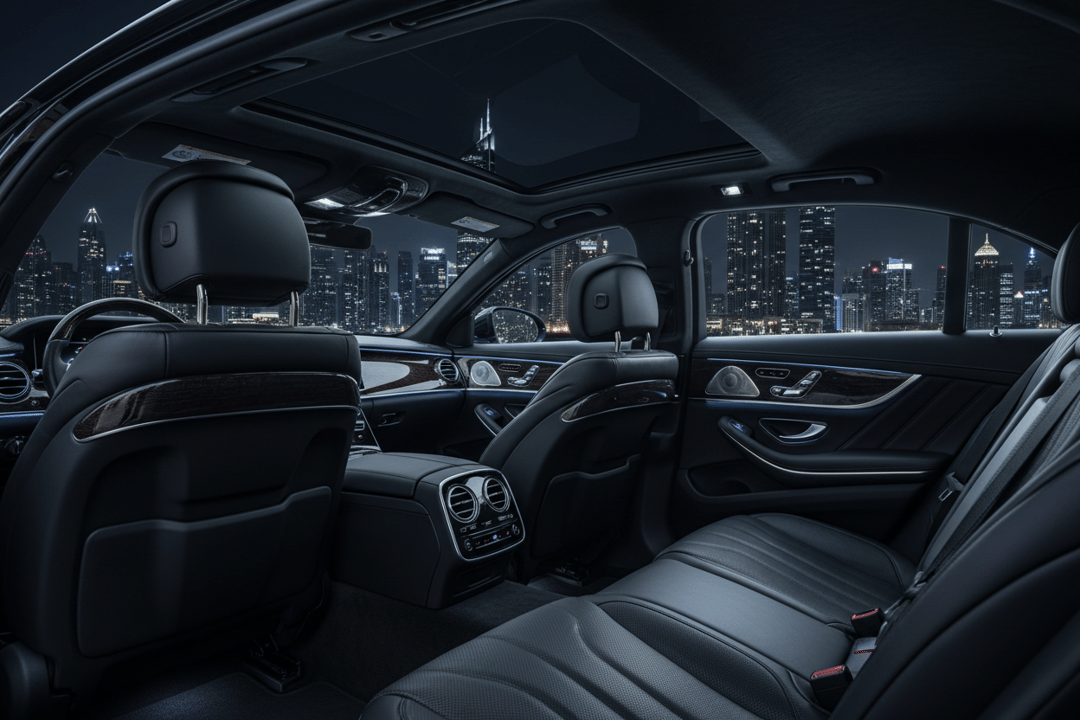
The interior of a vehicle serves as the primary living environment for the driver and passengers, yet it is frequently the most exposed component to environmental extremes. In the United Arab Emirates, where summer temperatures frequently exceed 45 degrees Celsius and UV radiation levels are exceptionally high, automotive interiors face a relentless assault from heat and light. This specific climatic context requires a deep understanding of material science and preventative maintenance to preserve vehicle longevity. Ignoring the degradation of interior elements leads to diminished aesthetics, compromised functionality, and a reduction in the vehicle's overall market value.
The Chemistry of Interior Degradation
The primary enemy of a car interior in the UAE is ultraviolet radiation, which initiates a chemical process known as oxidation. Plastics and vinyl contain polymers that, when exposed to UV light, break down at the molecular level. This breakdown transforms the surface from a durable, flexible material into a brittle state prone to cracking. Simultaneously, the intense heat accelerates the evaporation of natural oils and additives found in leather and synthetic fabrics, leading to a loss of elasticity and structural integrity.
Understanding the mechanism of damage is the first step toward mitigation. Rapid temperature fluctuations—characteristic of parking a hot car in the shade and then driving into the scorching sun—cause materials to expand and contract. Over time, this cyclical stress creates micro-fractures in surfaces, particularly on flexible dashboards and instrument panels. These microscopic tears are often invisible initially but widen rapidly with continued exposure, compromising the seal of the dashboard against the windshield and potentially creating safety hazards due to glare.
Dashboard and Hard Surface Vulnerabilities
The dashboard is the most significant surface area exposed to direct sunlight, making it the most susceptible to warping and cracking. Standard plastic materials, if not treated with UV inhibitors, will eventually fade to a chalky gray and develop a texture that feels rough to the touch. The consequences of neglecting dashboard protection extend beyond cosmetic appearance. A severely cracked dashboard can distort the reflection of the windshield, creating dangerous blind spots for the driver. Furthermore, cracks can harbor dust and moisture, which may eventually migrate into the electrical components behind the dashboard.
To preserve the dashboard, the application of a high-quality UV protectant spray is essential. These products form a barrier that reflects radiation before it penetrates the polymer matrix. However, protection is not a one-time event; it requires routine reapplication every few months. Additionally, interior window tinting is a critical preventative measure, as it significantly reduces the temperature inside the cabin and filters out the majority of harmful UV rays before they reach the interior surfaces.
Leather Preservation Strategies
Leather seats are a hallmark of luxury and comfort, but they possess a biological nature that demands specific care in arid environments. Unlike synthetic materials, leather contains natural oils that provide flexibility and resistance to tearing. In the UAE's low-humidity climate, these oils evaporate rapidly, leading to the leather drying out and becoming hard. Once leather loses its moisture content, it becomes susceptible to creasing and cracking, which permanently alters the seat's appearance and reduces its lifespan.
Owners must adopt a rigorous conditioning regimen to combat dehydration. A leather conditioner should be applied every three to four months to replenish lost lipids. It is vital to choose a conditioner specifically formulated for automotive use, as household products may contain waxes that cause the leather to become slippery or discolored. Furthermore, direct sunlight should be blocked whenever possible, as UV rays act as a bleaching agent, stripping the leather of its natural color and causing the material to become brittle and prone to shredding.
Electronic Vulnerabilities and Screen Damage
Modern vehicles rely heavily on central infotainment screens, digital clusters, and complex electronic control units to function. The extreme heat generated inside a parked vehicle can severely impact the performance of these components. Lithium-ion batteries, commonly found in infotainment systems, degrade faster at high temperatures, potentially leading to system failure or reduced battery life. Furthermore, the plastic bezels and screens themselves are vulnerable to heat distortion, resulting in warping that can affect the touch sensitivity of the display.
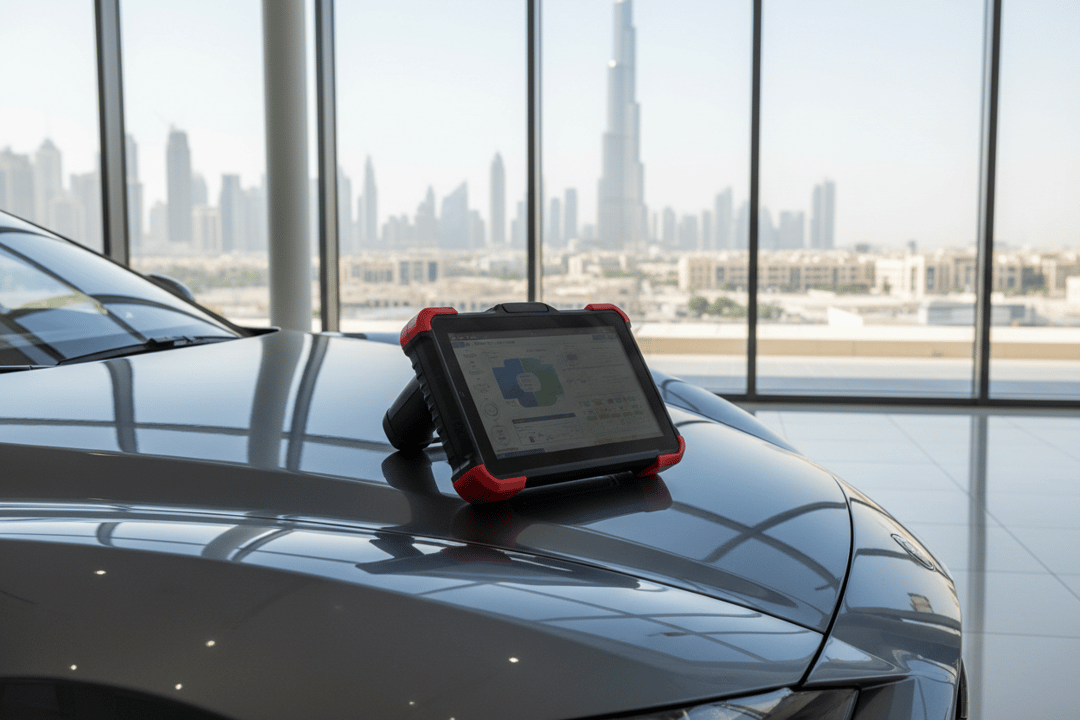
Electronic malfunctions resulting from heat stress are often intermittent and difficult to diagnose without specialized equipment. A failing screen may flicker or become unresponsive simply because the components are operating outside their thermal design parameters. To protect electronics, the vehicle's cooling system must be functioning correctly. This includes ensuring that the cabin air conditioning system is venting heat away from the dashboard area efficiently. Regular system checks are necessary to verify that the AC is maintaining the correct temperature and that all sensors are reporting accurate data.
The Necessity of Professional Inspection
While preventative maintenance is essential, understanding the current state of a vehicle's interior requires professional expertise. Wear and tear often hide behind cosmetic surfaces, and underlying structural issues can compromise the interior's integrity. For instance, a sunroof that leaks due to worn seals can cause water damage to the ceiling lining and electronic wiring, creating mold and electrical hazards. Identifying these issues requires a systematic approach rather than a visual inspection.
Professional inspection services provide a comprehensive evaluation of the vehicle's condition, separating cosmetic wear from functional failures. This is where a thorough assessment becomes invaluable for owners looking to maintain or acquire a vehicle in the UAE market. An expert inspection covers a wide range of categories, ensuring that no aspect of the vehicle's health is overlooked. A experienced inspector evaluates the vehicle across 25 distinct categories, analyzing everything from the structural frame to the functionality of electronic systems.
When considering the investment in vehicle health, inspection packages offer varying levels of depth. A Computer Diagnostic service is available for AED 99, focusing specifically on identifying error codes in the engine, transmission, ABS, and airbag systems. For a more holistic view, the Body & Computer package is priced at AED 250. This includes a panel-by-panel assessment of the body and paint to check for accident history, alongside a comprehensive engine OBD scan.
For the highest level of scrutiny, the Comprehensive package at AED 299 offers access to the full 250+ inspection checkpoints. This service provides a detailed report with HD photographs, covering the frame integrity, suspension, tires, and fluids. It is crucial to verify the manufacturing year and wear on tires, as well as the condition of fluids, which are vital for the cooling and lubrication systems that protect the interior from overheating.
| Service Package | Price (AED) | Key Evaluation Points |
|---|---|---|
| Computer Diagnostic | 99 | Engine, Transmission, ABS, Airbag codes; OBD scan functionality |
| Body & Computer | 250 | Panel-by-panel paint/body check (original/repainted/repaired); Frame, pillars, floor pan; Engine sound and mounts; Smoke color analysis; OBD scan |
| Comprehensive | 399 | 410+ checkpoints across 25 categories; Includes all above plus Brakes, Suspension, Tires, Fluids, and Road Test (acceleration, braking, noise, vibration) |
Operational Maintenance and Ventilation
Operational habits play a significant role in interior preservation. Before starting the vehicle, owners should crack the windows or use the remote start feature to allow hot air to escape. This reduces the load on the air conditioning system and prevents the immediate ignition of odors trapped in the upholstery. Using a portable fan to circulate air while the vehicle is stationary can also lower the cabin temperature more effectively than simply cracking the windows.
The selection of cleaning products is another critical factor. Harsh chemical cleaners can strip the protective coatings from dashboard surfaces and leather, accelerating the aging process. It is advisable to use pH-neutral cleaners specifically designed for automotive interiors. These products clean effectively without damaging the UV inhibitors or the natural oils in the leather. Regular vacuuming is also necessary to remove abrasive particles that can scratch surfaces during cleaning.
Ultimately, the longevity of a vehicle's interior in the UAE climate is a combination of material selection, consistent maintenance, and professional oversight. By understanding the impact of heat and UV radiation, owners can implement effective preventative strategies. However, regular professional inspections remain the most reliable method for ensuring that the vehicle's mechanical systems are supporting the interior and not contributing to its decline.
AutoFay inspects 410+ checkpoints with HD photos and PDF report. Book at autofay.ae or call +971542584458


0 Comments
No comments yet. Be the first to share your thoughts!