

The relentless heat of the United Arab Emirates creates a hostile environment for automotive electronics and chemical components, particularly the lead-acid cells that power a vehicle’s starting system. In this climate, a car battery rarely succumbs to cold weather; instead, it suffers from thermal stress that accelerates the evaporation of electrolyte fluid and the degradation of internal plates. Understanding the mechanics of failure is the first step toward prevention, yet most drivers remain unaware of the subtle signs of electrical decline until they are stranded. A battery dying after eighteen months is not uncommon in the region, but it is symptomatic of underlying environmental factors that can be mitigated through proper knowledge and professional assessment.
The Thermal Stress Phenomenon
Unlike temperate climates where batteries struggle to turn over a cold engine, the primary enemy in the UAE is excessive heat. When a vehicle operates in temperatures exceeding 40 degrees Celsius for prolonged periods, the chemical reaction inside the battery accelerates, leading to higher internal temperatures that cause the water and sulfuric acid mixture (electrolyte) to boil off. Once the water level drops below the top of the lead plates, the battery is permanently damaged. This thermal depletion reduces the surface area available for chemical reaction, drastically lowering the voltage output required to crank the starter motor.
Furthermore, heat accelerates the process of sulfation, where lead sulfate crystals form on the battery plates and harden over time. A healthy battery recharges these crystals during operation, but in a hot environment, the cycle is interrupted by voltage drops caused by high ambient temperatures. This results in a battery that reads "good" on a basic multimeter but fails to deliver the necessary surge of power during ignition. Recognizing that heat is the primary kill mechanism allows owners to prioritize cooling and ventilation for their vehicle's engine bay.
Chemistry Matters: Flooded Lead-Acid vs. AGM
The type of battery installed in a vehicle dictates its tolerance for heat and its overall lifespan. The two most common configurations found in the UAE are flooded lead-acid batteries and Absorbent Glass Mat (AGM) batteries.
- Flooded Lead-Acid: This traditional battery uses liquid electrolyte and requires periodic maintenance to check water levels. In the UAE, the rapid evaporation of this liquid makes flooded batteries the most susceptible to premature failure. If the water level is not topped up regularly, the battery plates are exposed to air, leading to corrosion and immediate failure.
- AGM (Absorbent Glass Mat): These batteries are valve-regulated and use a fibrous glass mat to hold the electrolyte rather than a liquid reservoir. This design makes them spill-proof and highly resistant to vibration and heat. AGM batteries are increasingly common in modern vehicles equipped with start-stop technology, as they can handle the frequent recharging cycles required by the system.
Selecting the correct battery type is critical; installing a flooded battery in a car designed for AGM will result in failure regardless of the battery's brand. AGM batteries typically offer a longer service life in extreme heat due to their sealed construction, but they are significantly more expensive to replace. Understanding which chemistry your vehicle uses helps in estimating the cost of ownership and the potential need for premium replacements.
CCA Testing and Electrical Health
While heat kills batteries, Cold Cranking Amps (CCA) remain a crucial specification to understand, even in a hot climate. CCA refers to the amount of current a battery can deliver for 30 seconds at 0 degrees Fahrenheit while maintaining a voltage high enough to keep the engine running. Although the UAE rarely sees freezing temperatures, a battery with high CCA ratings ensures that there is ample reserve power to overcome the increased resistance caused by thick lubricants in hot engines or the immense load placed on the electrical system by air conditioning.
Modern vehicles place a heavy electrical load on the battery, particularly when the engine is off. Electronics such as infotainment systems, GPS trackers, and alarm systems can draw power continuously, creating a parasitic drain that weakens the battery over time. Professional diagnostics are essential to identify these drains before they cause a failure. A basic visual inspection is often insufficient, as internal shorts or voltage regulators in the alternator can damage a battery without external signs of corrosion.
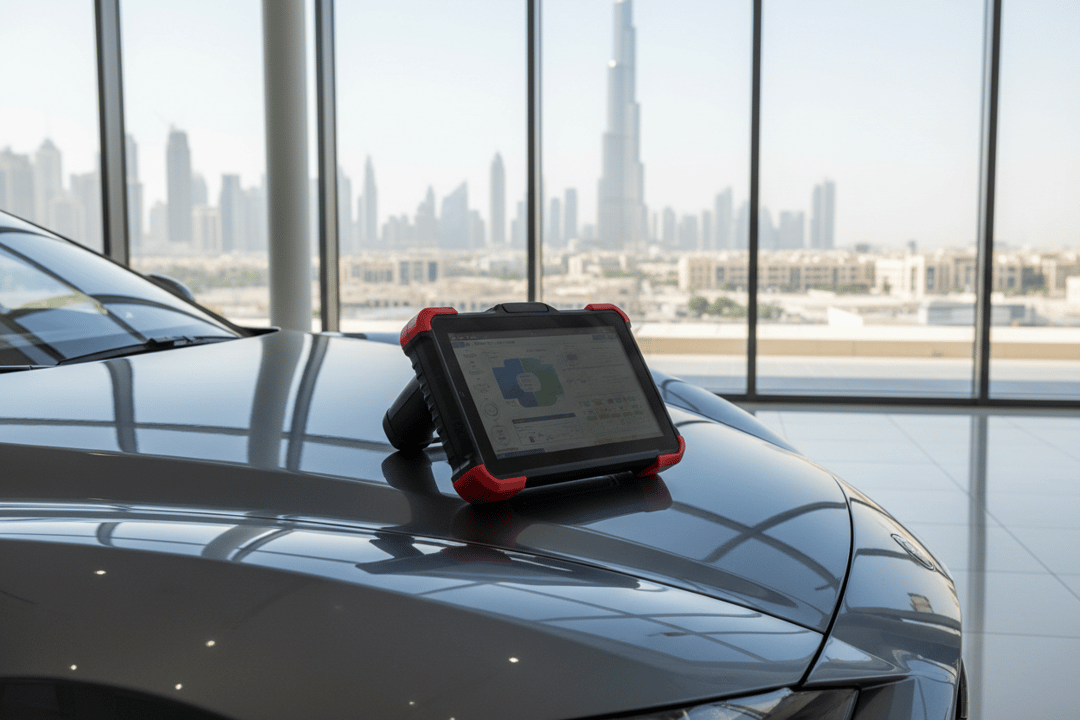
Implementing a diagnostic check can save significant costs associated with repeated replacements. For instance, identifying a failing alternator that is not charging the battery correctly prevents the new battery from being drained within weeks. A professional inspection service can scan for error codes that indicate electrical faults, ensuring that the battery is not the only component being replaced.
Maintenance Habits for Extreme Heat
Proactive maintenance is the most effective way to extend the life of a battery in the UAE. The most common cause of battery failure is not the battery itself, but the corrosion of its terminals. When battery acid vapor escapes and reacts with the metal connectors, it creates a resistive barrier that prevents electricity from flowing efficiently. Inspecting the battery tray and cleaning off white or blue powdery residue from the connections with a wire brush and baking soda solution restores the electrical path and prevents voltage drops during startup.
Another critical habit is the management of electrical load during startup. In the heat, the air conditioning system puts a significant strain on the electrical system. Turning off the air conditioning and the radio before attempting to start the vehicle ensures that the maximum amount of power is directed to the starter motor. Additionally, parking the vehicle under shade or using a car cover prevents the battery casing from overheating, preserving the internal chemical balance.
- Terminal Cleaning: Regularly clean corrosion to ensure maximum conductivity.
- Load Management: Turn off non-essential electronics before starting the engine.
- Environment Control: Park in shaded areas to reduce thermal stress on the battery casing.
- Fluid Check: If using a flooded battery, check water levels every six months.
Professional Inspection as a Prevention Strategy
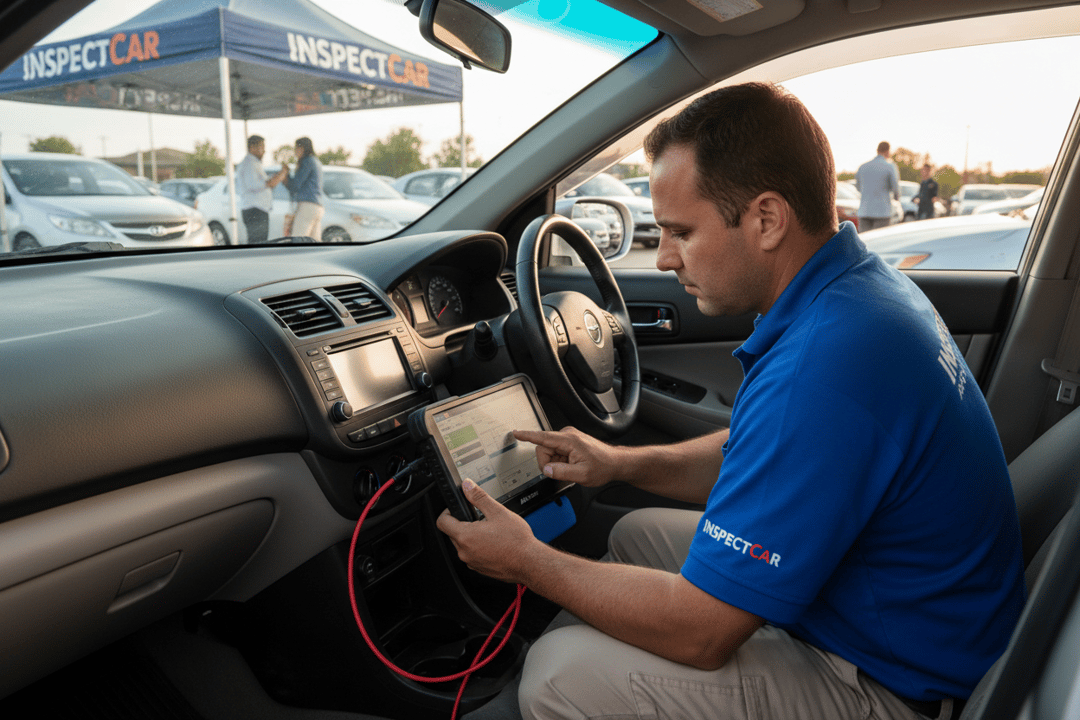
Even with meticulous maintenance, batteries can fail silently. A dead battery is often just the symptom of a larger electrical issue or a battery that has internally degraded beyond recovery. This is where a comprehensive vehicle inspection becomes invaluable. A professional service can verify the battery's physical condition, test its capacity, and scan the vehicle's onboard computer for electrical faults that are not immediately visible to the naked eye.
Reliability is paramount for vehicle owners, and understanding the true condition of all components is essential. A standard visual inspection might miss a hairline crack in the battery casing or a failing cell. A detailed inspection covers the vehicle's health holistically, from the engine's sound and mounts to the braking system and tires, providing a complete picture of the vehicle's operational status.
Investing in a professional inspection can prevent the inconvenience of a breakdown and the potential safety risks associated with a failing vehicle. It ensures that the decision to replace a battery is based on factual data rather than guesswork. By verifying that the electrical system is delivering power correctly, owners can avoid the cycle of buying, installing, and destroying new batteries due to underlying system faults.
| Inspection Package | Price (AED) | Key Inclusions |
|---|---|---|
| Computer Diagnostic | 99 | Engine, Transmission, ABS, SRS Codes scan |
| Body & Computer | 250 | Panel-by-panel paint check + OBD scan |
| Comprehensive | 399 | 410+ checkpoints: Body, Frame, Engine, Brakes, Suspension, Road Test |
For those seeking to understand the full scope of their vehicle's health, a comprehensive inspection provides the necessary detail to make informed decisions about repairs and maintenance. This level of scrutiny ensures that no component, from the battery to the frame, is overlooked.
AutoFay inspects 410+ checkpoints with HD photos and PDF report. Book at autofay.ae or call +971542584458



0 Comments
No comments yet. Be the first to share your thoughts!