


The intense heat of the United Arab Emirates climate places unique stress on sedan vehicles, accelerating wear and tear in ways that temperate climates rarely replicate. The scorching asphalt, combined with saline air and high ambient temperatures, demands a maintenance schedule that is more rigorous than standard manufacturer recommendations. Sedans, with their aerodynamic profiles and closed-loop cooling systems, are particularly susceptible to thermal runaway and abrasive damage. To ensure longevity and reliability in the region, owners must understand the specific intervals required for fluid changes and the distinct wear patterns that manifest under these harsh conditions.
The Critical Importance of Engine Oil and Coolant
Engine oil in the UAE does not last as long as it does in cooler climates. The ambient heat, combined with the friction generated by stop-and-go traffic in the Emirates, causes oil to break down rapidly. When oil degrades, its ability to lubricate engine components diminishes, leading to increased friction and potential metal-on-metal contact. This accelerates engine wear and can ultimately result in catastrophic engine failure if not addressed promptly.
Similarly, the cooling system faces immense pressure. Coolant reservoirs in sedans can reach boiling points much faster under the UAE sun, leading to vapor pockets that prevent effective heat transfer. If the cooling system fails, the engine temperature rises unchecked, risking a blown head gasket or warped cylinder head. Regularly checking coolant levels and ensuring the radiator is free of debris is non-negotiable for safety and engine preservation.
Brake System Degradation in High Heat
Brake components endure extreme thermal stress every time a vehicle is brought to a stop. The friction from braking generates temperatures that can exceed 500 degrees Celsius. In the UAE, this heat is compounded by the presence of sand and dust, which can get trapped in brake calipers and pads. This abrasive dust causes brake rotors to glaze over, reducing their effectiveness and leading to longer stopping distances.
Furthermore, heat causes brake fluid to boil. Brake fluid is hygroscopic, meaning it absorbs moisture over time, and as it absorbs heat, the moisture turns to steam. Steam is compressible, meaning the brake pedal can feel spongy or lose pressure. This compromises the safety of the vehicle, making immediate inspection of brake pads and rotors essential to prevent brake fade during heavy traffic or highway driving.
Fluid Condition and Filter Health
Transmission fluid is the lifeblood of an automatic sedan’s gear shifting mechanism. High temperatures in the UAE cause transmission fluid to oxidize much faster than in cooler regions. Oxidized fluid loses its viscosity, becoming thinner and less able to prevent metal-to-metal wear inside the transmission. A transmission failure is one of the most expensive mechanical repairs a sedan owner can face, often costing thousands of dirhams to overhaul or replace.
AC systems also require rigorous attention. The high heat forces the AC compressor to work harder, leading to faster depletion of refrigerant gas and oil. Over time, the rubber seals in the AC system degrade due to constant expansion and contraction from temperature cycling. If not serviced annually, this can lead to leaks, reduced cooling efficiency, and potential compressor failure.
Identifying Wear Patterns: What Inspectors Look For
Sedans in the UAE develop specific wear patterns that are visible during a thorough inspection. One common issue is the degradation of the "frame rails" and floor pans due to the abrasive nature of sand and salt on the roads. Rust and corrosion can set in quickly on the undercarriage, compromising the structural integrity of the vehicle.
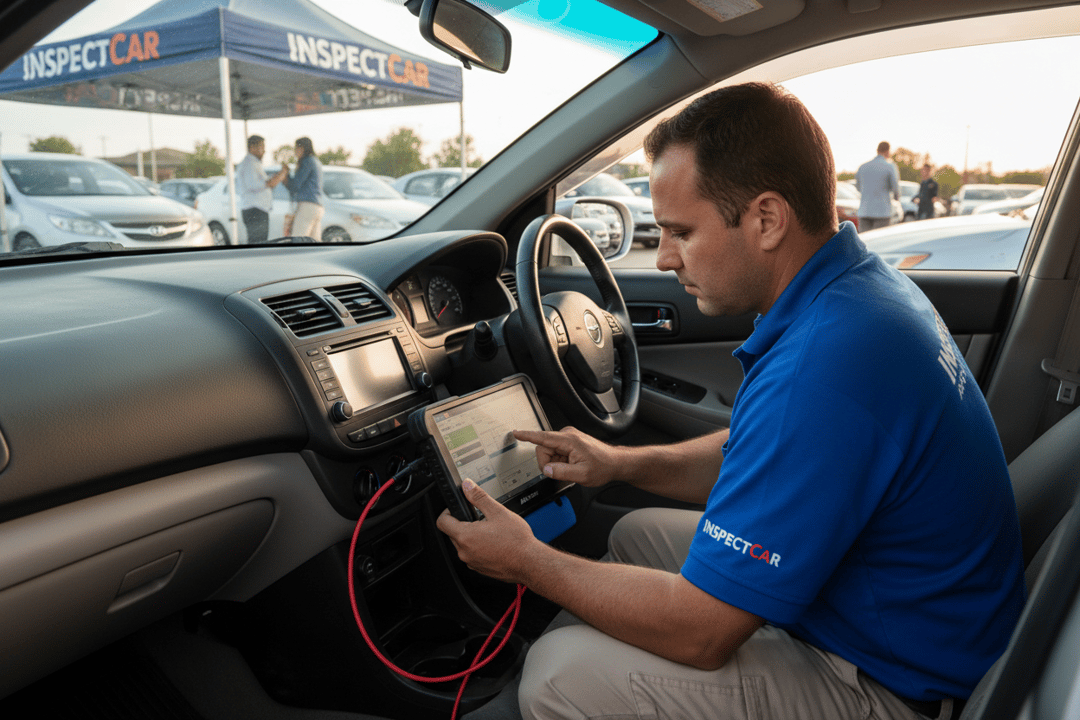
Additionally, the dashboard warning lights are a critical indicator of wear. Sedans are equipped with complex sensors that monitor fluid levels, tire pressure, and emissions. Ignoring a "Check Engine" light or an ABS warning light can mask underlying issues in the engine, transmission, or braking system. These lights often illuminate only after the damage has begun, necessitating a professional diagnosis to determine the root cause.
Leveraging Professional Inspection Packages
Visual inspections by the owner are often insufficient to catch the subtleties of wear caused by the UAE climate. Professional inspection services provide a systematic evaluation of vehicle health. For sedans, a comprehensive approach is best, as it covers the mechanical, electrical, and structural aspects of the car.
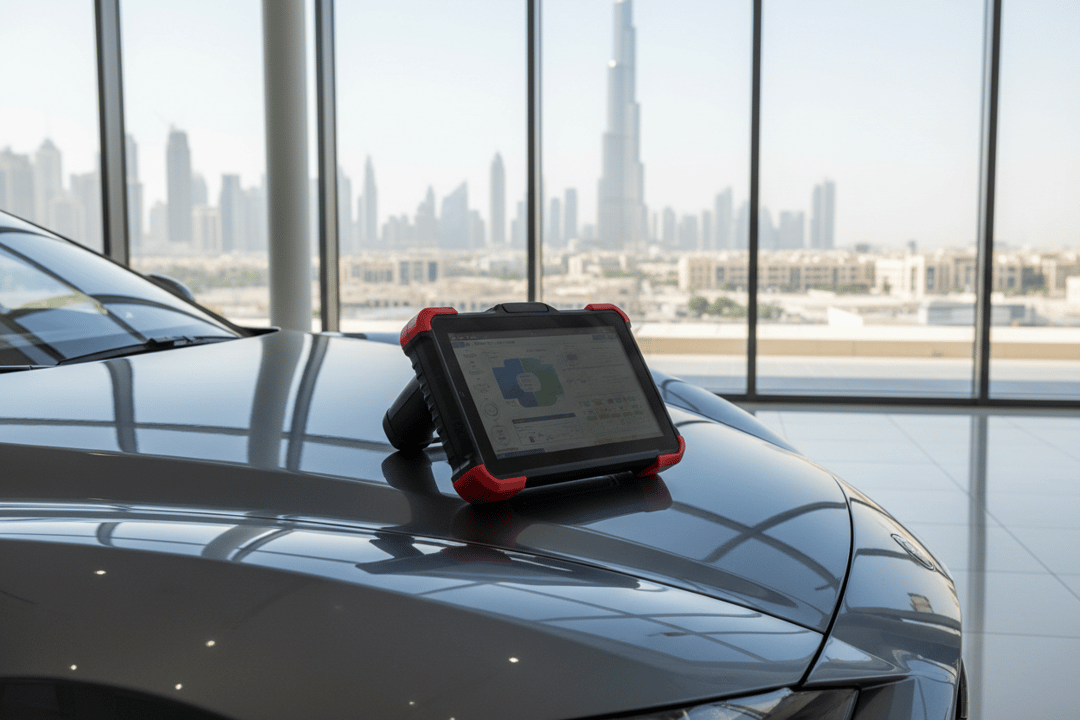
Understanding the specific services offered helps owners budget for preventative maintenance. A **Computer Diagnostic** scan is the first step in identifying electronic faults in the engine, transmission, ABS, or airbag systems. This service is priced at AED 99.
- Body & Computer AED 250: This package expands the diagnostic capability to include a visual assessment of the body and paint. Inspectors look for panel-by-panel defects, checking for original paint versus repairs, which can indicate previous accident damage or harsh environmental exposure.
- Comprehensive AED 299: This is the most robust option for sedans, covering 410+ checkpoints across 25 categories. It includes a detailed road test to check for noise, vibration, and harshness (NVH), ensuring the vehicle drives as smoothly as it looks. It evaluates everything from frame alignment to tire manufacturing dates and wear patterns.
Maintenance Schedule for UAE Conditions
Adhering to a strict maintenance schedule is the only defense against the harsh environment. The following table outlines recommended service intervals tailored for sedans operating in the UAE climate:
| Service Component | Recommended Interval | Consequence of Delay |
|---|---|---|
| Engine Oil & Filter | 5,000 – higher mileage or 3 months | Increased engine friction, rapid wear on internal components. |
| Coolant Flush | 2 years or higher mileage | Overheating risk, corrosion within the radiator and engine block. |
| Brake Fluid Flush | 2 years | Spongy brake pedal, potential brake failure due to boiling fluid. |
| Transmission Service | 40,000 – higher mileage | Slipping gears, delayed shifting, eventual transmission failure. |
| AC Gas & Service | 12 months | Ineffective cooling, high fuel consumption, compressor damage. |
Owners must prioritize these intervals over manufacturer guidelines derived for milder climates. Neglecting these services in favor of cosmetic repairs or minor upgrades will invariably lead to higher costs associated with major component replacement.
For a detailed evaluation of your sedan's condition, it is advisable to utilize professional on-location inspection services. These services bring the inspection to the vehicle, allowing for a thorough assessment without the need to transport the car to a service center, which adds wear and tear. An inspection provides a clear picture of the vehicle's health, highlighting immediate maintenance needs.
AutoFay inspects 410+ checkpoints with HD photos and PDF report. Book at autofay.ae or call +971542584458


0 Comments
No comments yet. Be the first to share your thoughts!