
The UAE environment presents a unique set of challenges for utility vehicles, characterized by harsh UV radiation, extreme ambient temperatures, and abrasive sand. For pickup truck owners and operators, adhering to a strict maintenance schedule is not merely a recommendation; it is an operational necessity. The intense heat accelerates chemical breakdowns in fluids and physical fatigue in mechanical components. Understanding these specific degradation patterns allows owners to anticipate failures before they result in costly downtime. This guide outlines the critical service intervals and wear patterns specific to the Middle Eastern climate, ensuring your vehicle remains reliable under pressure.
Engine Health and Cooling System Integrity
The engine is the heart of any pickup truck, and in the UAE, it faces a relentless thermal assault. High ambient temperatures cause engine oil to oxidize rapidly, reducing its ability to lubricate and protect internal bearings. This oxidation leads to the formation of sludge, which can clog oil passages and cause catastrophic engine scuffing if not addressed. Consequently, oil change intervals must be significantly shorter than those recommended for temperate climates. Neglecting oil changes in high heat results in reduced fuel efficiency and increased wear on piston rings and crankshafts.
The cooling system is equally critical. As temperatures rise, the boiling point of coolant decreases, making the engine more susceptible to overheating during idle conditions. A breach in the cooling system may not always be visible, which is why routine monitoring is essential. A failure in this system leads to a blown head gasket or warped cylinder heads, requiring extensive engine replacement. Regularly checking the radiator hoses and pressure caps ensures the pressurization system remains effective against the high thermal loads placed on the engine block.
Transmission and Differential Fluid Maintenance
Transmissions and differentials in pickups endure extreme stress due to the vehicle's weight and the frequent towing or off-road usage common in the region. Automatic Transmission Fluid (ATF) breaks down rapidly when exposed to the excessive heat generated by stop-and-go traffic or heavy loads. The high viscosity of the fluid can turn into a varnish-like substance, causing clutches to stick and transmission shifts to become sluggish or erratic. Replacing the ATF at the manufacturer's recommended intervals prevents internal wear and preserves smooth gear operation.
Similarly, the differential fluid faces high temperatures due to the tight gear tolerances required to transfer torque. In the UAE, where sand and dust are prevalent, particles can enter the differential housing and act as an abrasive agent. This abrasive action grinds the ring and pinion gears together, leading to a whining noise or metal shavings in the fluid. A neglected differential can seize completely during a drive, leaving the vehicle immobile. Regular fluid changes flush out contaminants and ensure the lubricant retains its viscosity under heavy load.
- Fluid Degradation Signs: Dark, burnt-smelling oil or ATF indicates the fluid has exceeded its thermal limit and must be replaced immediately.
- Moisture Buildup: Heat causes condensation to form within fluid reservoirs. Moisture lowers the boiling point of the fluid, increasing the risk of vapor lock and brake failure.
Brake System Performance in High Heat
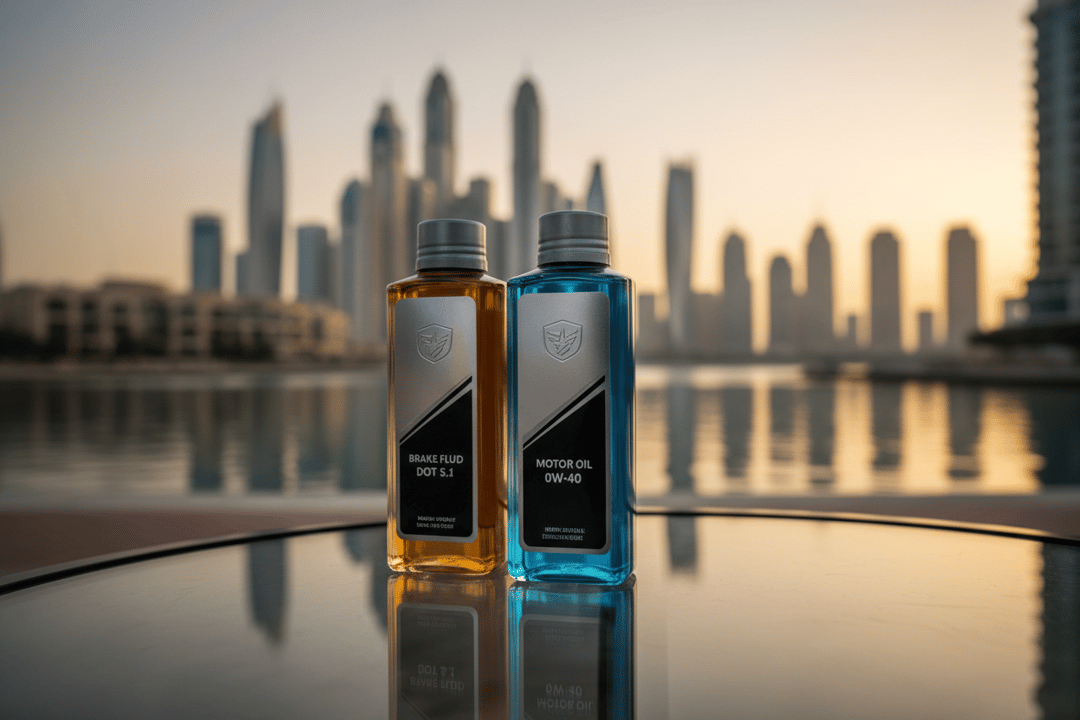
Brake components generate immense heat during operation, and this heat is amplified in the UAE due to friction against hot asphalt. Brake fluid is hygroscopic, meaning it absorbs moisture from the air. In the harsh desert climate, this absorption occurs much faster. Once the brake fluid absorbs moisture, its boiling point drops significantly. Under heavy braking, the fluid can boil, turning into steam. This creates air pockets in the brake lines, resulting in a spongy pedal feel and a complete loss of braking power, a phenomenon known as brake fade.
Furthermore, the intense heat cycles cause brake rotors to expand and contract, leading to warping. This warping creates vibrations in the steering wheel during braking and reduces the contact patch of the brake pads. Over time, the high thermal stress can cause brake lines to crack or rotors to crack. Replacing brake fluid at least once a year is necessary to ensure the hydraulic pressure remains consistent regardless of external temperatures. Additionally, selecting high-quality brake pads designed for high-temperature applications prevents excessive heat transfer to the wheel hubs.
Fluid Change Schedule for UAE Climate
Standard maintenance schedules often fail to account for the accelerated degradation rates in the Middle East. The following table outlines recommended fluid change intervals specifically adjusted for the high-heat environment of the UAE.
| Fluid Component | Standard Interval | UAE Climate Adjustment |
|---|---|---|
| Engine Oil | 5,000 - 7,500 miles | Change every 3,000 - 4,000 miles to combat oxidation and sludge buildup. |
| Coolant (Anti-Freeze) | 2 years or 30,000 miles | Change annually to maintain boiling point and prevent radiator corrosion. |
| Automatic Transmission Fluid | 30,000 - 60,000 miles | Change every 20,000 miles to prevent varnish and clutch slippage under heat. |
| Brake Fluid | 2 years | Change annually to restore boiling point lost through moisture absorption. |
| Differential Fluid | 30,000 - 60,000 miles | Change every 25,000 miles to remove abrasive sand particles and heat debris. |
Suspension and Undercarriage Wear Patterns
The suspension system of a pickup truck is designed to carry heavy loads and absorb impacts, but the UAE terrain introduces unique stressors. Constant exposure to road salt and humidity in coastal areas accelerates the corrosion of the chassis and frame. Even in inland areas, the combination of heat and dust can lead to the drying out and cracking of rubber suspension bushings. A brittle bushing fails to absorb vibrations, leading to a harsh ride and increased stress on the shock absorbers and ball joints.
Uneven tire wear is another common indicator of suspension health. In high heat, tires can become over-inflated if the pressure is checked when cold, leading to center wear. However, if the suspension is worn, the tires may experience "cupping" or "scalloping," which is characterized by a series of dips on the edge of the tread. This noise is often described as a hollow thumping sound and signifies that the shock absorbers are no longer controlling the tire's movement effectively. Regular inspection of the frame rails and suspension components is vital to prevent structural failure.
The Role of Professional Inspection
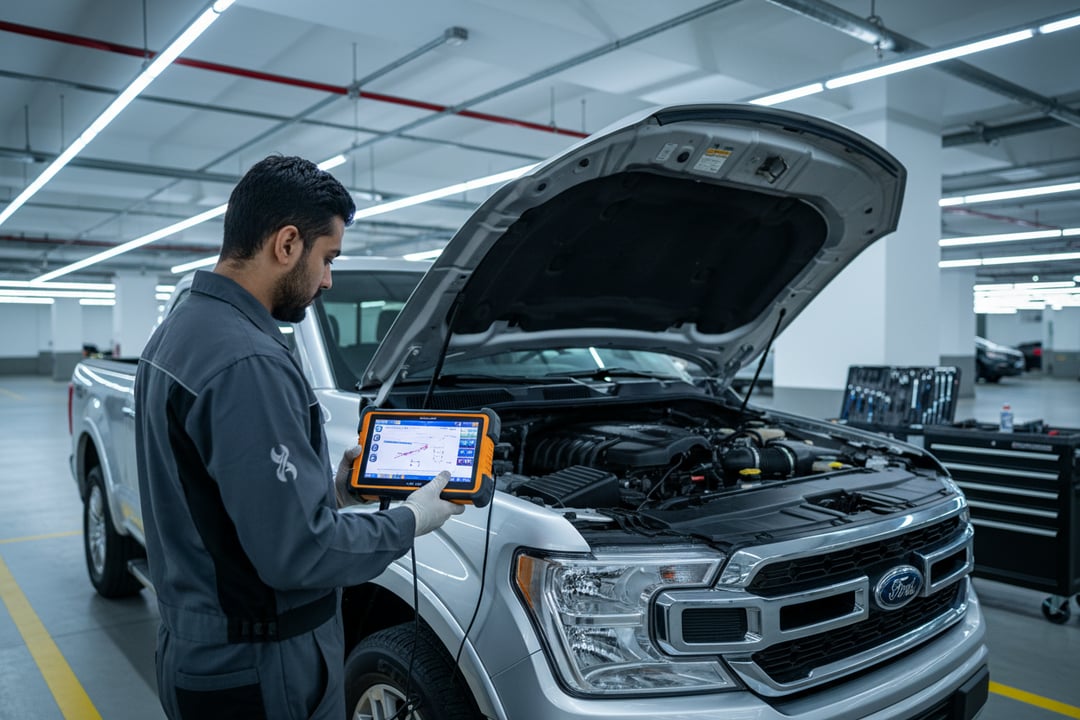
While routine maintenance is preventative, professional vehicle inspections are diagnostic and confirmatory. Many issues, such as early-stage engine knocking or transmission slippage, are not visible to the naked eye. Utilizing a specialized inspection service ensures that every component is scrutinized for hidden defects. A comprehensive inspection covers 25 distinct categories, ranging from the engine bay to the bodywork, ensuring a holistic view of the vehicle's condition.
On-location inspection services offer the convenience of having a experienced inspector evaluate the vehicle at your location. This service is particularly valuable for pre-purchase inspections or routine maintenance verification. By utilizing a platform like AutoFay, owners can access detailed reports that highlight specific wear points. A Computer Diagnostic AED 99 scan can uncover hidden OBD codes related to engine or transmission performance that standard visual checks miss. For a more thorough analysis, a Body & Computer AED 250 inspection provides a panel-by-panel assessment of the body and a deeper dive into the electronic systems. For the highest level of scrutiny, the Comprehensive AED 299 package offers an exhaustive evaluation of 410+ checkpoints, including frame integrity, suspension health, and tire manufacturing date to ensure the vehicle meets all safety standards.
Conclusion
Managing a pickup truck in the UAE requires a proactive approach to maintenance, acknowledging that the environment shortens the lifespan of fluids and components. By adhering to the accelerated service intervals outlined above and utilizing professional inspection services, owners can mitigate the risks of heat-related failures. Understanding the consequences of neglect—such as brake fade, engine sludge, or suspension corrosion—ensures that the vehicle remains a capable tool for work and leisure. Regular maintenance is an investment in longevity and safety.
AutoFay inspects 410+ checkpoints with HD photos and PDF report. Book at autofay.ae or call +971542584458




0 Comments
No comments yet. Be the first to share your thoughts!