

The relentless sun and high humidity of the United Arab Emirates present a unique set of challenges for vehicle owners, particularly when operating large family transporters like minivans. Unlike standard sedans, minivans carry significant weight and generate higher levels of stress on powertrain components due to their size. The extreme thermal environment in the Emirates accelerates the chemical breakdown of fluids and the physical degradation of rubber components. Proper maintenance in this climate requires a different approach than what is recommended in temperate regions, focusing heavily on cooling efficiency and fluid preservation.
The UAE Heat Factor on Minivan Mechanics
Thermal stress is the primary enemy of any vehicle operating in the Gulf region. High ambient temperatures cause engine oil to thin out faster, reducing its ability to form a protective film between moving parts. This leads to increased friction and potential metal-on-metal contact, which significantly shortens engine life. Furthermore, the intense heat causes rubber hoses and seals to harden and crack, leading to slow leaks that can go unnoticed until a critical component fails.
For minivans, the added load of passengers and cargo exacerbates this thermal stress. The transmission works harder to move heavier loads, generating more heat than in a standard passenger car. This heat buildup can degrade transmission fluid rapidly, leading to clutch slippage and rough shifting. The cabin environment also creates a high-humidity microclimate that stresses the air conditioning system, forcing the engine to work harder and reducing overall fuel efficiency.
Engine and Transmission Fluid Management
Engine oil viscosity is critical in high-heat environments. Manufacturers often recommend thicker oils in hot climates to prevent oil burn-off at high temperatures. Neglecting oil changes leads to sludge buildup, which can clog oil passages and starve the engine of lubrication. The consequences of this neglect are catastrophic engine failure, which is far more expensive and time-consuming to repair than routine maintenance.
Transmission fluid serves a dual purpose of lubrication and cooling. In the UAE climate, transmission fluid can overheat and lose its additive capacity, resulting in the transmission slipping or hesitating during acceleration. Regularly inspecting the transmission dipstick or dip tube for discolored fluid is essential. If the fluid smells burnt or looks dark brown instead of bright red, the transmission is under stress and requires immediate attention to prevent total gearbox failure.
Cooling System and Air Conditioning Efficiency
The cooling system is the most critical component for survival in the UAE heat. Radiators in this region are constantly exposed to dust, sand, and saline air, which can clog the fins and reduce heat transfer efficiency. A compromised radiator cannot dissipate the heat generated by a minivan’s larger engine, leading to overheating. Overheating can warp cylinder heads and blow head gaskets, causing extensive internal engine damage.
Equally important is the air conditioning system. The compressor is a significant load on the engine, and when it fails to cool the cabin effectively, the engine must work harder to maintain temperature, increasing fuel consumption. The desiccant in the receiver drier absorbs moisture; over time, it saturates and fails to remove humidity from the system, leading to mold growth and reduced cooling capacity. Inspecting the AC pressure levels and receiver drier condition during service prevents compressor burnout.
Tires and Suspension Wear Patterns
High temperatures soften tire rubber, reducing the tire’s tread life and increasing the risk of blowouts under high load. A minivan traveling at highway speeds in the UAE heat requires tires with high load ratings and adequate tread depth to dissipate heat and maintain grip. Uneven wear patterns, such as feathering or cupping, indicate suspension issues or improper alignment, which will accelerate tire wear further.
Suspension components experience increased stress due to the constant vibration of heavy loads and the abrasive nature of UAE road surfaces. Springs can sag under the weight of passengers and luggage, causing the vehicle to sit lower and handle poorly. Shock absorbers and struts work harder to control body roll and vibration. Worn suspension parts not only make the ride uncomfortable but also compromise braking distance and steering response, posing a safety risk.
Recommended Maintenance Intervals
Adhering to a strict maintenance schedule is the only way to ensure reliability. The following table outlines the critical service intervals for a typical minivan operating in the UAE climate.
| Component | Interval | Reason for Change |
|---|---|---|
| Engine Oil & Filter | Every 5,000 – higher mileage | High temperatures break down oil viscosity, reducing lubrication protection. |
| Transmission Fluid | Every higher mileage or 2 years | Fluid degrades with heat, losing hydraulic pressure and lubricating properties. |
| Coolant | Every 2 years | Corrosion inhibitors break down, risking radiator and water pump failure. |
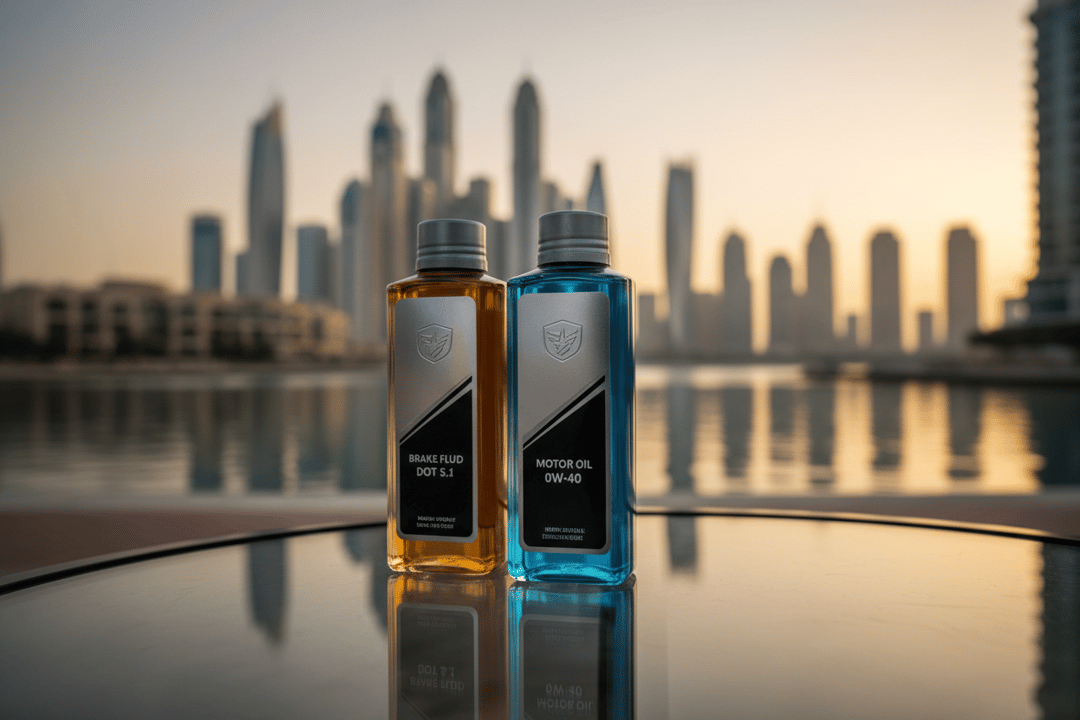
| Brake Fluid | Every 2 years | Fluid absorbs moisture, lowering the boiling point and risking brake fade. |
| Air Filter | Every higher mileage | Dust and sand clog the filter, reducing engine efficiency and air conditioning airflow. |
| Suspension & Steering | Every higher mileage | Wear and tear from heavy loads and road vibration affect handling safety. |
The Role of Comprehensive Inspection in Maintenance Planning
Understanding the maintenance schedule is only half the battle; knowing the current mechanical health of the vehicle is equally vital. A simple visual inspection is often insufficient to identify hidden faults in a minivan, especially when purchasing a used vehicle or preparing for a long journey. Identifying wear patterns early through professional assessment prevents unexpected breakdowns.
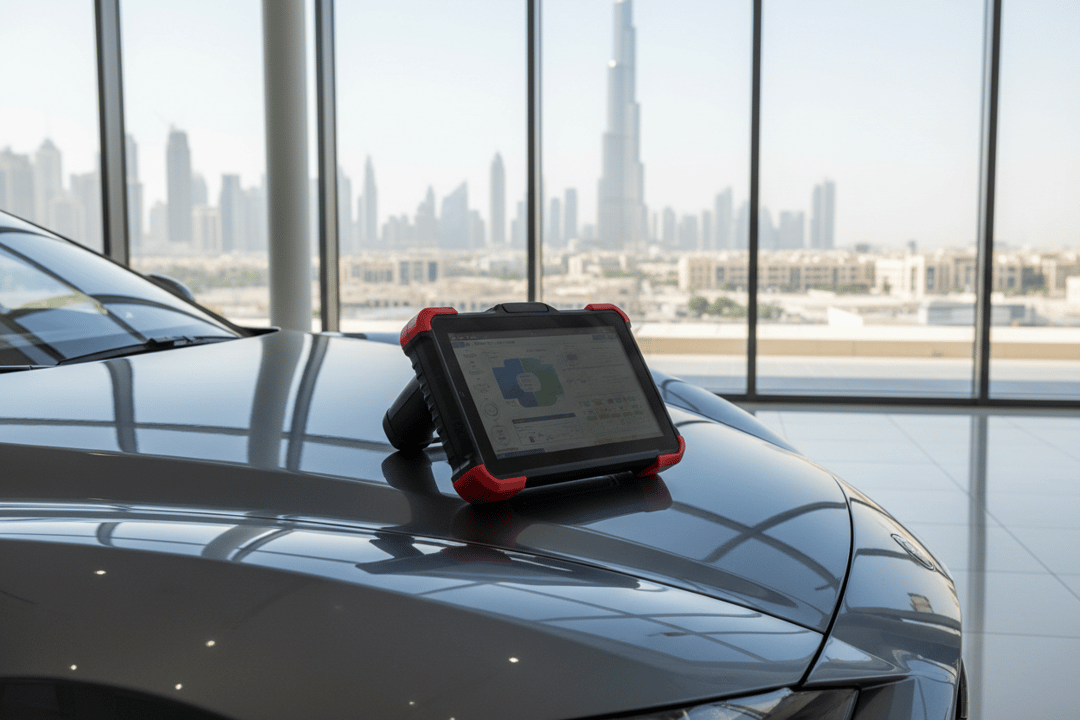
For those looking to buy or sell a minivan, a professional inspection provides an objective evaluation of the vehicle's condition. This process goes beyond a visual walk-around, utilizing computer diagnostics to read engine, transmission, ABS, and airbag codes stored in the vehicle’s computer. It also involves a detailed road test to assess acceleration, braking, noise, and vibration levels under real-world conditions.
Professional inspection services cover a wide range of categories to ensure no component is overlooked. Inspectors check the body and paint for panel-by-panel originality, assess the frame for structural integrity, and evaluate engine sound and mounts for abnormal vibrations. Fluid levels are checked for condition, not just presence, and tires are inspected for manufacturing year and wear indicators. This thorough approach ensures that every hidden issue is documented.
Services are available for all seven Emirates with a on-location inspection option, bringing the inspection directly to the customer. Packages cater to different needs, starting with a Computer Diagnostic check for AED 99, which identifies electronic faults immediately. For a general overview, the Body & Computer package is available for AED 250. For the most detailed analysis, the Comprehensive package covers 410+ checkpoints across 25 categories for AED 299.
These inspections produce HD photos and a comprehensive PDF report, giving vehicle owners and buyers the data needed to make informed decisions. Whether maintaining a daily driver or evaluating a potential purchase, professional assessment ensures that the minivan remains a safe and reliable asset in the harsh UAE climate.
AutoFay inspects 410+ checkpoints with HD photos and PDF report. Book at autofay.ae or call +971542584458


0 Comments
No comments yet. Be the first to share your thoughts!