
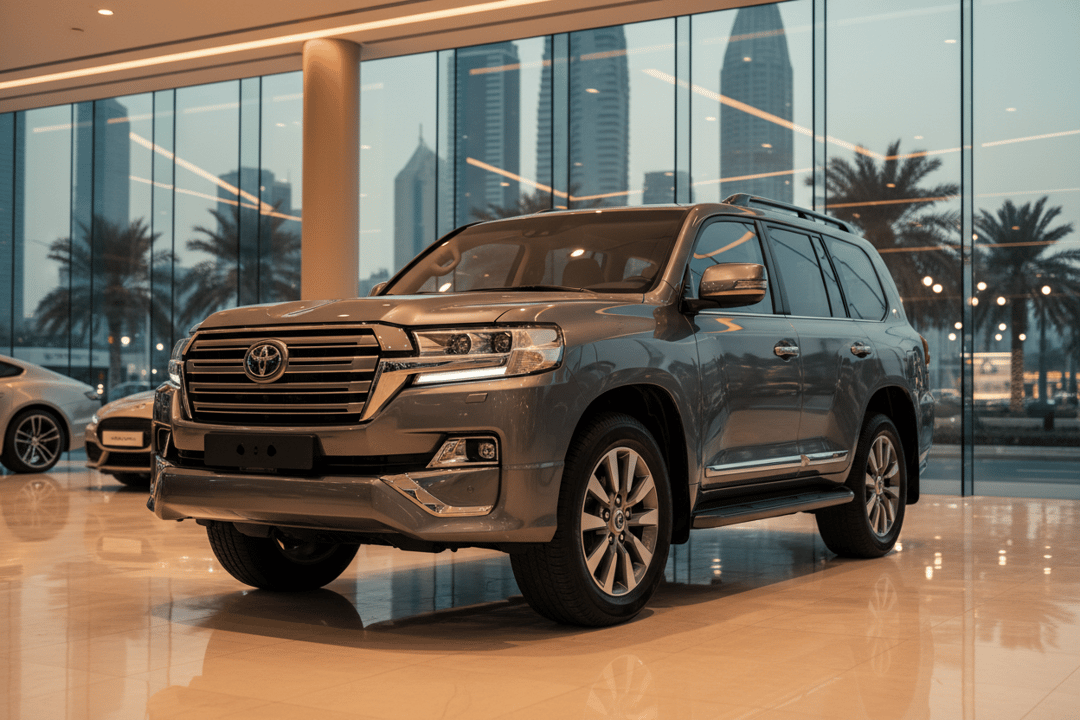
Acquiring a Lexus vehicle in the United Arab Emirates provides ownership of a vehicle engineered for performance and longevity. The manufacturer’s factory warranty serves as the primary shield against unforeseen mechanical failures. However, this protective layer is finite and subject to strict eligibility criteria. Understanding the nuances of coverage, the specific limitations applicable to luxury vehicles, and the strategic value of pre-purchase inspection is essential for maintaining this investment. Neglecting these factors can result in significant financial liability once the factory coverage expires.
Factory Warranty Mechanics in the Emirates
Lexus vehicles typically enter the market with a standard factory warranty package. In the UAE, this standard coverage usually spans three years or one hundred thousand kilometers, whichever milestone is reached first. This period covers the repair or replacement of defective parts and labor required to rectify these issues. The warranty is non-transferable in the sense that the remaining balance on the coverage period is the primary asset transferred to a subsequent owner. If the vehicle reaches the mileage limit before the duration expires, the warranty terminates regardless of the date. Conversely, if the duration expires first, the vehicle is no longer covered even if the mileage is under the limit.
The warranty is designed to protect against manufacturing defects. It does not cover components that degrade naturally through standard use, such as brake pads, tires, or fluids. Furthermore, the warranty is voided if the vehicle has been modified in any way that alters the original design or specifications. Modifications to the engine, suspension, or electronics often lead to immediate denial of coverage claims, leaving the owner responsible for the entire repair bill.
Common Exclusions and Limitations
Distinguishing between a warranty-covered defect and routine maintenance is critical. Manufacturers explicitly state that consumable items are excluded from the coverage scope. These items are subject to wear and tear and require periodic replacement based on usage. Owners often overlook these exclusions until a specific repair is denied and billed at full cost. A comprehensive understanding of these exclusions prevents unexpected out-of-pocket expenses.
- Brake Components: Brake pads, rotors, and drums are consumables. Their lifespan depends on driving style, road conditions, and load. Warranty claims for squeaking brakes or worn pads are invariably denied.
- Tires: The warranty covers the vehicle's ability to stop, not the tires themselves. Replacement is required when tread depth reaches the legal limit or if damage occurs from road hazards.
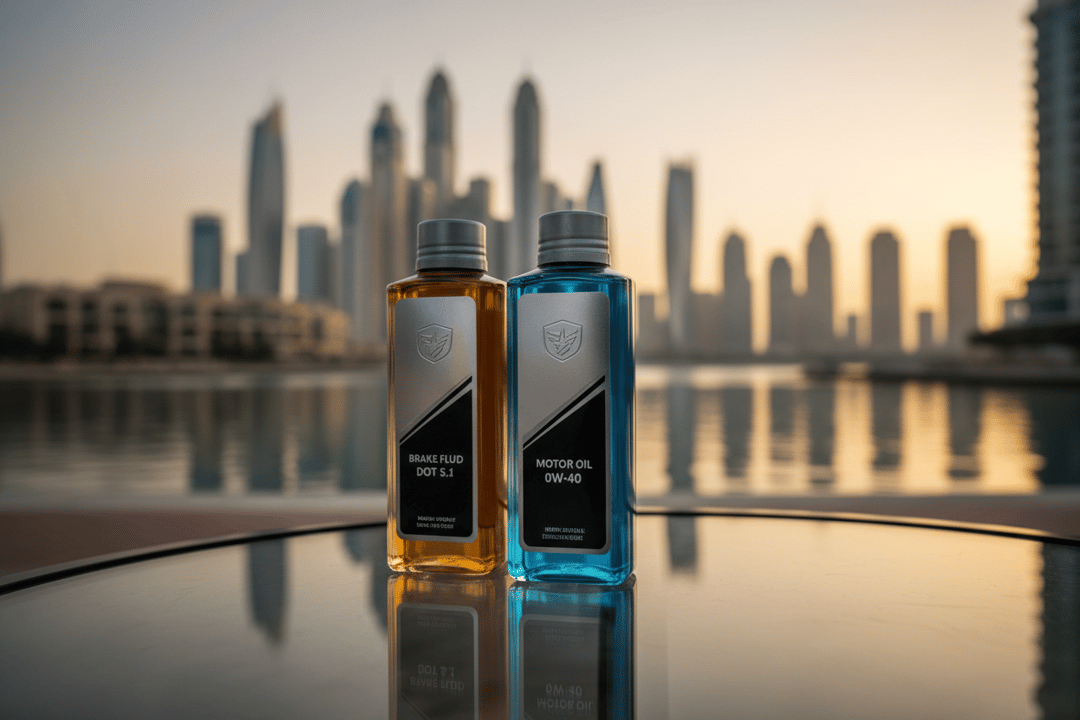
- Fluids: Engine oil, coolant, brake fluid, and transmission fluid are not repairable. They degrade over time and must be flushed and replaced as part of routine maintenance schedules.
- Wear and Tear Items: Suspension bushings, shocks, struts, and clutches fall under this category. These parts are designed to absorb impact and friction, leading to inevitable degradation.
Extended Warranty and GAP Insurance
For owners wishing to extend protection beyond the factory term, extended warranty options are available through dealerships or third-party providers. These contracts may cover wear and tear items not included in the standard warranty. However, eligibility for these extensions is contingent upon the vehicle’s condition. A vehicle with existing damage or mechanical issues may be deemed ineligible for extended coverage or subject to a higher premium. General Insurance Policy (GAP) insurance is another consideration, covering the difference between the vehicle's current value and the outstanding loan amount in the event of a total loss. This financial layer is distinct from mechanical breakdown cover and protects the owner’s equity in the asset rather than the asset itself.
The Strategic Value of Pre-Warranty Expiry Inspection
The most critical window for owner protection is the period immediately preceding the warranty’s expiration. Purchasing a pre-owned Lexus with an expiring warranty requires a definitive assessment of the vehicle's current mechanical health. A pre-purchase inspection performed before the warranty lapses serves a dual purpose: it verifies the vehicle’s condition for the new owner and ensures the warranty transfer process is transparent. If an issue is discovered during this inspection, the seller cannot claim it was a pre-existing condition that should have been addressed prior to the transfer, nor can the new owner be blindsided by a mechanical failure the moment coverage ends.
Professional Inspection Standards
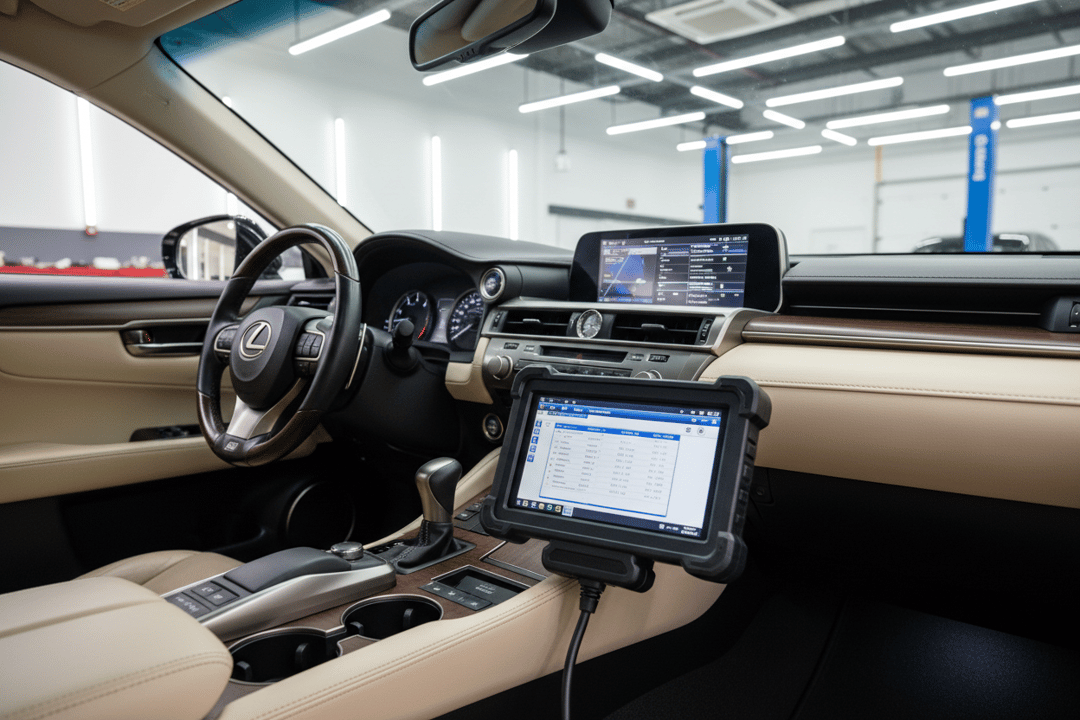
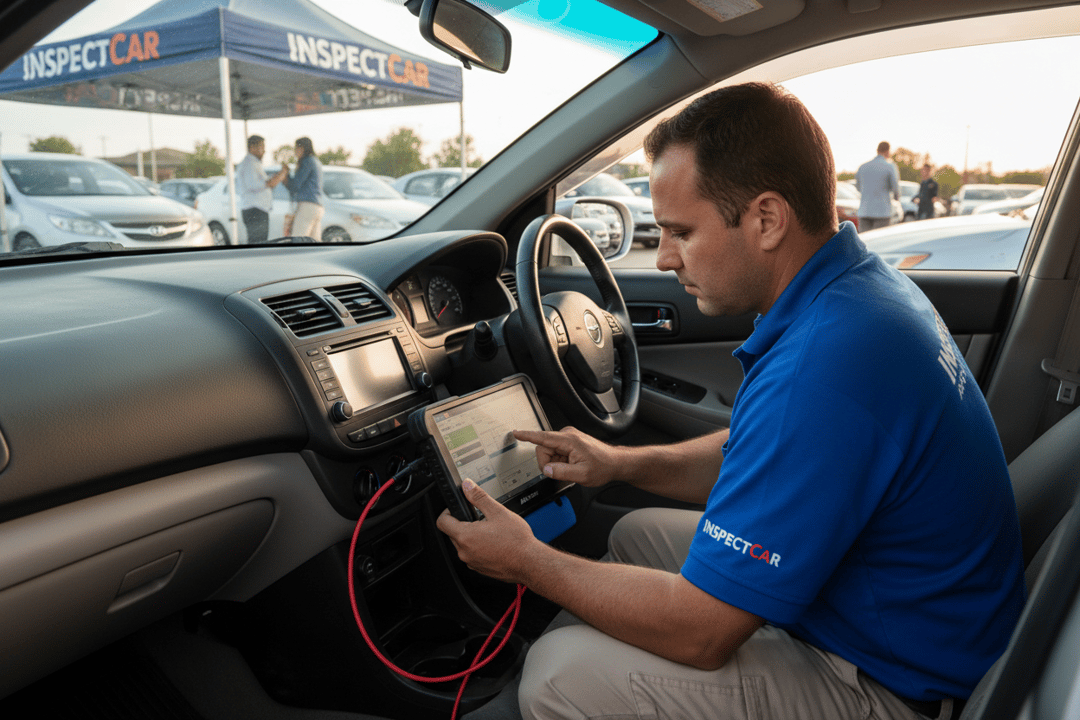
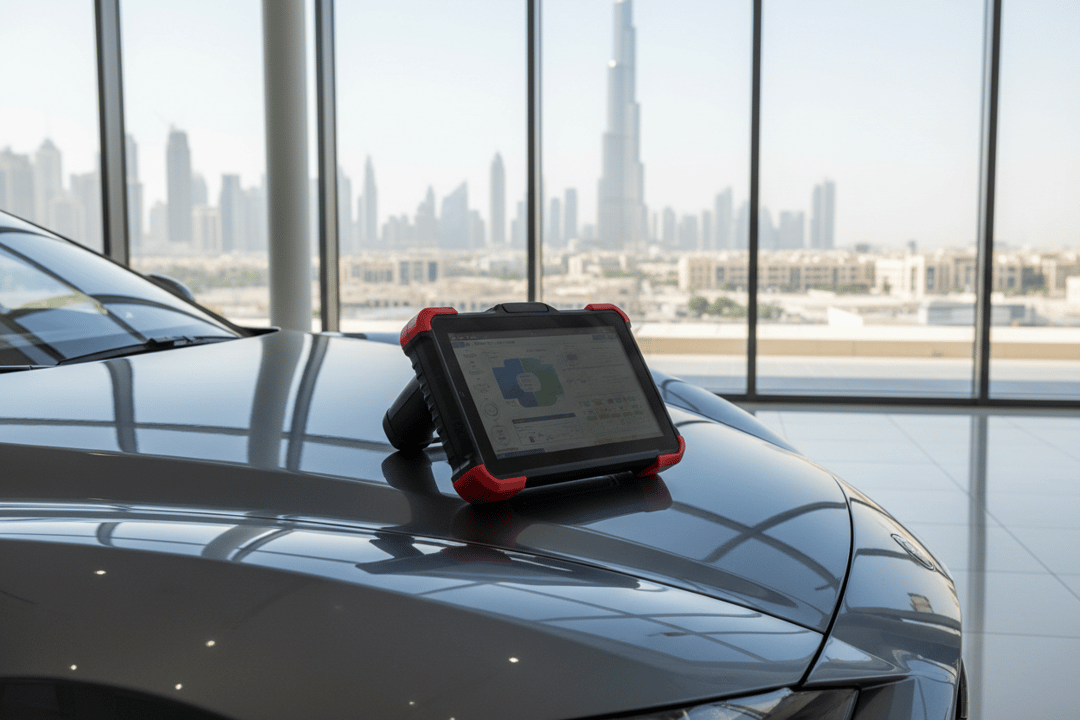
Reliance on visual inspection alone is insufficient for a luxury vehicle. A professional inspection must utilize diagnostic technology to read error codes stored in the vehicle's computer systems. These systems log malfunctions that may not be immediately apparent to the naked eye or ear. Engaging a professional inspection service ensures that all systems are documented accurately. Without a structured, professional assessment, the new owner assumes the risk of latent defects that the manufacturer would otherwise cover.
Comprehensive Inspection Packages
Professional inspection services in the UAE offer tiered packages to address specific concerns ranging from electronic diagnostics to structural integrity. Selecting the appropriate package depends on the vehicle's history and the buyer's risk tolerance. These services utilize standardized protocols to ensure consistency and accuracy.
| Inspection Package | Key Components Covered | Price |
|---|---|---|
| Computer Diagnostic | Engine codes, transmission faults, ABS warnings, airbag SRS errors, and system interconnections. | AED 99 |
| Body & Computer | Paint condition verification, panel-by-panel assessment for originality, structural integrity checks, and comprehensive electronic diagnostics. | AED 250 |
| Comprehensive | All 25 inspection categories including engine sound analysis, brake pad wear rating, suspension integrity, tire manufacturing dates, fluid levels and condition, and a full road test for acceleration, braking, noise, and vibration. | AED 299 |
Deep Dive into Inspection Categories
A robust inspection goes beyond surface-level checks. It scrutinizes the vehicle's construction and operational mechanics to identify issues that could lead to costly repairs. The following categories represent the standard of professional evaluation.
- Frame Integrity: Inspectors check the frame rails, pillars, and floor pan for any signs of accident damage, rust intrusion, or structural deformation. A compromised frame affects vehicle safety and handling.
- Engine Analysis: Technicians listen for unusual sounds that indicate bearing wear, valve train issues, or timing problems. Engine mounts are checked for excessive movement that could transmit vibration.
- Brake System Evaluation: Brake pads are rated based on remaining thickness percentage. This ensures the buyer is not immediately liable for replacement costs due to prior neglect.
- Suspension and Tires: Tires are checked for manufacturing dates to ensure they are not end-of-life stock that may fail prematurely. Suspension components are inspected for leaks in shock absorbers and play in bushings.
- Fluid Condition: Fluids are assessed for color and consistency. Dark, burnt oil or coolant indicates past overheating or internal component failure.
Proper inspection documentation provides a physical and digital record of the vehicle's state at the moment of purchase. This record serves as leverage in any future dispute regarding the vehicle's condition. The comprehensive package, priced at AED 299, provides the highest level of scrutiny, covering over 410+ checkpoints across 25 distinct categories.
AutoFay inspects 410+ checkpoints with HD photos and PDF report. Book at autofay.ae or call +971542584458
0 Comments
No comments yet. Be the first to share your thoughts!